Calorie Deficit Guide: Blueprint for Sustainable Results
Unlock the science of effective weight management. This NutriGuide cheat sheet is your essential quick-reference for mastering the calorie deficit, designed for lasting success.
Unlock the science of effective weight management. This NutriGuide cheat sheet is your essential quick-reference for mastering the calorie deficit, designed for lasting success.
Key Takeaways
- ✓Evidence-based guidance on Weight Loss for long-term health.
- ✓Evidence-based guidance on Metabolism for long-term health.
- ✓Evidence-based guidance on Energy Balance for long-term health.
- ✓Evidence-based guidance on Body Composition for long-term health.
Welcome. I'm Stewart Lucas, and I believe in empowering you through simple food and intelligent choices. Mastering the calorie deficit is indeed the cornerstone of sustainable weight management. It's not about restriction; it's about understanding your body's energy needs and fueling it thoughtfully. This guide provides clear, actionable steps to nourish yourself, achieve your wellness goals, and cultivate a truly healthy relationship with food.
Imagine feeling lighter, more energetic, and truly in control of your health journey. That vision is entirely within reach. By understanding the simple principle of energy balance, you unlock a powerful tool for lasting change. Let's build your blueprint for sustainable results together.
Calorie Deficit Guide: Blueprint for Sustainable Results
Quick Summary & Key Takeaways
- Energy Balance is Key: Consistently consume fewer calories than your body burns.
- Prioritize Whole Foods: Nutrient-dense choices foster satiety, support vital body functions, and enhance overall health.
- Consistency Outweighs Perfection: Small, mindful, sustainable changes lead to profound, lasting results.
- Hydrate & Move: Water is essential for metabolism; daily activity boosts calorie expenditure and well-being.
- Mindset Matters: Approach your journey with patience and self-compassion, focusing on progress, not perfection.
Understanding the Core of Energy Balance
Weight management boils down to a fundamental principle: energy balance. Your body uses energy for every single process, from breathing and thinking to walking and exercising. This energy comes from the food and drinks you consume.
Calorie Deficit Defined
Info A calorie deficit occurs when you consistently consume fewer calories than your body expends. When this happens, your body intelligently turns to its stored energy reserves – primarily fat – for fuel, leading to a gentle, steady reduction in body weight.
Your Baseline Needs: Total Daily Energy Expenditure (TDEE)
Before you can subtract calories, you must know your baseline. Your TDEE is the total number of calories your body burns in a 24-hour period. It's a sum of several components:
- Basal Metabolic Rate (BMR): Calories burned at rest, keeping vital organs functioning.
- Thermic Effect of Food (TEF): Calories burned digesting and absorbing food.
- Non-Exercise Activity Thermogenesis (NEAT): Calories from daily movements like fidgeting, standing, walking.
- Exercise Activity Thermogenesis (EAT): Calories burned during structured exercise.
✓ Do Calculate your TDEE using a reliable online calculator. Be simple and simple about your activity level for initial accuracy.
Pro Tip Your TDEE is an estimate. Listen to your body and adjust your intake based on actual progress and how you feel.
Building Your Sustainable Deficit
Calculating Your Target Intake
✓ Do Subtract 300-500 calories from your calculated TDEE. This creates a gentle, manageable deficit.
Pro Tip A 500-calorie daily deficit aims for roughly 1 pound of fat loss per week (since 3,500 calories equals approximately 1 pound of fat). This is a safe and proven pace.
Realistic Expectations for Lasting Change
✓ Do Aim for gradual, steady progress. A loss of 1-2 pounds per week is ideal. It allows your body to adapt, preserves muscle mass, and is far more sustainable than crash dieting.
✗ Avoid Expecting rapid, drastic weight loss. This often leads to nutrient deficiencies, energy crashes, and rebound weight gain. Patience is your ally.
Smart Food Choices for a Thriving Deficit
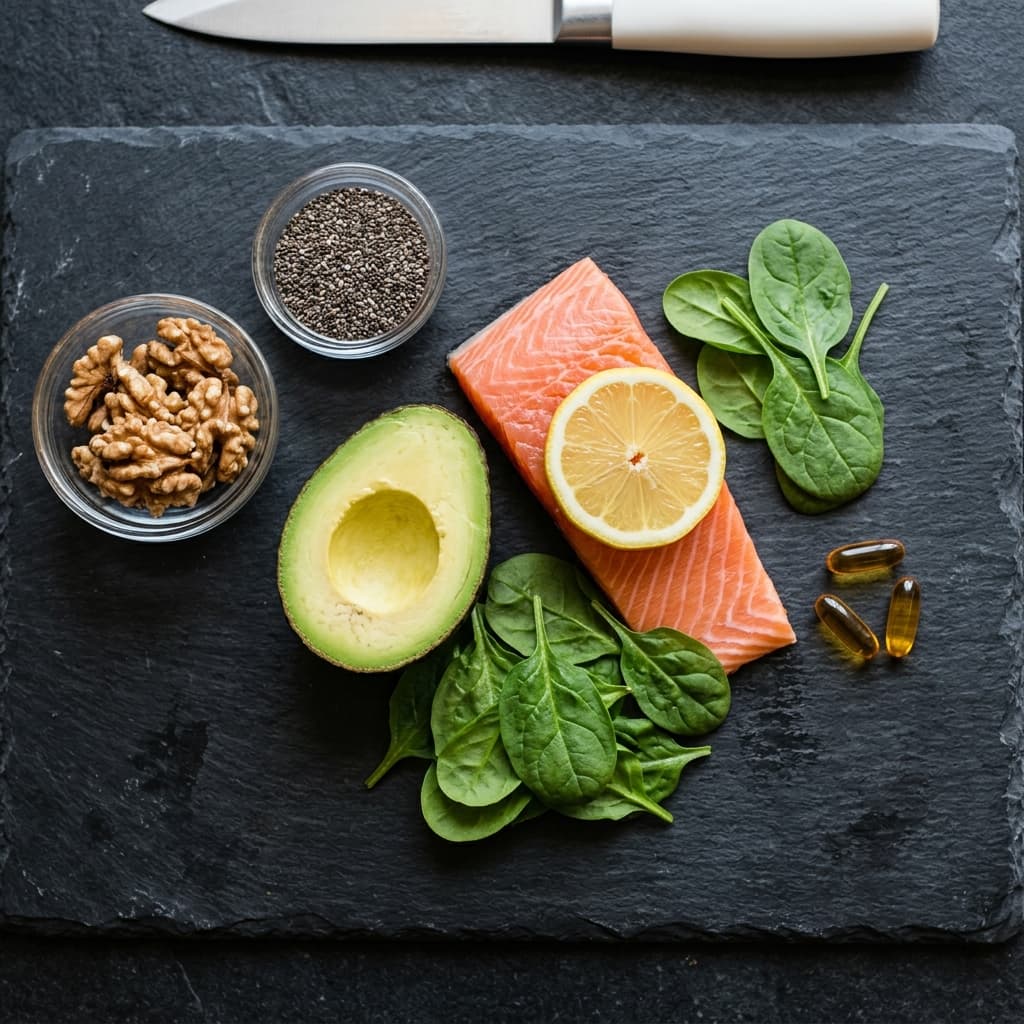
The quality of your calories matters immensely. Focus on nutrient-dense foods that offer great satisfaction and nourishment, even within a calorie limit.
Stewart's Wellness Coaching Tips: Beyond the Numbers
My role as a culinary coach extends beyond just counting calories. It’s about building a sustainable lifestyle. Here are some insights to help you thrive.
Mindful Eating & Portion Awareness
✓ Do Eat slowly, savor each bite, and truly taste your food. Pay attention to your body's hunger and fullness cues.
Pro Tip Use smaller plates to visually manage portions. Don't be afraid to leave food on your plate if you're satisfied. This isn't waste; it's self-care.
Meal Planning & Strategic Preparation
Success often begins before hunger strikes. Planning helps you make informed choices, even when time is short.
✓ Do Dedicate time each week to plan your meals and snacks. Prepare components in advance: chop vegetables, cook a batch of grains, or grill chicken breasts.
Pro Tip Batch cooking saves time and ensures healthy, portion-controlled options are always ready. Store cooked meals in airtight containers in the fridge for up to 3-4 days, or freeze for longer periods.
Beyond the Plate: A Holistic Approach
Your well-being is a symphony of interconnected habits. Nurturing other aspects of your life amplifies the benefits of a calorie deficit.
Hydration & Movement
✓ Do Drink ample water throughout the day. It supports every metabolic function, can help you feel fuller, and is often mistaken for hunger.
✓ Do Incorporate regular physical activity to boost calorie expenditure, enhance mood, and build lean muscle. Find movement you enjoy.
Pro Tip Even a daily brisk 30-minute walk contributes significantly. Small, consistent efforts yield impressive results over time.
Sleep & Stress Management
Often overlooked, these elements play a critical role in your body's ability to manage weight.
✓ Do Prioritize 7-9 hours of quality sleep. Poor sleep disrupts hormones that regulate hunger (ghrelin) and satiety (leptin).
✓ Do Find healthy ways to manage stress, such as meditation, deep breathing, or spending time in nature. Chronic stress can lead to increased cortisol, which promotes fat storage.
Common Mistakes to Thoughtfully Avoid
Being aware of common pitfalls helps you navigate your journey with greater confidence and fewer setbacks.
- Eating too little: Dropping calories too low can harm your metabolism, lead to nutrient deficiencies, muscle loss, and make adherence incredibly difficult. Your body needs fuel.
- Neglecting protein intake: Without sufficient protein, you risk losing muscle mass alongside fat, which can slow your metabolism and weaken your body.
- Underestimating liquid calories: Sugary drinks, elaborate coffees, and alcohol can add hundreds of unnoticed calories without providing any satiety.
- Inconsistent tracking: Sporadic monitoring leads to inaccurate data, making it hard to assess what's working and what needs adjustment. Consistency, even if imperfect, is vital.
- Zero physical activity: Missing out on movement not only reduces calorie expenditure but also impacts mood, energy levels, and overall physical health.
- Ignoring hunger cues completely: While a deficit means some hunger, extreme, constant hunger is a sign your deficit might be too aggressive or your food choices aren't satiating enough.
Personalizing Your Deficit: Dietary Adaptations
Your unique dietary preferences and needs can absolutely align with a calorie deficit. It's about smart substitutions and thoughtful planning.
- Vegetarian/Vegan: Focus on plant-based proteins like lentils, beans, tofu, tempeh, seitan, quinoa, and protein powders. Ensure adequate intake of nutrient-dense vegetables and healthy fats.
- Low-Carbohydrate: Emphasize lean proteins, non-starchy vegetables (leafy greens, cruciferous vegetables), healthy fats (avocado, olive oil, nuts, seeds), and limit grains, sugary fruits, and starchy vegetables.
- Gluten-Free: Naturally select whole, unprocessed foods. Opt for gluten-free grains like quinoa, brown rice, oats (certified GF), and buckwheat. Prioritize protein and vegetables.
The principles remain constant: choose whole foods, control portions, and maintain your calculated calorie target.
Embracing a calorie deficit is a journey of self-discovery and empowerment. It's about nourishing your body wisely, moving with intention, and fostering a positive relationship with food. You have the tools; now, embark on your path to lasting wellness with confidence and clarity. I'm here to support you.
Frequently Asked Questions
How much of a calorie deficit do I need for weight loss?▼
A deficit of 300-500 calories per day is generally recommended. This supports a sustainable loss of 1-2 pounds per week, prioritizing fat loss over muscle loss.
Is a calorie deficit healthy for everyone?▼
Most healthy adults can safely implement a calorie deficit. However, pregnant or breastfeeding individuals, those with a history of eating disorders, or those with underlying medical conditions should always consult a doctor or registered dietitian before making significant dietary changes.
What foods are best for a calorie deficit?▼
Focus on whole, unprocessed foods that are high in protein and fiber. Think lean proteins (chicken, fish, legumes), non-starchy vegetables (leafy greens, broccoli), fruits, and complex carbohydrates (oats, sweet potatoes). These provide essential nutrients and maximize satiety with fewer calories.
How long should I stay in a calorie deficit?▼
Maintain the deficit until you safely reach your goal weight. For long-term success, it's often beneficial to cycle periods of deficit with maintenance phases. This prevents metabolic adaptation and gives your body a chance to recover and stabilize.
Can I lose weight without strictly counting calories?▼
Yes, absolutely. While calorie tracking provides precision, many individuals successfully achieve a deficit by focusing intently on whole, unprocessed foods, practicing mindful eating, controlling portion sizes visually, and tuning into their body's hunger signals. It requires strong attention to food quality and awareness.
What should I do if I hit a weight loss plateau?▼
Plateaus are common. First, re-evaluate your calorie intake and activity levels for accuracy. Small adjustments, like slightly increasing activity or marginally reducing calories (if safe), can help. Sometimes, a 'diet break' (a short period at maintenance calories) can also help reset your metabolism and psychological motivation before resuming your deficit.
Get the Full Guide
Download the complete PDF version including grocery lists and meal prep instructions for easy printing and offline reading.
Get the Free PDF
Instant download. No spam ever.
No spam. Unsubscribe anytime.

Stewart Lucas
Nutritionist & Recipe DeveloperStewart Lucas is a nutritionist and recipe developer representing the NutriGuide team. All articles, dietary guidelines, and meal plans published on this site are designed and audited by certified dietitians and clinical nutrition professionals to guarantee absolute accuracy.
Explore More



Community Reviews
Please log in to leave a review.