Master Your Plate: Anti-Inflammatory Eating Guide
This essential guide unlocks the power of anti-inflammatory foods. Bookmark this page for a lifetime of vibrant health and culinary inspiration.
This essential guide unlocks the power of anti-inflammatory foods. Bookmark this page for a lifetime of vibrant health and culinary inspiration.
Key Takeaways
- ✓Evidence-based guidance on Anti-Inflammatory for long-term health.
- ✓Evidence-based guidance on Heart Healthy for long-term health.
- ✓Evidence-based guidance on Salmon for long-term health.
- ✓Evidence-based guidance on Turmeric for long-term health.
Master Your Plate: Anti-Inflammatory Eating Guide
- Focus on whole, unprocessed ingredients that provide steady energy.
- Prioritize deep-pigmented produce for maximum antioxidant density.
- Healthy fats are essential for calming the body’s inflammatory pathways.
- Consistency over perfection: small, daily swaps build long-term vitality.
I remember standing in my kitchen years ago, feeling that persistent, low-grade fog—a heavy, sluggish sensation that caffeine couldn't touch. That was my wake-up call. I realized my diet had become a cycle of convenience rather than fuel. When I shifted my focus toward anti-inflammatory eating, the change wasn't overnight, but the clarity I regained was unmistakable. It wasn't about restriction; it was about color, texture, and the raw, vibrant energy found in real food.
Cooking isn't just about utility. It is about the sharp, earthy scent of freshly grated turmeric hitting a warm pan. It is about the satisfying crunch of a snap pea or the way a fillet of wild-caught salmon flakes under your fork. When you build a plate with anti-inflammatory intentions, you aren't just counting nutrients—you are honoring your body's need for recovery.
Understanding Inflammation
At its core, inflammation is a protective mechanism. If you cut your finger, your body rushes blood and cells to the site to heal it. That is acute inflammation, and it is a good thing. The problem arises when this system stays switched "on" without a clear threat. This is chronic, low-grade inflammation. It can be caused by constant stress, environmental factors, and, crucially, the food we put on our plates every day.
The Nutritional Science
Think of your plate as a biochemical regulator. Ingredients like omega-3 fatty acids found in oily fish actually inhibit the production of substances that trigger inflammation. Meanwhile, polyphenols in colorful berries and dark leafy greens act as "scavengers," neutralizing free radicals before they can damage your cells. When you combine high-fiber plants with healthy monounsaturated fats, you stabilize blood sugar, which prevents the insulin spikes that often act as a catalyst for systemic inflammation.
The Foundation: What to Prioritize
Building an anti-inflammatory kitchen starts with selecting ingredients that work for you, not against you. Focus on these pillars:
- The Rainbow Produce: Aim for deep, dark colors. Blueberries, blackberries, kale, and spinach are non-negotiables.
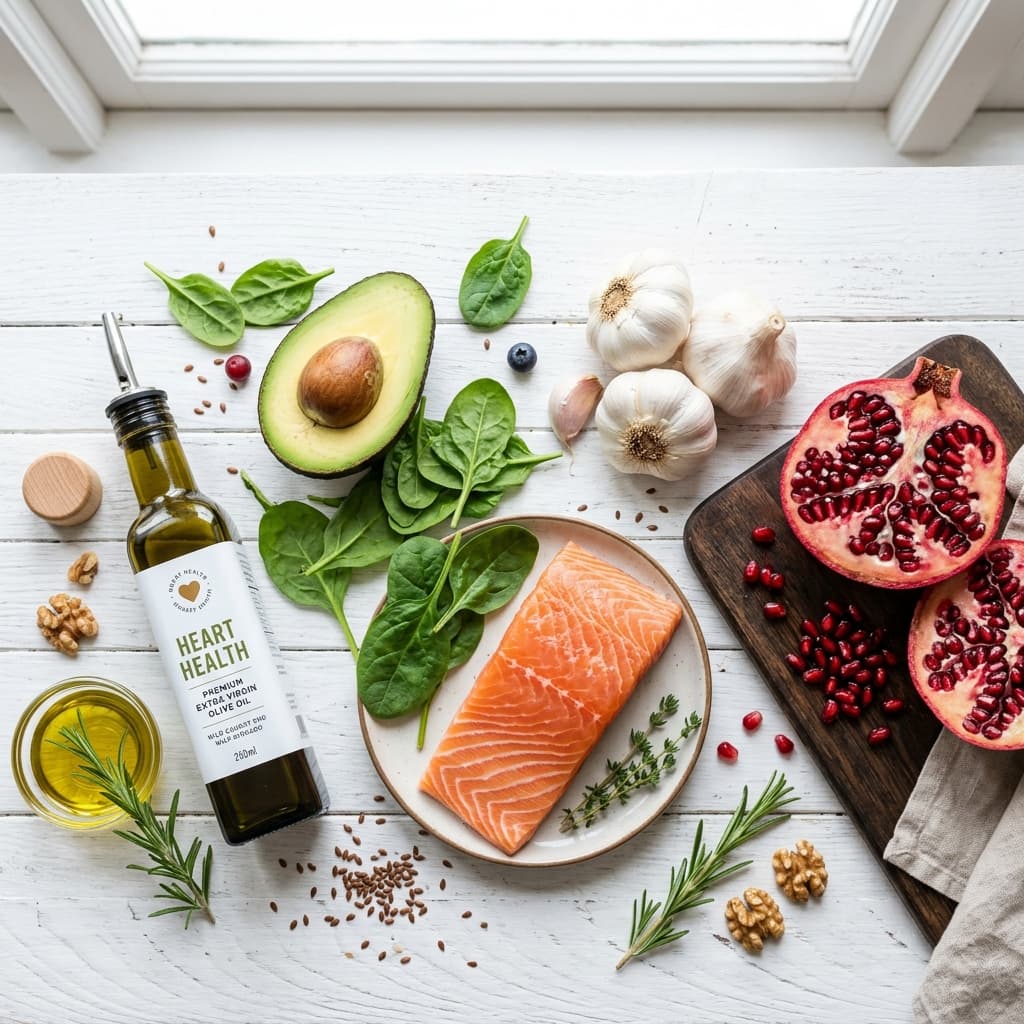
- Healthy Fats: Extra virgin olive oil is my go-to. It contains oleocanthal, which has a similar effect to anti-inflammatory drugs.
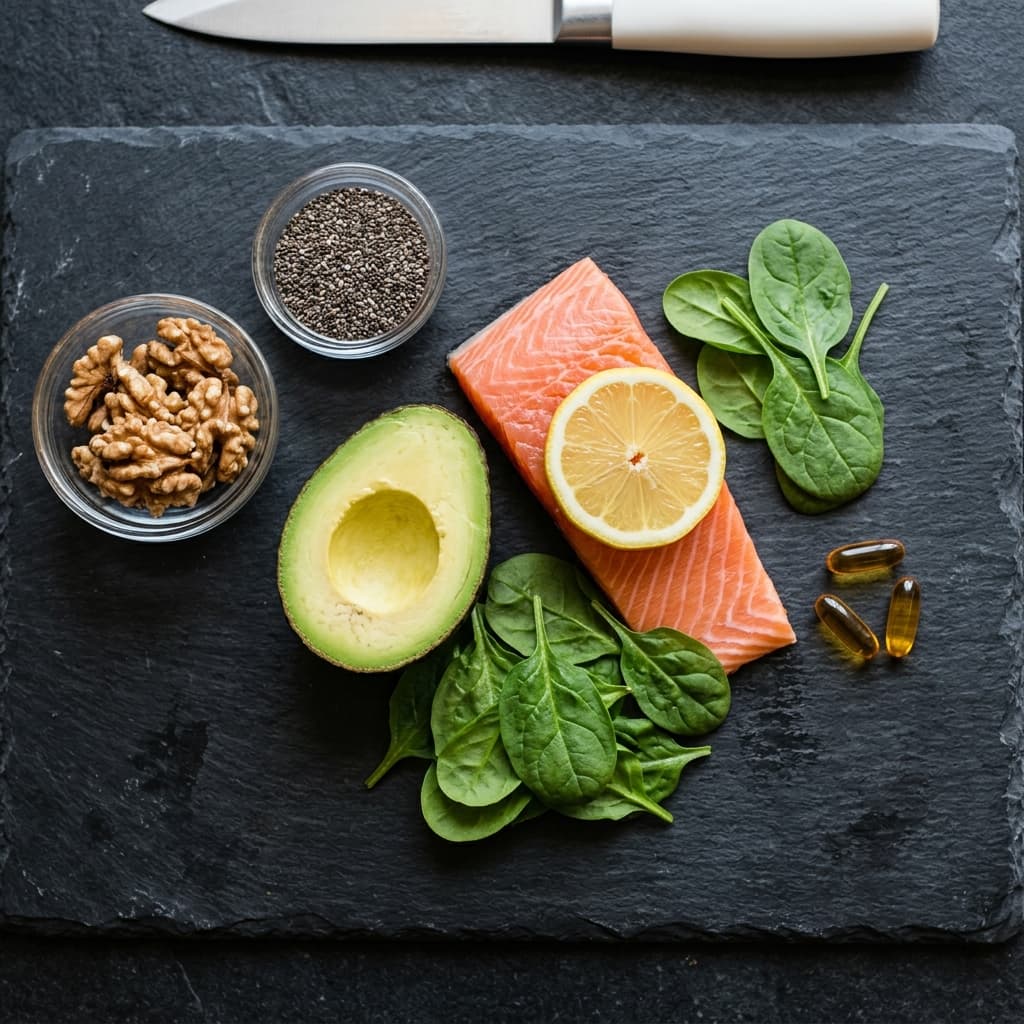
- Proteins that Heal: Wild-caught salmon and sardines are gold standards. They are rich in EPA and DHA, the most potent omega-3s.
- The Spice Cabinet: Turmeric combined with black pepper (to increase absorption) is a powerhouse pairing. Ginger and garlic add zest without the inflammatory overhead of heavy sauces.
Foods to Limit
We want to minimize the "noise" that triggers an immune response. This means moving away from heavily processed, shelf-stable items.
| Category | Swap With |
|---|---|
| Refined Sugars | Fresh fruit or cinnamon |
| Seed Oils (Soy/Corn) | Olive, Avocado, or Coconut oil |
| Processed Meats | Lentils, beans, or wild fish |
Meal Prep & Storage
Consistency is your best friend. I spend Sunday afternoons prepping a few "base" components. Roasting a sheet pan of root vegetables (sweet potatoes, carrots, beets) with olive oil and rosemary allows me to assemble a nutrient-dense lunch in minutes. Store these in glass containers—they keep their texture far better than plastic. When reheating, I prefer the oven or a skillet over the microwave; it preserves the integrity of the fats and keeps your veggies from turning into mush.
Flavor Variations
Healthy eating can get monotonous if you don't play with flavor. Try these variations:
- The Mediterranean Twist: Toss your roasted veggies with fresh oregano, lemon zest, and toasted walnuts for a vibrant crunch.
- The Umami Shift: Add a splash of coconut aminos (instead of soy sauce) to your lentils for a savory, salty kick without the processed additives.
- The Vegan Boost: Replace fish with tempeh, marinated in ginger and garlic. It offers a firm texture and probiotics to support your gut-brain axis.
Frequently Asked Questions
Does an anti-inflammatory diet help with daily energy levels?▼
Absolutely. By removing blood sugar spikes caused by refined carbs, you create a steady fuel supply. Many of my clients report losing that "afternoon slump" within just one week of cleaning up their plate.
How long before I see results?▼
Bodies vary, but internal chemistry shifts relatively quickly. You might notice better digestion and reduced bloating in 3-5 days. Deeper shifts in skin clarity or joint comfort typically show up after about 3-4 weeks of consistency.
Are nightshade vegetables really inflammatory?▼
Only for a very small percentage of the population. For most people, potatoes, tomatoes, and peppers are rich in nutrients. If you suspect an issue, try an elimination protocol for 14 days and reintroduce them one by one to see how you feel.
Can I eat out while following this lifestyle?▼
Yes. Look for "simple" preparation styles: grilled, steamed, or roasted. Ask for dressing on the side and opt for olive oil and vinegar rather than creamy, processed house dressings. Be your own advocate in the kitchen.
Get the Full Guide
Download the complete PDF version including grocery lists and meal prep instructions for easy printing and offline reading.
Get the Free PDF
Instant download. No spam ever.
No spam. Unsubscribe anytime.

Stewart Lucas
Nutritionist & Recipe DeveloperStewart Lucas is a nutritionist and recipe developer representing the NutriGuide team. All articles, dietary guidelines, and meal plans published on this site are designed and audited by certified dietitians and clinical nutrition professionals to guarantee absolute accuracy.
Explore More


Community Reviews
Please log in to leave a review.