7-Day Body Recomposition Plan: Lose Fat While Gaining Muscle
This 7-Day Body Recomposition Plan: Lose Fat While Gaining Muscle is a structured 7-day nutritional program optimized for Muscle Maintenance, Anti-Inflammatory, non-veg, breakfast, lunch. Formulated by certified nutritionist Stewart Lucas, this program organizes your daily breakfast, lunch, and dinner to support your wellness goals.
This 7-Day Body Recomposition Plan: Lose Fat While Gaining Muscle is a structured 7-day nutritional program optimized for Muscle Maintenance, Anti-Inflammatory, non-veg, breakfast, lunch. Formulated by certified nutritionist Stewart Lucas, this program organizes your daily breakfast, lunch, and dinner to support your wellness goals.
Key Takeaways
- ✓Evidence-based guidance on Muscle Maintenance for long-term health.
- ✓Evidence-based guidance on Anti-Inflammatory for long-term health.
- ✓Evidence-based guidance on non-veg for long-term health.
- ✓Evidence-based guidance on breakfast for long-term health.
This 7-Day Body Recomposition Plan: Lose Fat While Gaining Muscle is a structured 7-day nutritional program optimized for Muscle Maintenance, Anti-Inflammatory, non-veg, breakfast, lunch. Formulated by certified nutritionist Stewart Lucas, this program organizes your daily breakfast, lunch, and dinner to support your wellness goals.
7-Day Body Recomposition Plan: Lose Fat While Gaining Muscle
- Focus on high-quality protein to support muscle protein synthesis.
- Utilize nutrient timing to fuel your workouts and optimize recovery.
- Prioritize whole, unprocessed foods to naturally reduce systemic inflammation.
- Shift your perspective from "weight loss" to "body composition" for long-term health.
The Philosophy of Recomposition
I have spent years in kitchens and consulting rooms, and if there is one thing I’ve learned, it’s that your body isn't a calculator—it’s a furnace. Many people make the mistake of starving themselves to drop a number on the scale, only to lose the very muscle they need to look toned and healthy. Body recomposition is different. It is the art of teaching your body to prioritize fat stores for energy while using high-quality protein to repair and build lean muscle tissue.
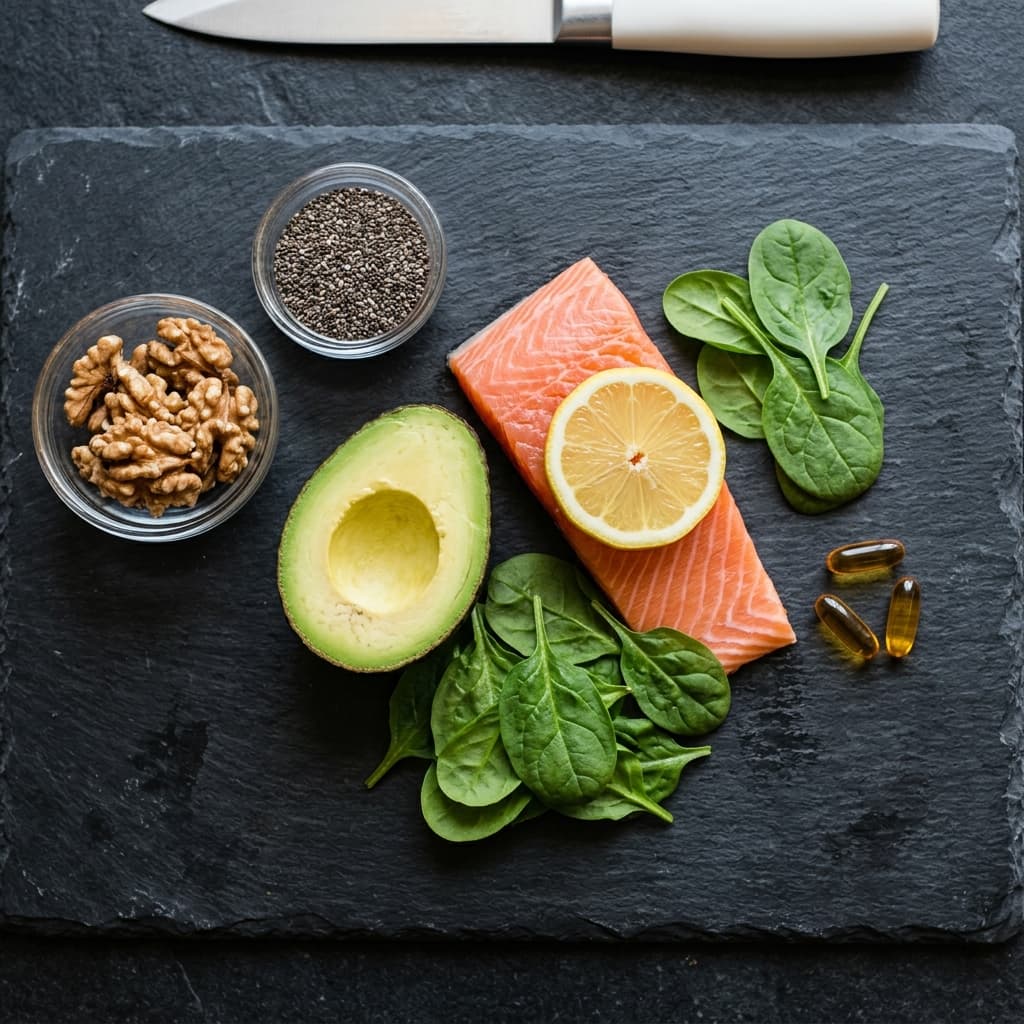
When you start this seven-day plan, don't focus on the "less" aspect. Focus on the "better." Imagine the sizzle of a wild-caught salmon fillet hitting a hot, cast-iron skillet. Think about the crisp, earthy crunch of fresh spinach tossed in a bright, zesty vinaigrette. We aren't cutting out joy; we are curating your fuel to ensure that every bite works as hard as you do in the gym.
The Nutritional Science
Recomposition relies on nutrient partitioning. By centering your intake around lean proteins and fibrous, complex carbohydrates, you keep your insulin levels steady. Stable insulin prevents the "storage mode" that leads to body fat accumulation. When you pair this with resistance training, your body stops looking for energy from your hard-earned muscle and instead taps into stored adipose tissue. It’s a clean, efficient shift that changes your silhouette over time.
7-Day Meal Schedule
| Day | Breakfast | Lunch | Dinner | Snack |
|---|---|---|---|---|
| Day 1 | Steel cut oats with blueberries | Grilled chicken breast salad | Baked salmon with asparagus | Greek yogurt with almonds |
| Day 2 | Egg white veggie omelet | Quinoa and turkey bowl | Sirloin steak with broccoli | Apple slices with nut butter |
| Day 3 | Chia seed pudding with protein | Tuna salad in lettuce wraps | Herb-roasted chicken thigh | Hard boiled eggs |
| Day 4 | Smoothie with whey and spinach | Grilled shrimp with kale salad | Lean ground beef stir-fry | Walnuts and dark chocolate |
| Day 5 | Smoked salmon on rice cake | Lentil soup with chicken | Cod with roasted root veggies | Cottage cheese with berries |
| Day 6 | Scrambled eggs with spinach | Grilled chicken lettuce wraps | Bison burger (no bun) | Protein shake with water |
| Day 7 | Overnight oats with chia | Turkey breast spinach salad | Grilled white fish with greens | Raw almonds |
Stewart's Culinary Coaching Tips
- Master the Sear: When cooking chicken or lean beef, get your pan hot before adding the meat. A good sear creates a deep, savory aroma and keeps the protein juicy on the inside.
- Don't Fear the Spice: Fresh herbs, chili flakes, and citrus zest cost almost nothing in calories but add incredible depth. A squeeze of lemon on steamed asparagus transforms it from "diet food" to a gourmet side.
- Hydration as a Tool: Often, what we perceive as hunger is actually a need for water. Drink a glass of water before every meal to aid digestion and help maintain satiety.
Meal Prep & Storage Guide
The secret to staying on track during a busy week is having components ready to go. I personally dedicate two hours on Sunday for prep. I roast two large trays of vegetables—broccoli, bell peppers, and zucchini—with a splash of olive oil and coarse sea salt. They stay tender and flavorful in the fridge for four days.
For proteins, I recommend poaching or grilling in batches. Cooked chicken breast can be stored in glass containers for up to four days. If you find your greens wilting, place a dry paper towel inside the container; it wicks away excess moisture, keeping the leaves crisp and vibrant. When reheating, avoid the microwave if possible. A quick toss in a warm skillet with a teaspoon of water will bring your protein back to life without drying it out.
Avoid liquid calories like sugary coffee syrups or fruit juices, as they spike insulin without providing satiety. Steer clear of ultra-processed snacks that hide behind "healthy" labels but contain hidden hydrogenated oils. Finally, avoid late-night eating, which can disrupt your body's natural release of growth hormone during sleep—the time when your muscles actually grow.
Flavor Variations
- The Vegan Swap: Trade the chicken and salmon for extra-firm tofu, tempeh, or seitan. Ensure you are using organic sources to keep the quality high.
- The Mediterranean Twist: Swap your standard stir-fry seasonings for oregano, kalamata olives, and a touch of feta cheese to keep your palate engaged.
- The Heat Lover: Incorporate fresh jalapeños or a house-made harissa paste into your lunches. Capsaicin can provide a slight, natural metabolic boost.
Remember, this is not just about a seven-day window. This is about building a sustainable relationship with your food. Cook with intention, eat with purpose, and be patient with your progress.
Frequently Asked Questions
Can I do this diet if I am vegetarian?▼
Absolutely. You can substitute the animal proteins with tempeh, seitan, or extra-firm tofu. The key is ensuring your protein source is dense enough to meet your needs—aim for 20-30g per meal.
Will I lose muscle on 1700 calories?▼
Muscle loss typically happens when protein is low, not just when calories are in a deficit. By keeping your protein intake high—roughly 1.6g to 2g per kilogram of body weight—you signal to your body that it needs to preserve muscle tissue.
Is coffee allowed on this meal plan?▼
Black coffee and unsweetened green tea are excellent tools. They contain antioxidants and can provide a metabolic nudge. Just ensure you aren't adding heavy creams or refined sweeteners.
What if I feel too hungry during the first week?▼
Hunger is often just an adjustment period as your body shifts from burning glucose to relying on a more stable metabolic state. Increase your intake of high-fiber greens like spinach, kale, or bok choy. These add volume to your plate without significantly impacting your caloric intake.
Get the Full Guide
Download the complete PDF version including grocery lists and meal prep instructions for easy printing and offline reading.

Stewart Lucas
Nutritionist & Recipe DeveloperStewart Lucas is a nutritionist and recipe developer representing the NutriGuide team. All articles, dietary guidelines, and meal plans published on this site are designed and audited by certified dietitians and clinical nutrition professionals to guarantee absolute accuracy.
Explore More


Community Reviews
Please log in to leave a review.