7-Day Dairy-Free Anti-Inflammatory Plan: Clean & Creamy Alternatives
This 7-Day Dairy-Free Anti-Inflammatory Plan: Clean & Creamy Alternatives is a structured 7-day nutritional program optimized for Dairy-Free, Anti-Inflammatory, Gut Health, Microbiome, breakfast. Formulated by certified nutritionist Stewart Lucas, this program organizes your daily breakfast, lunch, and dinner to support your wellness goals.
This 7-Day Dairy-Free Anti-Inflammatory Plan: Clean & Creamy Alternatives is a structured 7-day nutritional program optimized for Dairy-Free, Anti-Inflammatory, Gut Health, Microbiome, breakfast. Formulated by certified nutritionist Stewart Lucas, this program organizes your daily breakfast, lunch, and dinner to support your wellness goals.
Key Takeaways
- ✓Evidence-based guidance on Dairy-Free for long-term health.
- ✓Evidence-based guidance on Anti-Inflammatory for long-term health.
- ✓Evidence-based guidance on Gut Health for long-term health.
- ✓Evidence-based guidance on Microbiome for long-term health.
This 7-Day Dairy-Free Anti-Inflammatory Plan: Clean & Creamy Alternatives is a structured 7-day nutritional program optimized for Dairy-Free, Anti-Inflammatory, Gut Health, Microbiome, breakfast. Formulated by certified nutritionist Stewart Lucas, this program organizes your daily breakfast, lunch, and dinner to support your wellness goals.
7-Day Dairy-Free Anti-Inflammatory Plan: Clean & Creamy Alternatives
- Significant reduction in systemic bloating through the elimination of dairy-derived casein and lactose.
- Optimized blood sugar stability via high-fiber, anti-inflammatory plant fats.
- Enhanced mental clarity achieved by removing common inflammatory triggers from your daily routine.
A Fresh Start for Your Digestive System
There is something deeply grounding about pressing the reset button on your kitchen habits. For years, I have seen clients struggle with that persistent, heavy fog—that mid-afternoon slump or the lingering discomfort after a meal that just doesn't sit right. Often, the culprit hiding in plain sight is dairy. While we grow up thinking it’s a dietary necessity, many of us find that our bodies simply weren't designed to process these proteins and sugars effectively.
This 7-day protocol isn’t about restriction or "dieting" in the way we usually think of it. It’s an invitation to rediscover the vibrant flavors of real food. When you sear a piece of salmon, you aren't just cooking; you’re engaging with the natural oils and aromatics that define a clean, anti-inflammatory lifestyle. We’re moving away from heavy cream-based sauces and toward the richness of emulsified tahini, the buttery finish of a ripe avocado, and the brightness of fresh lemon zest. By the end of this week, I want you to feel the difference in your digestion, your skin, and your energy levels.
The Science of Anti-Inflammatory Eating
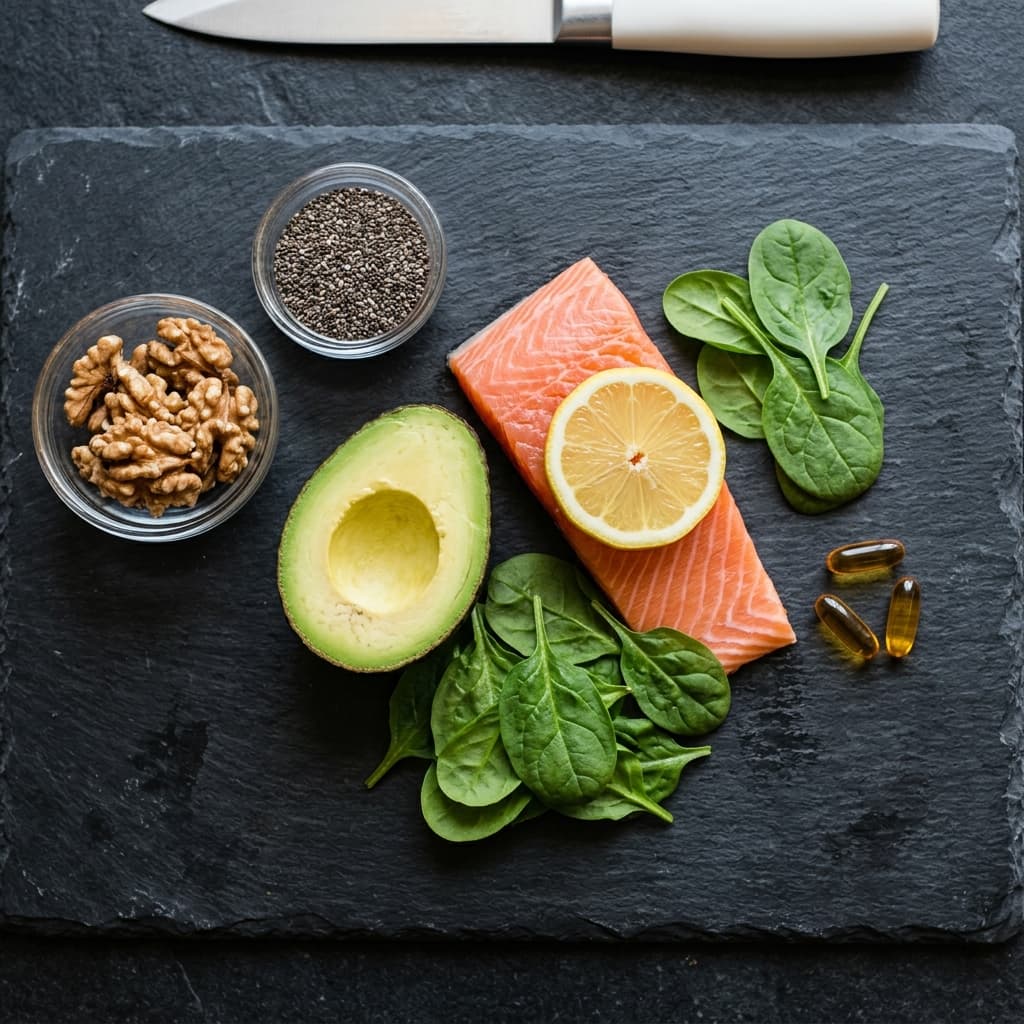
Inflammation is the body’s natural response to stress, but chronic, low-grade inflammation often stems from dietary triggers. By removing dairy—which contains proteins like casein that can be highly inflammatory for many individuals—we allow the gut lining a chance to repair. We replace those calories with omega-3 fatty acids found in wild-caught salmon and walnuts, which help stabilize cellular health, and fiber-rich plants that keep your microbiome thriving. This isn't just about what you cut out; it's about the nutrient-dense fuel you are bringing in.
The 7-Day Protocol
| Day | Breakfast | Lunch | Dinner | Snack |
|---|---|---|---|---|
| Day 1 | Chia berry bowl w/ almond milk | Quinoa kale salad, lemon tahini | Herb-crusted salmon, asparagus | Handful of almonds |
| Day 2 | Avocado mash on sourdough | Lentil soup with turmeric | Roasted chicken, wild rice | Crisp apple slices |
| Day 3 | Coconut yogurt, hemp seeds | Grilled chicken lettuce wraps | Sweet potato chickpea curry | Walnuts |
| Day 4 | Spinach-cashew smoothie | Roasted veg bowl, tahini | Pan-seared cod, bok choy | Fresh carrot sticks |
| Day 5 | Scrambled tofu w/ turmeric | Chickpea-cucumber salad | Turkey meatballs, zucchini noodles | Pumpkin seeds |
| Day 6 | Buckwheat porridge, berries | Leftover turkey meatballs | Baked trout, roasted roots | Pear slices |
| Day 7 | Chia pudding with mango | Mediterranean quinoa bowl | Roasted salmon with broccoli | Mixed berries |
Stewart's Culinary Coaching Tips
Texture is everything when you aren't using dairy. To get that 'creamy' mouthfeel, use a high-speed blender for your dressings. When you whip tahini with lemon juice and a splash of warm water, it transforms into a velvety sauce that rivals any store-bought ranch. Also, don't fear the sear! When you cook your salmon or chicken, ensure the pan is hot enough before the protein hits it. You want that audible sizzle. That sound represents the Maillard reaction, where natural sugars and proteins brown, creating deep, complex flavors that make you forget you ever needed cheese or cream.
Meal Prep & Storage
To succeed, you must be prepared. Spend Sunday afternoon roasting a large sheet pan of seasonal root vegetables—carrots, parsnips, and sweet potatoes—drizzled with olive oil and coarse sea salt. Store these in glass containers; they will hold their shape and flavor for 4-5 days. Cook a double batch of quinoa or wild rice, as these grains are the perfect canvas for your lunch bowls. If you find your roasted vegetables losing their luster after a few days, a quick 3-minute tumble in a hot skillet with a splash of fresh olive oil will bring them right back to life.
What to Avoid
- Dairy: All cow’s milk, butter, cheese, and yogurt products.
- Refined Sugars: If you need a touch of sweetness, use a tiny bit of raw honey or a date.
- Processed meats: Bacon, sausage, or deli meats often hide additives that trigger inflammation.
- Refined Oils: Avoid soybean, canola, and corn oils; stick to cold-pressed olive or avocado oil.
Flavor Variations & Swaps
- Protein Swaps: If you aren't a fan of fish, lean turkey or organic tempeh are excellent substitutes that still provide that satisfying, savory bite.
- Low-Carb Twist: Swap out the wild rice or quinoa for cauliflower rice or extra leafy greens.
- The Umami Hack: Missing the funk of parmesan? Sprinkle toasted, ground sunflower seeds mixed with a pinch of nutritional yeast over your salads. It adds a nutty, savory punch that is truly addictive.
Remember, this process is about listening to your own biology. Cooking should be an act of kindness toward yourself. Keep your pantry stocked with staples, your produce fresh, and your mindset flexible. You are in the driver's seat of your wellness journey.
Frequently Asked Questions
Can I do this diet if I am vegetarian?▼
Absolutely. Simply swap the salmon, chicken, and turkey for protein-dense plant sources like tempeh, extra-firm tofu, or sprouted lentils. These options work beautifully with the same herbs and dressings used in this plan.
Is almond milk the only option?▼
Not at all. You can use any nut milk, oat milk, or even coconut milk. The most important thing is to check the label for 'hidden' additives like carrageenan or sunflower oil, which can be inflammatory. Look for brands with only two ingredients: water and nuts/seeds.
Why do I feel hungry during the first few days?▼
When you cut out dairy, you might also be inadvertently dropping calories. Make sure you are being generous with your healthy fats. A half-avocado or a tablespoon of pumpkin seeds with your snacks will keep your blood sugar steady and those hunger pangs at bay.
What if I crave dairy after the week is up?▼
It is perfectly normal! After the seven days, reintroduce high-quality fermented dairy like Greek yogurt or aged, raw cheeses in small amounts. Observe how your body feels. If the bloating returns, your body is giving you a clear signal that it prefers these cleaner, plant-based alternatives.
Get the Full Guide
Download the complete PDF version including grocery lists and meal prep instructions for easy printing and offline reading.

Stewart Lucas
Nutritionist & Recipe DeveloperStewart Lucas is a nutritionist and recipe developer representing the NutriGuide team. All articles, dietary guidelines, and meal plans published on this site are designed and audited by certified dietitians and clinical nutrition professionals to guarantee absolute accuracy.
Explore More


Community Reviews
Please log in to leave a review.