7-Day Heart-Healthy Low Sodium Reset: a great Path to Vitality
This 7-Day Heart-Healthy Low Sodium Reset: a great Path to Vitality is a structured 7-day nutritional program optimized for Heart Healthy, Anti-Inflammatory, Low Sodium, Blood Pressure Management, Metabolic Health. Formulated by certified nutritionist Stewart Lucas, this program organizes your daily breakfast, lunch, and dinner to support your wellness goals.
This 7-Day Heart-Healthy Low Sodium Reset: a great Path to Vitality is a structured 7-day nutritional program optimized for Heart Healthy, Anti-Inflammatory, Low Sodium, Blood Pressure Management, Metabolic Health. Formulated by certified nutritionist Stewart Lucas, this program organizes your daily breakfast, lunch, and dinner to support your wellness goals.
Key Takeaways
- ✓Evidence-based guidance on Heart Healthy for long-term health.
- ✓Evidence-based guidance on Anti-Inflammatory for long-term health.
- ✓Evidence-based guidance on Low Sodium for long-term health.
- ✓Evidence-based guidance on Blood Pressure Management for long-term health.
This 7-Day Heart-Healthy Low Sodium Reset: a great Path to Vitality is a structured 7-day nutritional program optimized for Heart Healthy, Anti-Inflammatory, Low Sodium, Blood Pressure Management, Metabolic Health. Formulated by certified nutritionist Stewart Lucas, this program organizes your daily breakfast, lunch, and dinner to support your wellness goals.
Key Takeaways from Your Heart-Healthy Reset:
- Holistic Inflammation Reduction: Embrace vibrant, authentic whole foods to calm systemic inflammation and nurture your body from within.
- Natural Blood Pressure Support: Discover the power of targeted potassium and magnesium intake for gentle, effective blood pressure regulation.
- Metabolic Revitalization: Shed the burden of processed sodium, enhancing your body's natural metabolic efficiency and shedding excess water weight.
- A Palate Reawakened: Experience how fresh herbs, spices, and natural ingredients bring true flavor to life, shifting your taste preferences for good.
7-Day Heart-Healthy Low Sodium Reset: A Path to Vitality
Hello there! I'm Stewart Lucas, your culinary coach and nutritionist at NutriGuide. It's a genuine pleasure to guide you on a transformative journey this week. I've poured my passion for wholesome food and well-being into crafting this 7-day Heart-Healthy Low Sodium Reset. Think of it not as a diet, but as a vibrant reintroduction to what truly nourishing food tastes and feels like.
For too long, our modern diets have quietly burdened our hearts with excess sodium, often hidden in the convenience foods we reach for daily. This plan is designed to gently, yet powerfully, reverse that trend. Over the next seven days, we'll strip away the unnecessary, allowing your palate to reawaken to the true, deep flavors of nature's bounty. You'll move beyond the salty veil and discover how incredible food can taste when seasoned with fresh herbs, citrus, and a sprinkle of care.
Expect to emerge on Day 7 feeling not just lighter, but truly energized, with a clearer mind and a profound sense of inner well-being. This isn't about deprivation; it's about abundance – an abundance of flavor, nutrients, and vitality. Let's cook with intention, nourish our bodies with love, and reset for a healthier, heart-strong future.
The Science Behind the Reset
Understanding Sodium, Potassium, and Magnesium
At the heart of this plan lies a carefully calibrated approach to minerals. Nutritional science shows us that by strictly limiting sodium intake – typically below 2,000mg daily – while significantly boosting potassium and magnesium-rich whole foods, we kickstart your body's natural processes. Here's how it works:
- Sodium Reduction: Excess sodium draws water into your blood vessels, increasing blood volume and pressure. By cutting back, your kidneys work more efficiently to excrete this excess, easing the load on your heart.
- Potassium Power: Often called sodium's counterpart, potassium helps balance fluid levels, relaxing blood vessel walls, and directly contributing to lower blood pressure. Think of it as a gentle vasodilator, helping things flow smoothly. Foods like spinach, sweet potatoes, and bananas are potassium champions.
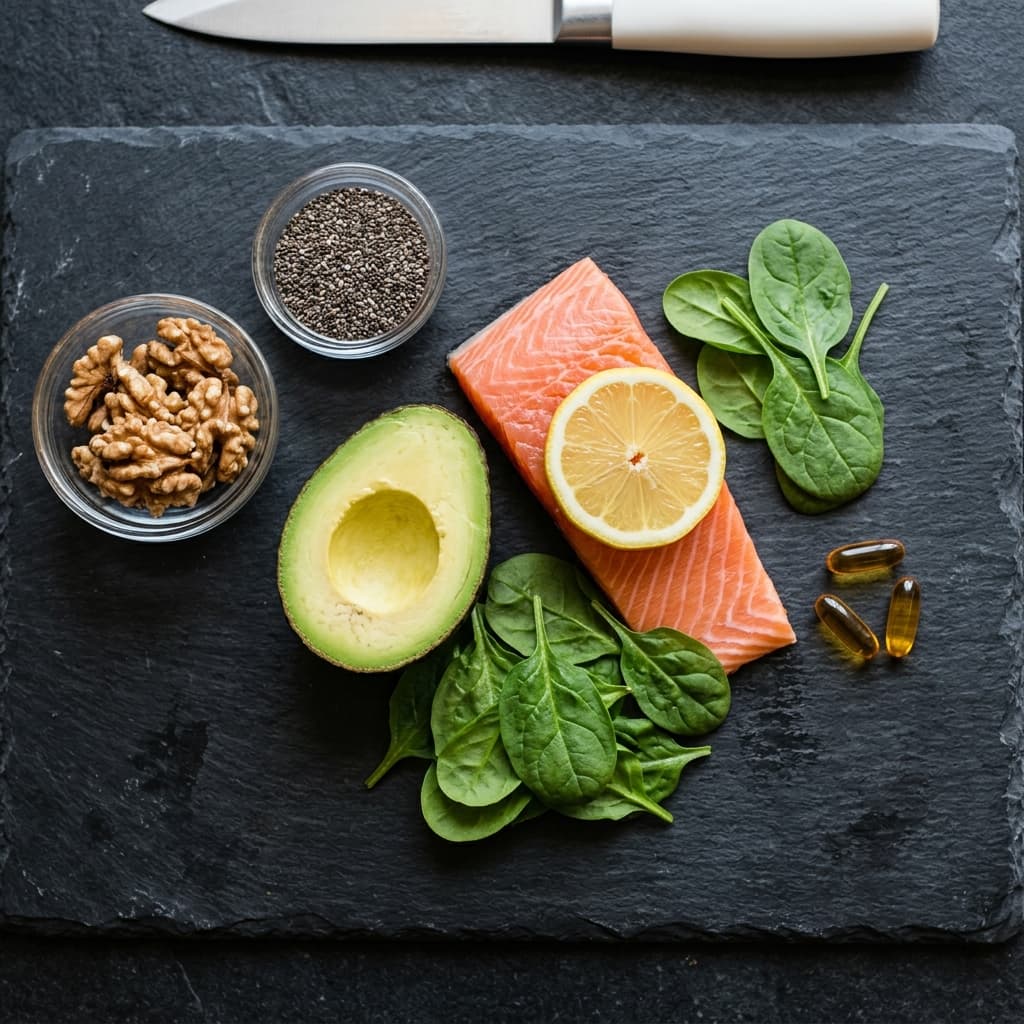
- Magnesium's Role: This often-overlooked mineral is crucial for over 300 biochemical reactions in your body, including muscle and nerve function, blood glucose control, and blood pressure regulation. It helps relax smooth muscles, including those in your arteries, further aiding in blood pressure stability. Leafy greens, nuts, seeds, and whole grains are excellent sources.
This synergistic approach allows your cardiovascular system to operate with optimal, purposeful efficiency, reducing vascular resistance and stabilizing blood pressure naturally. It's truly a beautiful symphony of nutrients working for your health!
The 7-Day Nourishment Schedule
Each day is thoughtfully designed to provide balanced, nutrient-dense meals that delight your taste buds while nourishing your heart. Notice the emphasis on vibrant vegetables, lean proteins, and wholesome grains, all seasoned with nature's best flavor enhancers.
| Day | Breakfast | Lunch | Dinner | Snack | Calories |
|---|---|---|---|---|---|
| Day 1 | Steel-cut oats with toasted walnuts | Quinoa bowl with roasted chickpeas | Herb-crusted wild salmon with asparagus | Sliced apple with almond butter | 1,650 |
| Day 2 | Chia seed pudding with fresh berries | Lentil salad with lemon-tahini dressing | Grilled chicken breast with steamed kale | Raw almonds | 1,620 |
| Day 3 | Greek yogurt with flaxseeds | Roasted beet and walnut arugula salad | Baked cod with garlic-herb cauliflower mash | Cucumber slices with hummus | 1,580 |
| Day 4 | Avocado toast on sprouted grain bread | Black bean and corn salsa bowl | Turkey meatballs with zucchini noodles | Orange segments | 1,610 |
| Day 5 | Buckwheat porridge with cinnamon | Mediterranean chickpea and cucumber salad | Lemon-rosemary chicken with sweet potato | Pumpkin seeds | 1,640 |
| Day 6 | Smoothie with spinach and almond milk | Quinoa salad with toasted pecans | Pan-seared trout with charred broccoli | Walnuts | 1,590 |
| Day 7 | Omelet with garden vegetables | Lentil and kale soup | Herb-roasted chicken with wild rice | Pear | 1,680 |
Imagine the aroma of freshly toasted walnuts in your morning oats, or the vibrant colors of a quinoa bowl shimmering with roasted chickpeas. Each meal is an opportunity to engage your senses and savor the genuine flavors of unprocessed foods.
Stewart's Culinary Coaching Tips
Elevating Flavor Without Salt
- Embrace the Herb Garden: Fresh herbs are your best friends! Think bright, citrusy cilantro with fish, aromatic rosemary with chicken, or earthy thyme with roasted vegetables. The volatile oils in fresh herbs explode with flavor on your palate. Don't be shy – use them generously.
- The Zest of Life: Lemon, lime, and orange zest contain intensely aromatic oils that add brightness and depth without a single grain of salt. A sprinkle of lemon zest over your salmon or roasted veggies truly makes them sing.
- Spice It Up: Cumin, smoked paprika, turmeric, coriander, and black pepper bring warmth and complexity. Toast whole spices briefly in a dry pan before grinding for an even richer aroma and flavor. Feel the warmth of the pan, listen to the crackle – it's an awakening of flavor!
- Vinegar's Tang: A splash of apple cider vinegar, balsamic, or red wine vinegar can awaken flavors in salads and sauces, offering a delightful tang that reduces the perceived need for salt.
- Roast for Sweetness: Roasting vegetables like carrots, sweet potatoes, and even broccoli brings out their natural sugars, creating a deeply satisfying sweetness that balances other flavors beautifully. Listen for the gentle caramelization in the oven.
- Layering Flavors: Think about building flavor. Sauté aromatics like garlic and onion until fragrant (oh, that irresistible smell!), then add your main ingredients. This foundational layer sets the stage for a truly delicious dish.
Cooking this way is an act of love for your body and your taste buds. It's about finding joy in natural flavors.
Your Weekly Shopping List
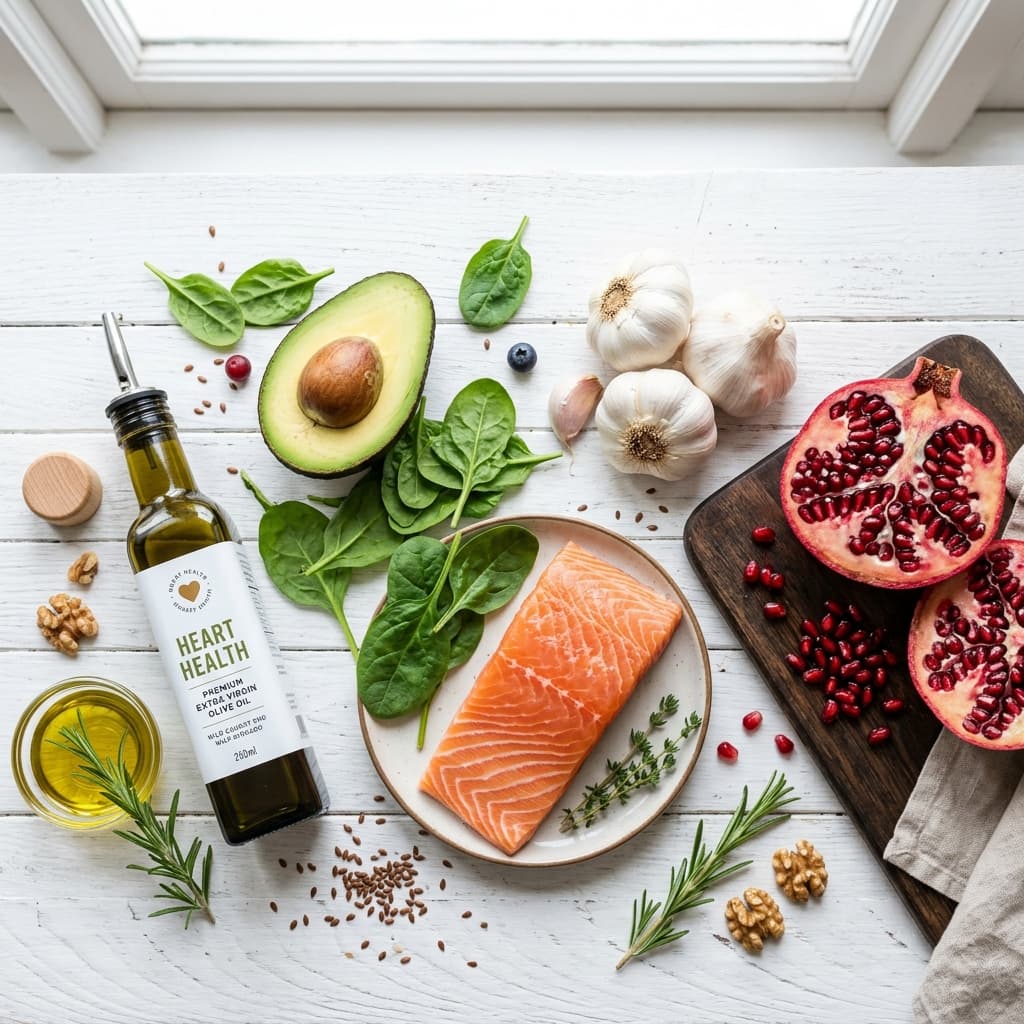
Preparing for your reset is half the battle won! This list ensures you have all the vibrant, whole ingredients you need to sail through the week with ease. Focus on quality and freshness; it truly makes a difference in taste and nutrition.
Proteins & Produce
- Wild Salmon/Cod/Lean Chicken Breast (approx. 1.5kg total)
- Spinach, Kale, Asparagus (3-4 bunches, look for vibrant, crisp leaves)
- Beets, Carrots, Sweet Potatoes (approx. 1kg, firm and earthy)
- Avocado (2-3 ripe ones)
- Apples, Pears, Oranges, Mixed Berries (approx. 6 total, plus 2 cups berries)
- Lemons & Limes (3-4 for zest and juice)
- Fresh Herbs: Parsley, Dill, Rosemary, Thyme, Cilantro (small bunches of each, or a good pot if you have one!)
- Garlic & Onions (a few heads of garlic, 2-3 onions)
- Cucumber (1-2)
- Zucchini (2-3 medium)
Pantry & Dairy
- Steel-cut Oats, Quinoa, Buckwheat (approx. 500g each)
- Brown or Wild Rice (250g)
- Lentils, Black Beans, Chickpeas (4-5 cans, *no salt added* or dried to cook yourself)
- Raw Nuts (walnuts, almonds, pecans - 200g total)
- Seeds (flaxseeds, pumpkin seeds, chia seeds - 100g total)
- Unsweetened Plain Greek Yogurt (500g, check labels for low sodium)
- Unsweetened Almond Milk (1 liter)
- Nut Butter (almond or cashew, unsalted, no added sugar)
- Extra Virgin Olive Oil
- Vinegars (apple cider, balsamic)
- Herbs & Spices (your favorites: cumin, smoked paprika, turmeric, black pepper, cinnamon)
- Tahini (for dressings)
Meal Prep & Storage Guide
A little upfront preparation goes a long way in ensuring your week is smooth, delicious, and stress-free. Think of Sunday as your culinary workshop – a time to set yourself up for success.
- Batch-Roast Vegetables: On Sunday, chop and roast a large sheet pan of mixed vegetables (carrots, broccoli, sweet potatoes, beets) seasoned with herbs and olive oil. The earthy aroma will fill your kitchen! Store them in airtight glass containers in the fridge for up to 4-5 days. They're perfect for quick additions to salads, grain bowls, or as a side.
- Cook Grains Ahead: Prepare larger batches of quinoa, lentils, and steel-cut oats. Once cooled, store them separately in airtight containers in the refrigerator. They'll stay fresh for 3-4 days and are ready to be scooped into your meals, saving precious time during busy mornings and lunch breaks.
- Wash and Chop Greens: As soon as you bring your produce home, wash and thoroughly dry all your leafy greens. Store them with a paper towel in a sealed bag or container to keep them crisp and ready for salads or sautéing.
- Homemade Dressings: Whisk together your lemon-tahini or simple vinaigrette at the start of the week. Store in a sealed jar in the fridge. This ensures you always have a healthy, low-sodium option on hand.
- Snack Prep: Portion out your raw nuts and seeds into small containers or bags for easy grab-and-go snacks. Slice apples or cucumbers the night before to keep them fresh.
- Freezing for Future You: If you make a large batch of lentil soup or turkey meatballs, consider freezing individual portions for future quick meals. They'll last for up to 2-3 months in the freezer. Thaw overnight in the fridge and reheat gently on the stovetop or in the microwave.
Flavor Variations & Substitutions
I encourage you to embrace creativity in your kitchen! While this plan provides a structured framework, feel free to adapt it to your preferences and what’s in season, always keeping the low-sodium principles in mind.
- Protein Swaps: If wild salmon isn't available, or you prefer a different option, feel free to substitute with other lean, unseasoned proteins like cod, halibut, shrimp, or even firm tofu. For chicken, opt for lean chicken breast or tenderloin. Just be mindful of cooking methods to keep it healthy.
- Vegetarian/Vegan Twist: Most meals in this plan can be easily adapted. For protein, swap chicken/fish for extra chickpeas, lentils, black beans, baked tofu, tempeh, or a hearty mushroom steak. Ensure any packaged alternatives are low in sodium.
- Grain Alternatives: Quinoa, steel-cut oats, and wild rice are excellent, but you can also enjoy millet, farro, brown rice, or even gluten-free pasta (check sodium content!) as a base for your meals. Experiment with textures and flavors!
- Spice Profile Exploration: Don't limit yourself to the suggested herbs. If you love a bit of heat, add a pinch of chili flakes. Craving an exotic touch? A dash of unsalted curry powder can transform your lentil salad. The kitchen is your playground!
- Seasonal Produce: Always prioritize what's fresh and in season. If asparagus isn't in season, green beans, Brussels sprouts, or spinach make wonderful substitutes.
What to Mindfully Avoid
Common Sodium Traps to Sidestep
To truly allow your body to reset, it's just as important to know what to steer clear of. Many common foods are hidden sources of sodium, even those you might not suspect.
- Canned Soups & Broths: Unless explicitly labeled "low sodium" or "no salt added," these are often sodium bombs. Opt for homemade or choose wisely.
- Processed Deli Meats & Sausages: These are notorious for high sodium content used for preservation and flavor. Choose fresh, lean, unprocessed proteins instead.
- Store-Bought Salad Dressings & Condiments: Vinaigrettes, ketchup, BBQ sauce, and even some mustards can be loaded with sodium. Make your own or read labels carefully.
- Table Salt: During this reset, avoid adding table salt to your food, both during cooking and at the table. Let your palate adjust to natural flavors.
- Most Frozen Meals: Even those marketed as "healthy" often contain excessive sodium to preserve taste and texture. Stick to fresh, whole foods.
- Refined White Breads & Pastries: Many baked goods, even sweet ones, contain significant amounts of sodium. Opt for sprouted grain breads or whole-grain alternatives with no added salt.
- Pre-Marinated Meats: These often come with a hidden dose of sodium in their brines or marinades. Choose plain cuts and season them yourself.
Being aware of these common culprits empowers you to make heart-healthier choices effortlessly.
Your Progress Check: Feeling the Shift
It's wonderful to pause and acknowledge the subtle, yet significant, changes happening within you throughout this week. Your body is incredibly responsive, and you'll likely feel shifts quickly.
Day 3 Check:
By now, you've likely shed initial water weight. Your body is releasing excess fluids, and you might notice less puffiness. Expect higher, more stable energy levels as your blood sugar evens out from the consistent intake of whole foods. The initial craving for salt might still linger, but your palate is already beginning its beautiful reset.
Day 5 Check:
Welcome to clearer thinking! Many people report improved cognitive clarity and focus by this point. Bloating should be significantly reduced, if not entirely gone. Your palate will have noticeably reset, allowing you to truly taste the subtle sweetness of vegetables and the bright notes of herbs. You'll likely feel a deeper sense of lightness and internal balance.
Day 7 Check:
Congratulations, you've established a new metabolic rhythm! You'll finish this week feeling revitalized, energetic, and heart-strong. This isn't just a temporary fix; it's a profound shift towards sustainable wellness. Carry this feeling of well-being forward, knowing you've given your heart a truly invaluable gift.
Frequently Asked Questions (FAQs)
Your Next Steps Towards Lasting Wellness
As you conclude this invigorating 7-day reset, remember that this is just the beginning of a beautiful relationship with food and your body. Carry these insights forward:
- Continue Mindful Eating: Stay aware of your sodium intake, even when dining out. Ask for sauces on the side and choose fresh, simply prepared dishes.
- Embrace Culinary Creativity: Keep experimenting with fresh herbs, spices, and citrus. Let your kitchen be a place of joyous discovery, not rigid rules.
- Stay Hydrated: Water is crucial for flushing out toxins and maintaining healthy blood pressure. Sip throughout the day.
- Listen to Your Body: Pay attention to how different foods make you feel. Your body is your best guide.
- Follow Up with Your Doctor: Schedule a check-up to discuss your progress and any health milestones you've achieved during this reset. Your doctor can offer personalized advice based on your health profile.
You've taken a powerful step towards a vibrant, heart-healthy future. I'm incredibly proud of you! Keep nurturing yourself, one delicious, wholesome meal at a time.
Frequently Asked Questions
Can I do this diet if I am vegetarian or vegan?▼
Absolutely! This plan is incredibly adaptable. Simply substitute the chicken and fish with plant-based proteins such as firm tofu, tempeh, extra legumes (lentils, black beans, chickpeas), or hearty mushrooms like portobellos. Just ensure these plant-based options are prepared without added salt and you're good to go.
Will this plan help with weight loss?▼
While the primary focus is cardiovascular health, many individuals experience natural weight management as a wonderful secondary benefit. By prioritizing whole, unprocessed foods and significantly reducing sodium, your body will naturally shed excess water retention, and the nutrient density of the meals will keep you feeling satisfied, supporting healthy weight.
What if I do not like specific ingredients?▼
No problem at all! Flexibility is key to sustainable eating. You can swap any vegetable or grain for another of similar nutritional value. For instance, if you're not a fan of asparagus, steamed green beans or roasted zucchini would be excellent alternatives. The key is to keep all substitutions unprocessed and free of added salt.
Is this plan safe if I have high blood pressure or other medical conditions?▼
This plan is specifically designed to support cardiovascular health through significant sodium reduction and increased potassium/magnesium intake, which can be beneficial for blood pressure. However, if you have high blood pressure, diabetes, kidney issues, or any other medical condition, it is absolutely essential to consult your physician or a registered dietitian before starting any new dietary protocol.
How long should I stay on this plan, and what comes next?▼
This is structured as a 7-day reset to kickstart your journey. However, the principles of eating whole, unprocessed, low-sodium foods are fundamental for long-term health and can safely be continued indefinitely. After the 7 days, I encourage you to gradually reintroduce a wider variety of foods, always mindful of sodium levels. The goal is to make these healthy habits a sustainable part of your lifestyle, not just a temporary diet.
Get the Full Guide
Download the complete PDF version including grocery lists and meal prep instructions for easy printing and offline reading.

Stewart Lucas
Nutritionist & Recipe DeveloperStewart Lucas is a nutritionist and recipe developer representing the NutriGuide team. All articles, dietary guidelines, and meal plans published on this site are designed and audited by certified dietitians and clinical nutrition professionals to guarantee absolute accuracy.
Explore More


Community Reviews
Please log in to leave a review.