7-Day Low-Carb Fat Loss Plan: The Sweet Spot
This 7-Day Low-Carb Fat Loss Plan: The Sweet Spot is a structured 7-day nutritional program optimized for Low-Carb, Weight Loss, Metabolic Health, non-veg, breakfast. Formulated by certified nutritionist Stewart Lucas, this program organizes your daily breakfast, lunch, and dinner to support your wellness goals.
This 7-Day Low-Carb Fat Loss Plan: The Sweet Spot is a structured 7-day nutritional program optimized for Low-Carb, Weight Loss, Metabolic Health, non-veg, breakfast. Formulated by certified nutritionist Stewart Lucas, this program organizes your daily breakfast, lunch, and dinner to support your wellness goals.
Key Takeaways
- ✓Evidence-based guidance on Low-Carb for long-term health.
- ✓Evidence-based guidance on Weight Loss for long-term health.
- ✓Evidence-based guidance on Metabolic Health for long-term health.
- ✓Evidence-based guidance on non-veg for long-term health.
This 7-Day Low-Carb Fat Loss Plan: The Sweet Spot is a structured 7-day nutritional program optimized for Low-Carb, Weight Loss, Metabolic Health, non-veg, breakfast. Formulated by certified nutritionist Stewart Lucas, this program organizes your daily breakfast, lunch, and dinner to support your wellness goals.
7-Day Low-Carb Fat Loss Plan: The Sweet Spot
- Promotes natural fat oxidation by moderating insulin spikes throughout the day.
- Boosts sustained mental clarity by stabilizing blood sugar levels.
- Focuses on high-satiety, nutrient-dense whole foods to eliminate the "snacking urge."
I often tell my clients that nutrition isn't about restriction; it’s about finding the "sweet spot" where your body functions at its peak without feeling deprived. I’ve spent years in professional kitchens and nutrition clinics, and if there is one thing I’ve learned, it’s that we often overcomplicate healthy eating. We get lost in complex macros and fancy superfoods, forgetting that the most effective tool for metabolic health is a well-cooked, balanced plate of real food.
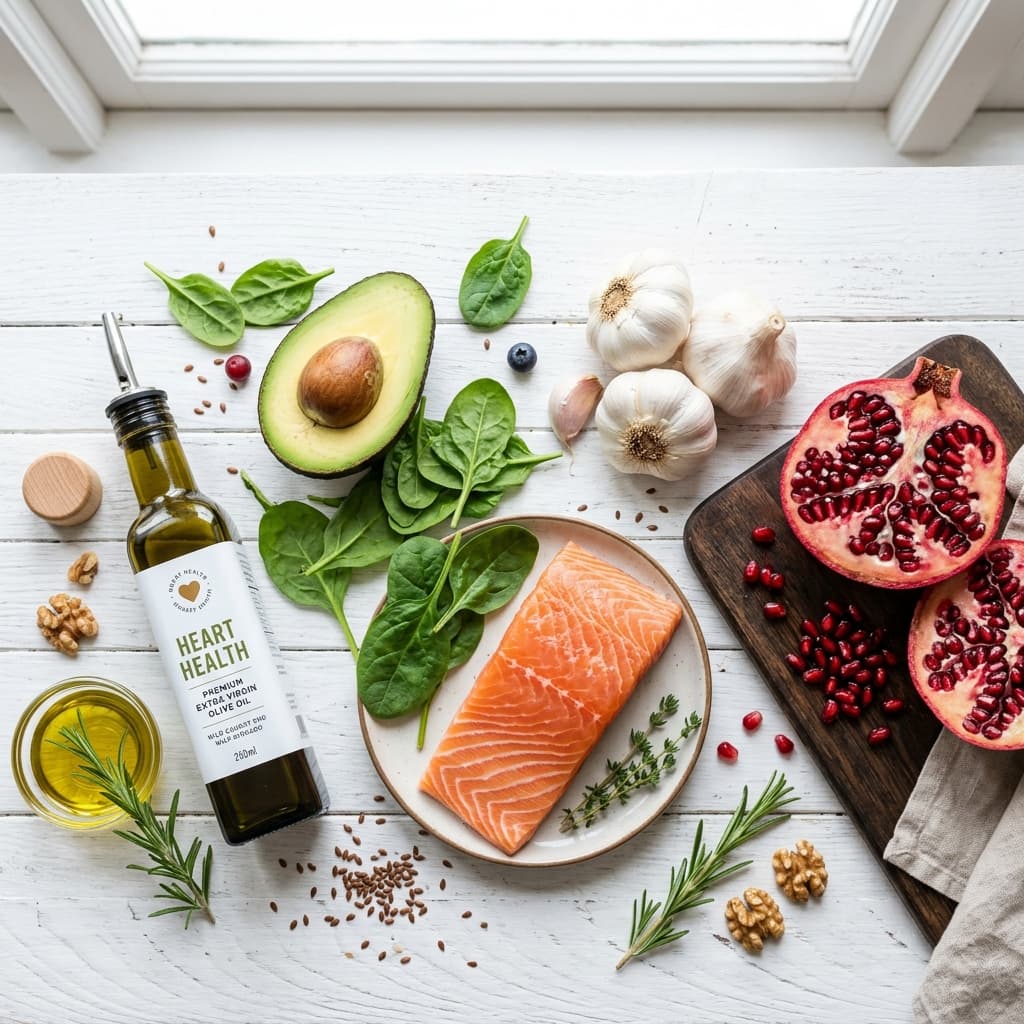
This seven-day plan is designed for the person who is ready to move away from processed convenience and back toward the kitchen. Imagine the rich, earthy aroma of garlic hitting a hot pan, or the way fresh, vibrant greens look when they’ve been perfectly sautéed in a little olive oil. This isn't just a diet—it’s a reset. Over the next week, we are shifting your body's primary fuel source, allowing you to regain control over your energy levels and hunger signals.
The Nutritional Science Behind the Plate
Why Low-Carb Works
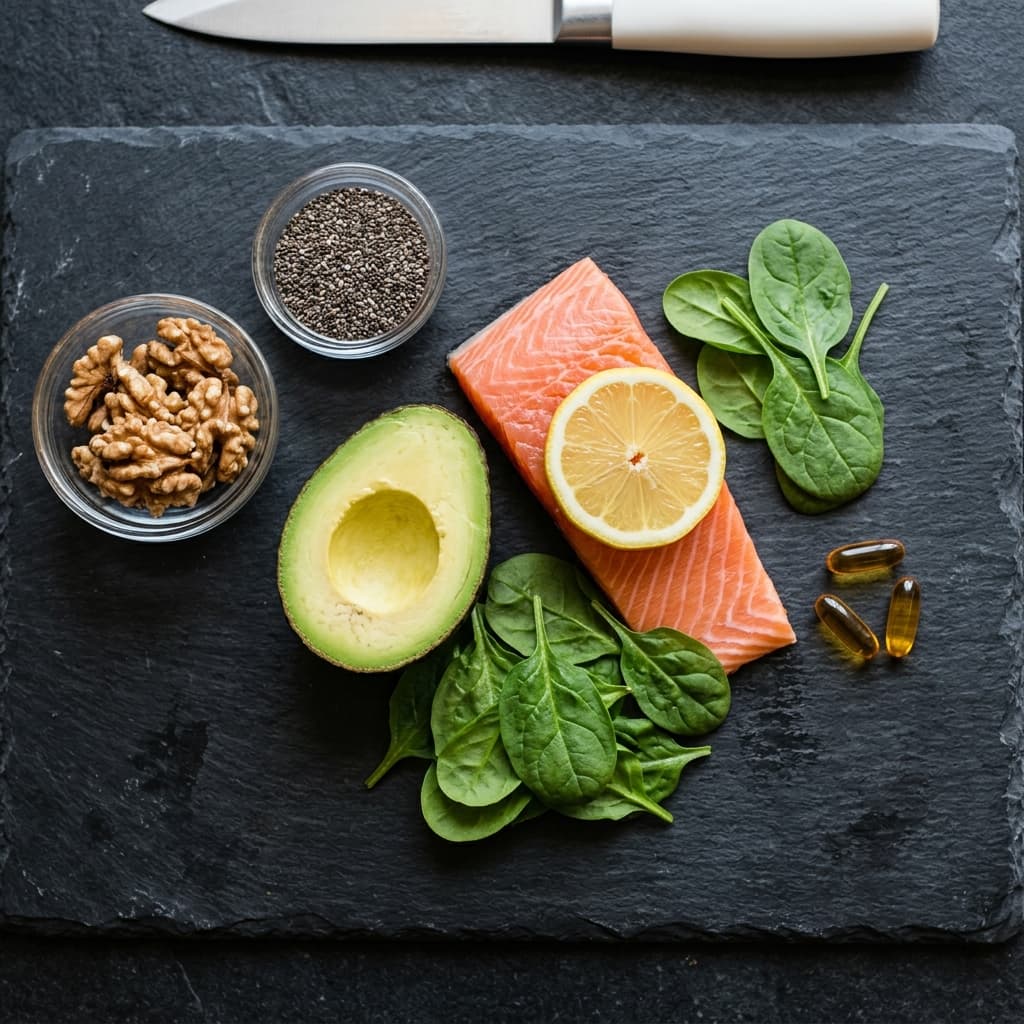
When you reduce refined carbohydrates, your body naturally lowers its insulin production. Insulin is our primary storage hormone. By keeping it steady, we invite the body to tap into stored adipose tissue for energy. This isn't just about weight loss; it's about metabolic flexibility. High-quality proteins help preserve muscle mass, while healthy fats—like those found in avocados and walnuts—keep your satiety hormones (PYY and GLP-1) signaling to your brain that you are full, satisfied, and energized.
The 7-Day Protocol
| Day | Breakfast | Lunch | Dinner | Snack |
|---|---|---|---|---|
| Day 1 | Scrambled eggs with spinach | Grilled chicken caesar salad | Baked cod with roasted asparagus | Almonds |
| Day 2 | Greek yogurt with walnuts | Turkey breast wraps | Herb-roasted salmon | Cucumber slices |
| Day 3 | Omelet with mushrooms | Tuna salad in lettuce cups | Beef stir-fry (no rice) | String cheese |
| Day 4 | Chia seed pudding | Chicken cobb salad | Lemon garlic shrimp | Walnuts |
| Day 5 | Avocado on protein toast | Shrimp and avocado salad | Turkey meatballs in zucchini noodles | Celery sticks |
| Day 6 | Poached eggs on sautéed kale | Grilled salmon salad | Pork chop with broccoli | Hard-boiled egg |
| Day 7 | Greek yogurt bowl | Leftover pork and broccoli | Sirloin steak with cauliflower mash | Pumpkin seeds |
Stewart's Culinary Coaching Tips
Mastering the Sizzle: When you’re cooking your proteins, don't rush the process. Whether it’s a salmon fillet or a sirloin steak, ensure your pan is properly heated before adding the protein. You want that audible, aggressive sizzle when the meat touches the pan—that is the Maillard reaction happening, which provides the deep, savory flavor you crave. If the pan isn't hot enough, the food will steam and turn gray rather than developing that beautiful, browned crust.
Meal Prep & Storage Guide
I advocate for "component prepping" rather than making full meals that sit in the fridge for days. Roast a large tray of vegetables, boil a dozen eggs, and grill four or five chicken breasts on Sunday afternoon. When you store your greens, place a dry paper towel in the bottom of the container—it absorbs excess moisture and keeps your spinach crisp for days.
When reheating, avoid the microwave if you have the time. A quick pan-sear with a teaspoon of water and a lid on top will bring your proteins back to life without drying them out. Your fridge life for cooked proteins is generally 3-4 days; store them in airtight glass containers to maintain maximum freshness and prevent flavor cross-contamination.
Flavor Variations & Swaps
- Protein Swaps: Not a fan of cod? Swap for white fish like halibut or even a firm tofu block if you prefer a plant-based path.
- Vegetable Upgrades: If zucchini noodles aren't your preference, try thinly shaved cabbage sautéed with garlic—it provides an incredible crunch and takes on the flavor of your sauce perfectly.
- Dairy-Free: Swap Greek yogurt for a high-quality coconut or almond-based unsweetened yogurt, and use nutritional yeast in place of cheese for that savory, nutty kick.
We are aiming for clean, systemic results. Avoid liquid calories—this includes diet sodas and flavored teas, which can trigger sweet cravings. Stay away from "low-carb" labeled packaged snacks, as they are often packed with artificial fibers and sugar alcohols that cause digestive distress. If it has a barcode, read the label carefully; if you can't pronounce the ingredients, step away.
Remember, the goal is consistency, not perfection. If you have one meal that goes off-plan, don't let it ruin your week. Simply return to the next scheduled meal with a fresh perspective. You are building a lifestyle, and every meal is an opportunity to fuel your body with respect and care.
Frequently Asked Questions
Can I do this diet if I am vegetarian?▼
Absolutely. You can reach your protein goals by prioritizing tempeh, organic tofu, hemp seeds, and high-quality eggs. Just keep a close eye on the carbohydrate content in any legumes you choose.
How much water should I drink daily?▼
Hydration is critical when lowering carbs. I suggest aiming for 2.5 to 3 liters of water. Adding a pinch of high-quality sea salt to your water can also help maintain electrolyte balance as your body shifts away from processed foods.
Is coffee allowed on this plan?▼
Coffee is absolutely fine, provided it is black or taken with a splash of unsweetened almond milk. Avoid sweeteners and heavy creamers, which can trigger an insulin response and potentially stall your progress.
What if I feel hungry between meals?▼
Hunger is often just dehydration or a habit. Try a tall glass of water first. If you are truly hungry, reach for a small handful of raw walnuts or a few slices of cucumber with a touch of sea salt. Don't force yourself to suffer, but listen to your body's actual needs.
Get the Full Guide
Download the complete PDF version including grocery lists and meal prep instructions for easy printing and offline reading.

Stewart Lucas
Nutritionist & Recipe DeveloperStewart Lucas is a nutritionist and recipe developer representing the NutriGuide team. All articles, dietary guidelines, and meal plans published on this site are designed and audited by certified dietitians and clinical nutrition professionals to guarantee absolute accuracy.
Explore More


Community Reviews
Please log in to leave a review.