7-Day Paleo Performance Plan: Eat Like Your Ancestors Thrived
This 7-Day Paleo Performance Plan: Eat Like Your Ancestors Thrived is a structured 7-day nutritional program optimized for Paleo, Gluten-Free, Sugar-Free, Low-Carb, Anti-Inflammatory. Formulated by certified nutritionist Stewart Lucas, this program organizes your daily breakfast, lunch, and dinner to support your wellness goals.
This 7-Day Paleo Performance Plan: Eat Like Your Ancestors Thrived is a structured 7-day nutritional program optimized for Paleo, Gluten-Free, Sugar-Free, Low-Carb, Anti-Inflammatory. Formulated by certified nutritionist Stewart Lucas, this program organizes your daily breakfast, lunch, and dinner to support your wellness goals.
Key Takeaways
- ✓Evidence-based guidance on Paleo for long-term health.
- ✓Evidence-based guidance on Gluten-Free for long-term health.
- ✓Evidence-based guidance on Sugar-Free for long-term health.
- ✓Evidence-based guidance on Low-Carb for long-term health.
This 7-Day Paleo Performance Plan: Eat Like Your Ancestors Thrived is a structured 7-day nutritional program optimized for Paleo, Gluten-Free, Sugar-Free, Low-Carb, Anti-Inflammatory. Formulated by certified nutritionist Stewart Lucas, this program organizes your daily breakfast, lunch, and dinner to support your wellness goals.
7-Day Paleo Performance Plan: Eat Like Your Ancestors Thrived
- Eliminate systemic inflammation by removing processed sugars, refined grains, and industrial seed oils.
- Stabilize your blood glucose levels for consistent energy from sunrise to sunset.
- Optimize your metabolic flexibility by prioritizing high-quality proteins and satiating healthy fats.
I often tell my clients that the most sophisticated kitchen tool isn't a high-end blender or a copper sauté pan—it’s the realization that what we put on our plates determines how we move through the world. I’ve spent years in professional kitchens and nutrition clinics, and the pattern is always the same: when we strip away the modern noise of ultra-processed fillers, the body finally has a chance to breathe.
The Paleo approach isn't about re-enacting history; it’s about acknowledging our biological blueprint. When you hear the sharp, aggressive sizzle of a ribeye hitting a seasoned cast-iron skillet, or smell the earthy, deep aroma of roasting sweet potatoes in your oven, you’re connecting with ingredients that have fueled human life for millennia. This 7-day plan is designed to help you hit that reset button, clearing out the fog of processed carbohydrates to make room for vibrant, real-food energy.
Understanding the Metabolic Shift
When you transition to this plan, you are effectively shifting your metabolic engine. Most of us run on a "glucose rollercoaster"—we eat, our blood sugar spikes, and then it crashes, leaving us reaching for a third cup of coffee by 2:00 PM. By prioritizing nutrient-dense proteins and healthy fats, we keep those insulin levels steady. You’ll find that as your body learns to access stored energy (fatty acids) more efficiently, that mid-day "afternoon slump" simply evaporates.
Nutritional Science: The Paleo Foundation
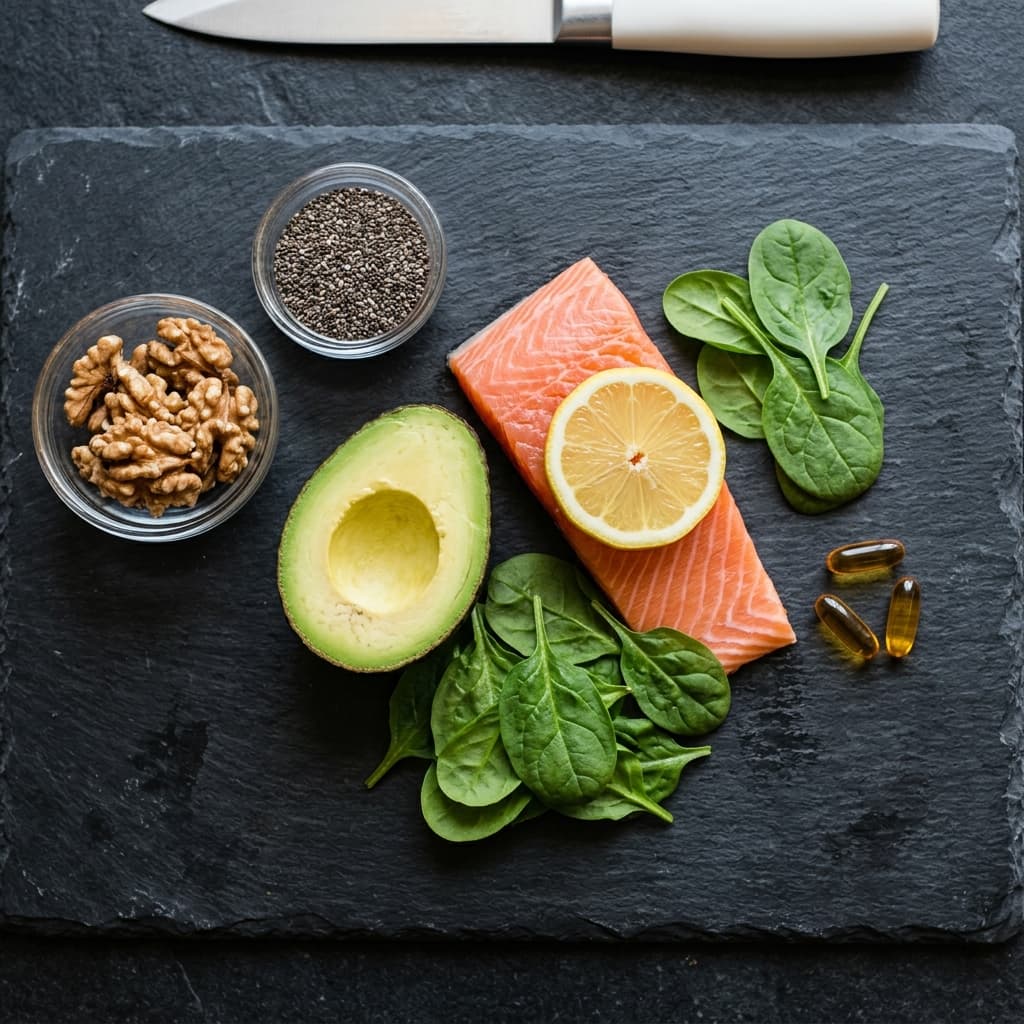
The core of this protocol is anti-inflammatory in nature. Proteins like wild-caught salmon and grass-fed beef provide essential amino acids for tissue repair and muscle maintenance. Healthy Fats, such as those found in avocados and extra virgin olive oil, are the building blocks for hormone synthesis and brain health. By removing grains and legumes, we reduce the intake of phytates and lectins, which can trigger digestive discomfort and systemic inflammation in many individuals.
The 7-Day Performance Schedule
| Day | Breakfast | Lunch | Dinner | Snack |
|---|---|---|---|---|
| Day 1 | Scrambled eggs with wilted kale | Grilled chicken caesar salad | Baked salmon with asparagus | Raw almonds |
| Day 2 | Smoked salmon and avocado | Beef burger lettuce wrap | Roasted turkey breast | Mixed berries |
| Day 3 | Sweet potato hash | Lemon herb tuna salad | Grass-fed ribeye steak | Walnuts |
| Day 4 | Spinach and bacon omelet | Baked cod with roasted broccoli | Slow-cooked pulled pork | Apple slices |
| Day 5 | Berry and coconut milk bowl | Chicken avocado salad | Seared scallops with garlic | Pumpkin seeds |
| Day 6 | Avocado and egg boats | Turkey meatballs with zucchini | Roast chicken with carrots | Beef jerky |
| Day 7 | Chia seed coconut porridge | Shrimp and avocado salad | Lamb chops with rosemary | Cashews |
Stewart’s Culinary Coaching Tips
Cooking for a week doesn't have to be a burden. On Sunday, spend 90 minutes on your mise en place (everything in its place). Wash and chop your kale, roast two trays of broccoli, and boil your eggs. If the ingredients are prepped and visible in your fridge, you’ll reach for them instead of ordering takeout when life gets busy. Also, never underestimate the power of a fresh squeeze of lemon juice—it wakes up the flavors of simple roasted meats and salads like nothing else.
Meal Prep & Storage Guide
Keeping your food fresh is the secret to staying consistent. Store your leafy greens in a container lined with a dry paper towel; it acts as a humidity control, keeping your kale crisp for days. For proteins like pulled pork or roasted chicken, store them in airtight glass containers. They stay succulent for up to four days in the fridge. When reheating, I always suggest a splash of bone broth or water in the pan—this prevents the meat from drying out and maintains that tender texture we all crave.
Flavor Variations and Swaps
- For the Seafood Lover: Swap the beef burger for a wild-caught white fish patty seasoned with dill and capers.
- The Crunch Factor: If you miss the "bread" element, try using thinly sliced, roasted jicama or thick cucumber rounds as a vehicle for your tuna or chicken salads.
- Budget-Friendly Protein: Eggs are a complete protein source. If meat prices rise, don't hesitate to make an egg-based frittata with leftover vegetables for any meal of the day.
To see true results, be strict for these seven days. Avoid all refined sugars, artificial sweeteners, grains (even the "healthy" ones like oats or quinoa), legumes (beans, soy, peanuts), and inflammatory processed vegetable oils. Your gut and your energy levels will thank you for the break.
You’re ready. Take this week to listen to your body—note how you feel when you wake up, how your digestion settles, and how your focus sharpens. It’s not just about what you’re losing; it’s about what you’re gaining: a cleaner, stronger, more vibrant version of yourself.
Frequently Asked Questions
I feel a bit "off" or tired in the first few days. Is this normal?▼
Absolutely. Your body is shifting from a reliance on quick-burning sugar to a more sustained fat-burning metabolism. This transition can sometimes cause minor headaches or fatigue. Ensure you are adding enough high-quality sea salt to your food and drinking plenty of water; electrolytes are key during these first 72 hours.
Is it safe to consume this much fat?▼
When you remove processed carbohydrates, your body needs an alternative fuel source. Healthy fats—like those found in avocados, olive oil, and grass-fed butter—are essential for hormone regulation and satiety. They don't spike your insulin, which is exactly why they are a staple of this performance plan.
Can I drink coffee on this plan?▼
Black coffee is perfectly fine, and many people find it helpful for focus. Just avoid the temptation to add sugary creamers or flavored syrups. If you need a creamy texture, try a splash of full-fat canned coconut milk.
Will I lose weight on this plan?▼
Weight management is a common, welcome side effect of this protocol. By removing processed foods, you naturally reduce your caloric density and drop excess water weight that the body often retains due to high-sodium, carb-heavy processed snacks.
Get the Full Guide
Download the complete PDF version including grocery lists and meal prep instructions for easy printing and offline reading.

Stewart Lucas
Nutritionist & Recipe DeveloperStewart Lucas is a nutritionist and recipe developer representing the NutriGuide team. All articles, dietary guidelines, and meal plans published on this site are designed and audited by certified dietitians and clinical nutrition professionals to guarantee absolute accuracy.
Explore More



Community Reviews
Please log in to leave a review.