7-Day Postpartum Recovery Nutrition: Heal, Nourish & Thrive
This 7-Day Postpartum Recovery Nutrition: Heal, Nourish & Thrive is a structured 7-day nutritional program optimized for Postpartum Recovery, Anti-Inflammatory, non-veg, breakfast, lunch. Formulated by certified nutritionist Stewart Lucas, this program organizes your daily breakfast, lunch, and dinner to support your wellness goals.
This 7-Day Postpartum Recovery Nutrition: Heal, Nourish & Thrive is a structured 7-day nutritional program optimized for Postpartum Recovery, Anti-Inflammatory, non-veg, breakfast, lunch. Formulated by certified nutritionist Stewart Lucas, this program organizes your daily breakfast, lunch, and dinner to support your wellness goals.
Key Takeaways
- ✓Evidence-based guidance on Postpartum Recovery for long-term health.
- ✓Evidence-based guidance on Anti-Inflammatory for long-term health.
- ✓Evidence-based guidance on non-veg for long-term health.
- ✓Evidence-based guidance on breakfast for long-term health.
This 7-Day Postpartum Recovery Nutrition: Heal, Nourish & Thrive is a structured 7-day nutritional program optimized for Postpartum Recovery, Anti-Inflammatory, non-veg, breakfast, lunch. Formulated by certified nutritionist Stewart Lucas, this program organizes your daily breakfast, lunch, and dinner to support your wellness goals.
7-Day Postpartum Recovery Nutrition: Heal, Nourish & Thrive
- Focus on bioavailable protein to accelerate soft tissue repair.
- Stabilize blood glucose to eliminate the notorious "postpartum crash."
- Prioritize warm, easily digestible meals to support a sensitive digestive system.
Welcome to a phase of life where every bite truly counts. I’m Stewart Lucas, and if you’ve recently brought a new life into the world, I want to start by saying: you have done something extraordinary. Your body has just navigated a marathon, and the recovery phase is not about "bouncing back"—it is about building a foundation of strength, comfort, and nourishment.
I often tell my clients that postpartum nutrition shouldn't feel like a chore or another "to-do" list item. It should be a quiet, rhythmic process of refueling. When we cook with intention—think of the gentle simmer of a lentil soup or the rich, golden sear of wild-caught salmon—we are signaling to our nervous system that it is time to rest, repair, and replenish. This seven-day plan is designed to be your culinary anchor during these early, beautiful, and often chaotic weeks.
The Science of Postpartum Restoration
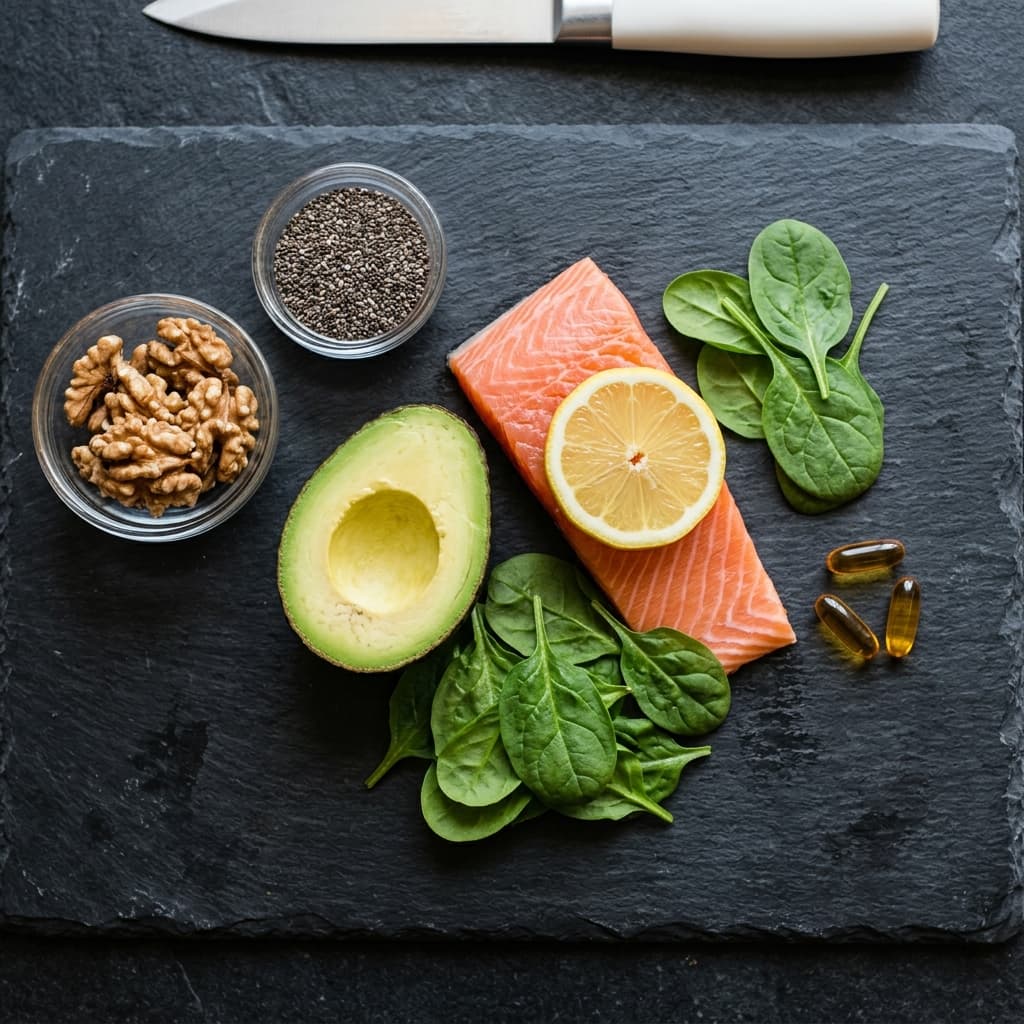
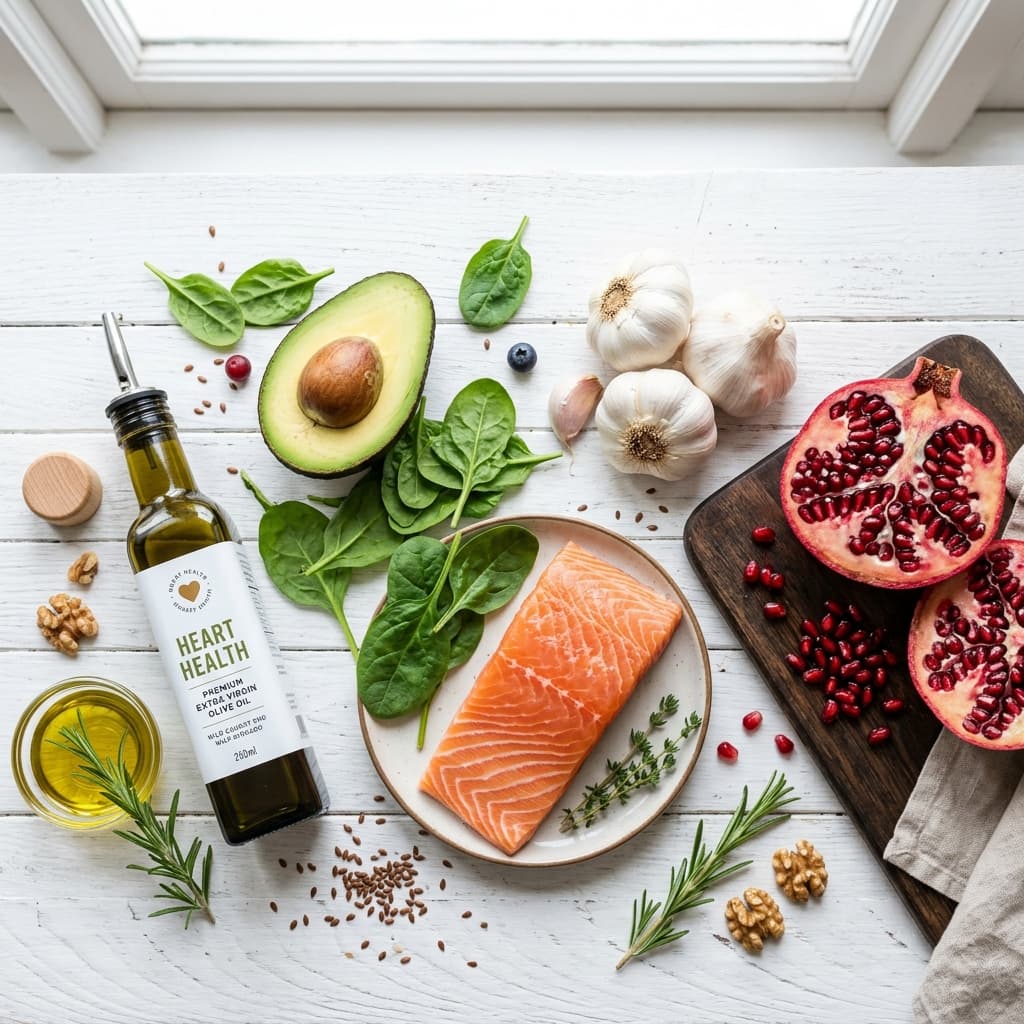
Postpartum healing requires specific support for tissue repair and hormonal regulation. Collagen-rich proteins like wild-caught salmon and slow-cooked poultry provide the amino acids necessary for repairing connective tissue. Complex carbohydrates like quinoa and sweet potatoes prevent the spikes and drops in blood sugar that often exacerbate mood swings and exhaustion. Finally, healthy fats—the kind you find in avocados, walnuts, and flax—are essential for cognitive function and the absorption of fat-soluble vitamins (A, D, E, and K), which are vital for mood stabilization.
7-Day Meal Plan
| Day | Breakfast | Lunch | Dinner | Snack |
|---|---|---|---|---|
| Day 1 | Steel-cut oats with almond butter | Quinoa bowl with shredded rotisserie chicken | Pan-seared salmon with roasted sweet potatoes | Greek yogurt with hemp seeds |
| Day 2 | Avocado toast on sprouted grain bread | Lentil soup with baby spinach | Herb-roasted chicken with lemon wild rice | Handful of raw walnuts |
| Day 3 | Berry chia seed pudding | Salmon and avocado salad | Turkey meatballs with zucchini noodles | Sliced pear with almond butter |
| Day 4 | Scrambled eggs with sautéed kale | Chicken and wild rice soup | Baked cod with lemon and asparagus | Hummus with carrot sticks |
| Day 5 | Warm millet porridge with cinnamon | Turkey and black bean chili | Grilled sirloin with roasted root vegetables | Small portion of mixed berries |
| Day 6 | Omelet with mushrooms and goat cheese | Warm quinoa and roasted vegetable salad | Baked chicken breast with steamed broccoli | Cottage cheese with seeds |
| Day 7 | Smoothie with protein and flaxseed | Lentil and spinach stew | Herb-crusted salmon with quinoa | Dark chocolate squares |
Stewart's Culinary Coaching Tips
Cooking with a newborn is a challenge. My best advice? Embrace the "Cook Once, Eat Twice" mantra. When you roast chicken for dinner, roast two. Shred the extra for your lunch bowl the next day. Furthermore, listen to your kitchen. The scent of garlic hitting olive oil should be soothing, not stressful. If you feel overwhelmed, simplify. A bowl of warm oats is just as healing as a complex stew if it’s made with quality ingredients and eaten with gratitude.
Meal Prep & Storage Guide
Efficiency is your best friend right now. Dedicate just two hours on your chosen prep day—perhaps while someone else is holding the baby—to prep your "workhorses."
- Grains: Cook a large batch of quinoa or wild rice. Store it in an airtight container for up to four days. It can be reheated with a splash of water and a knob of butter for instant comfort.
- Proteins: Roast chicken breasts or bake salmon in bulk. These can be refrigerated for three days or portioned out and frozen for up to two weeks.
- Vegetables: Pre-wash and chop your hardy greens like kale and spinach. Store them in a container lined with a dry paper towel to absorb excess moisture, which keeps them crisp and prevents slime.
Flavor Variations & Swaps
Your palate might change during this time, and that is perfectly normal. Here are a few ways to keep things interesting:
- The Vegan Shift: Swap chicken for chickpeas or marinated tempeh in your salads and stews. Use pumpkin seeds instead of Greek yogurt for a nutrient-dense crunch.
- Low-Carb Adjustment: If you find heavy starches make you sluggish, swap wild rice for cauliflower rice or extra roasted zucchini.
- Budget-Friendly Proteins: Canned sardines are a hidden gem. They are high in omega-3s and excellent when mashed onto sourdough toast with a squeeze of lemon.
Avoid excessive intake of highly processed sugars. While they provide a quick burst of energy, they lead to inevitable blood sugar crashes that can leave you feeling irritable and exhausted. Also, listen to your digestion. If raw salads feel "heavy" or bloating, prioritize cooked, warm vegetables like steamed carrots or roasted broccoli for the first few weeks.
Remember, this is a gentle transition. If you miss a meal or order in, don't be hard on yourself. The goal is progress, not perfection. You are nourishing not just your body, but your entire capacity to care for your new family. Take it one bite at a time.
Frequently Asked Questions
Can I continue this plan if I am breastfeeding?▼
Absolutely. This plan is rich in nutrient-dense whole foods. However, breastfeeding burns significant calories. If you feel lightheaded or excessively hungry, please increase your portion sizes of healthy fats (avocado, olive oil) and complex carbohydrates. Your body knows what it needs—listen to those hunger cues.
Why do you emphasize warm, cooked foods?▼
In many traditional healing cultures, warm foods are considered easier for the body to digest. During recovery, your body is directing immense energy toward healing; by eating foods that are already partially broken down through cooking, you reduce the metabolic energy needed for digestion, allowing your system to focus on repair.
How can I reheat leftovers without losing flavor?▼
The secret is moisture. When reheating grains or proteins, add a small splash of water or broth to the pan. Cover it with a lid and heat over medium-low heat. This steams the food gently, preventing it from drying out or developing that "refrigerated" texture.
Is coffee off-limits?▼
Not necessarily, but moderation is key. Caffeine can pass into breast milk and may affect your sleep cycle. Try to stick to one small cup in the morning, and always pair it with a protein-rich meal rather than drinking it on an empty stomach to avoid the jitters and cortisol spikes.
Get the Full Guide
Download the complete PDF version including grocery lists and meal prep instructions for easy printing and offline reading.

Stewart Lucas
Nutritionist & Recipe DeveloperStewart Lucas is a nutritionist and recipe developer representing the NutriGuide team. All articles, dietary guidelines, and meal plans published on this site are designed and audited by certified dietitians and clinical nutrition professionals to guarantee absolute accuracy.
Explore More


Community Reviews
Please log in to leave a review.