7-Day Teen Athletic Performance Plan: Fuel Young Champions
This 7-Day Teen Athletic Performance Plan: Fuel Young Champions is a structured 7-day nutritional program optimized for Muscle Maintenance, non-veg, breakfast, lunch, dinner. Formulated by certified nutritionist Stewart Lucas, this program organizes your daily breakfast, lunch, and dinner to support your wellness goals.
This 7-Day Teen Athletic Performance Plan: Fuel Young Champions is a structured 7-day nutritional program optimized for Muscle Maintenance, non-veg, breakfast, lunch, dinner. Formulated by certified nutritionist Stewart Lucas, this program organizes your daily breakfast, lunch, and dinner to support your wellness goals.
Key Takeaways
- ✓Evidence-based guidance on Muscle Maintenance for long-term health.
- ✓Evidence-based guidance on non-veg for long-term health.
- ✓Evidence-based guidance on breakfast for long-term health.
- ✓Evidence-based guidance on lunch for long-term health.
This 7-Day Teen Athletic Performance Plan: Fuel Young Champions is a structured 7-day nutritional program optimized for Muscle Maintenance, non-veg, breakfast, lunch, dinner. Formulated by certified nutritionist Stewart Lucas, this program organizes your daily breakfast, lunch, and dinner to support your wellness goals.
7-Day Teen Athletic Performance Plan: Fueling Young Champions
Quick Summary
This plan focuses on high-quality fuel for the growing, active athlete. We emphasize complex carbohydrates for sustained energy, lean proteins for muscle synthesis, and healthy fats for hormonal health and brain function. You will find that by prioritizing whole foods, you eliminate the mid-afternoon crash and recover faster after high-intensity practice.
The Foundation of Athletic Performance
I’ve spent years working with young athletes, and I’ve seen firsthand how a simple shift in the kitchen transforms their performance on the field. It’s not just about counting calories; it’s about the quality of the energy you’re putting into your body. Think of your body as a high-performance engine. If you use low-grade fuel, you simply won't get the acceleration or the longevity you need when the game is on the line.
There is something incredibly grounding about the ritual of cooking. When you toss aromatics into a hot pan and hear that familiar sizzle, or smell the earthiness of roasting sweet potatoes, you’re connecting with your fuel source. This 7-day plan isn't about restriction. It’s about abundance—feeding your muscles the nutrients they crave so you can play harder, think faster, and feel stronger.
Nutritional Science and Benefits
Why This Works
- Glycogen Replenishment: By using complex carbs like oats and quinoa, we provide a slow-burn fuel source that keeps blood glucose stable during long practices.
- Muscle Repair: Protein distribution throughout the day ensures a steady stream of amino acids, which are the building blocks needed to repair muscle tissue damaged during training.
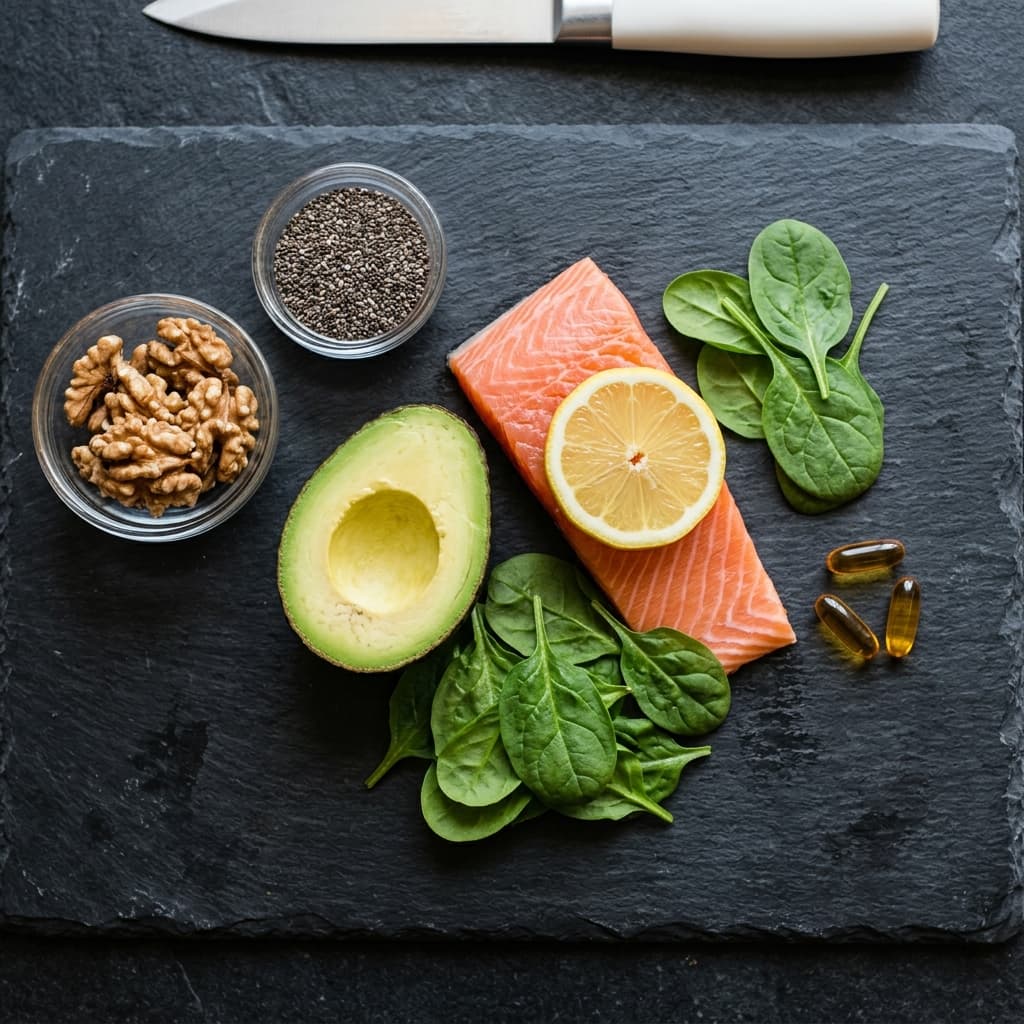
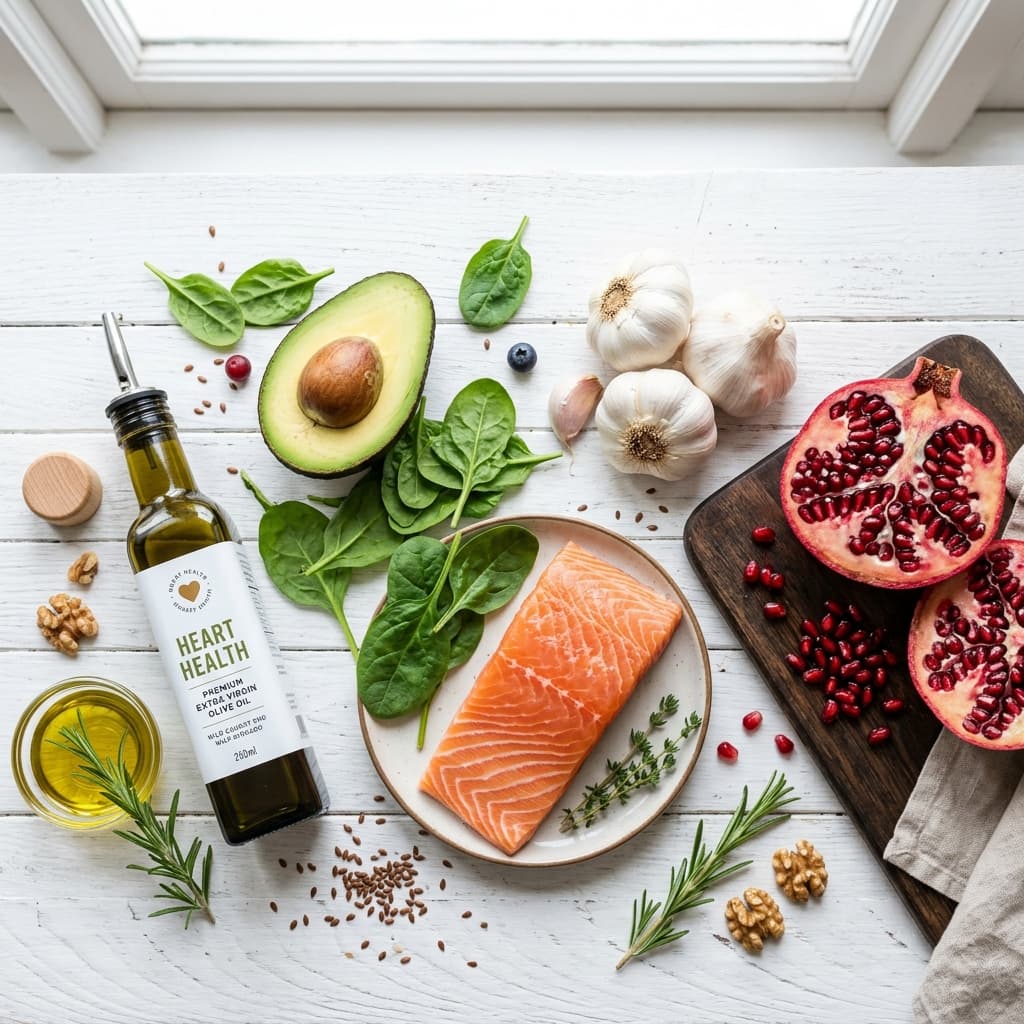
- Healthy Fats: Ingredients like avocado, walnuts, and olive oil provide essential fatty acids that support brain health—critical for reaction times and on-field decision-making.
The 7-Day Performance Schedule
| Day | Breakfast | Lunch | Dinner | Snack |
|---|---|---|---|---|
| Day 1 | Steel-cut oats with almond butter | Grilled chicken breast & quinoa | Baked salmon & roasted asparagus | Greek yogurt & honey |
| Day 2 | Scrambled eggs with spinach | Turkey wrap with avocado | Lean beef stir-fry & broccoli | Apple slices & peanut butter |
| Day 3 | Greek yogurt with blueberries | Herb-roasted chicken & lemon rice | Cod fillets with sautéed kale | Almonds & dark chocolate |
| Day 4 | Whole grain toast with eggs | Lentil soup & sourdough | Grilled sirloin & sweet potato | Cottage cheese & pineapple |
| Day 5 | Protein smoothie & banana | Tuna salad on whole wheat | Lemon-herb chicken & quinoa | Handful of walnuts |
| Day 6 | Oatmeal with chia seeds | Grilled chicken salad | White fish & roasted carrots | Hard-boiled eggs |
| Day 7 | Scrambled eggs & peppers | Leftover sirloin & rice | Baked salmon & steamed greens | Protein bar |
Stewart's Culinary Coaching Tips
Master the "Sunday Prep": Spend 90 minutes on Sunday afternoon roasting two chickens, boiling a big pot of quinoa, and hard-boiling eggs. Having these pre-cooked staples means you can assemble a nutrient-dense meal in under five minutes on a busy weekday evening. When you hear the sizzle of the pan as you reheat your chicken with a splash of water, you’ll be glad you did the heavy lifting on the weekend.
Flavor Variations and Swaps
Cooking should be flexible. If you’re bored with the protein options, swap the chicken breast for turkey cutlets or extra-firm tofu marinated in soy and ginger. For those who need a lower-carb option, double the portion of roasted broccoli or sautéed greens instead of the rice or quinoa. If you’re vegan, swapping the Greek yogurt for a high-protein soy alternative and the eggs for a chickpea scramble works wonders while maintaining your essential amino acid intake.
Storage and Reheating Strategy
Invest in good-quality glass containers. They don't stain, they don't hold odors, and they are microwave safe. When reheating, I always recommend adding a tiny splash of water or broth to your grains and proteins. This prevents them from drying out. If you’re reheating salmon, do it gently on low heat to keep it tender. Your goal is to preserve the integrity of the food you spent time preparing.
Warning: Fueling Traps
Stay far away from "performance" products that list high-fructose corn syrup or hydrogenated oils as the first three ingredients. These cause inflammation, which is the last thing you want after a hard training session. If you can't pronounce an ingredient, it’s probably not serving your athletic goals.
At the end of the day, remember that consistency beats intensity. You aren't just training for a single game or a single season; you are building a relationship with food that will serve your health for the rest of your life. Stay curious in the kitchen, keep your spice cabinet stocked, and enjoy the process of becoming your best self.
Frequently Asked Questions
Can I customize this if I have a busy school schedule?▼
Absolutely. Focus on "grab-and-go" prep. Mason jar salads (dressing at the bottom, greens at the top) or overnight oats are perfect for athletes who need to eat between classes or right before an after-school practice.
How do I know if I'm eating enough calories?▼
Listen to your body. If you’re feeling lethargic, experiencing brain fog, or recovering slowly, it’s a sign you need more volume. Increase your complex carb intake first—a larger serving of sweet potato or quinoa is usually the missing link.
Is there an ideal time to eat before training?▼
Aim for a balanced meal 2-3 hours before your session. If you’re within 60 minutes of training, keep it simple: a piece of fruit or a small slice of toast is much easier to digest than a full bowl of fiber-rich grains.
Get the Full Guide
Download the complete PDF version including grocery lists and meal prep instructions for easy printing and offline reading.

Stewart Lucas
Nutritionist & Recipe DeveloperStewart Lucas is a nutritionist and recipe developer representing the NutriGuide team. All articles, dietary guidelines, and meal plans published on this site are designed and audited by certified dietitians and clinical nutrition professionals to guarantee absolute accuracy.
Explore More


Community Reviews
Please log in to leave a review.