Baked Cod with Sweet Potato Mash
The Story
This healthy Baked Cod with Sweet Potato Mash recipe is a clean eating meal option rich in nutrients. Optimized for Gluten-Free, Dairy-Free, Muscle Maintenance, Heart Healthy, Cod and created by certified nutritionist Stewart Lucas, it is designed to fit seamlessly into a health-focused lifestyle.
Baked Cod with Sweet Potato Mash
Quick Summary
This dish is a masterclass in clean eating without sacrificing comfort. You get the delicate, flaky, mild profile of baked cod paired with the velvety, earthy sweetness of a spiced potato mash. It is high in protein, rich in complex carbohydrates, and comes together in under 30 minutes—the ultimate weeknight win for your busy schedule.
The Story Behind the Dish
I remember the first time I really embraced the concept of "simple is better." I was exhausted after a long day in the kitchen, staring at a handful of ingredients in my pantry. Cod is often overlooked because it is so lean, but that is exactly why I love it. It is a clean canvas that takes on the brightness of lemon and the punch of garlic beautifully.
When you pair that clean protein with the grounding, warming nature of sweet potatoes, you create a meal that hits every sensory note. The mash is creamy and smooth, the fish is tender, and that tiny hint of smoked paprika? It brings a gentle hum of warmth that connects the sweetness of the potatoes to the saltiness of the sea-kissed fish. It is not just dinner; it is a grounding experience for your body.
Ingredients
For the best results, look for wild-caught cod that is firm to the touch. If you can find it at your local fishmonger, ask for "thick-cut" loins—they stay succulent far longer than thin tails.
- 4 Cod fillets (6oz each)
- 2 large Sweet potatoes, peeled and cut into 1-inch cubes
- 2 tbsp Extra virgin olive oil (plus a little extra for drizzling)
- 1 large Lemon, thinly sliced into rounds
- 2 cloves Garlic, finely minced
- 1 tsp Smoked paprika
- 1/4 cup Fresh parsley, finely chopped
- Sea salt and freshly cracked black pepper to taste
The Cooking Process
Start by getting your oven preheated to 400°F. A hot oven is essential here; we want the cod to bake quickly, locking in its juices before it has a chance to dry out.
1. Preparing the Mash
Place your sweet potato cubes in a pot of cold salted water. Bring to a boil, then lower the heat. Let them simmer until they are fork-tender. You want them to yield completely when pierced—no resistance left. Drain them well, then return them to the pot to let the excess steam evaporate for a minute. Add your olive oil, sea salt, and smoked paprika. Mash until you reach your desired consistency. I prefer a slightly rustic texture, but you can go for a pureed finish if you like.
2. The Baking Method
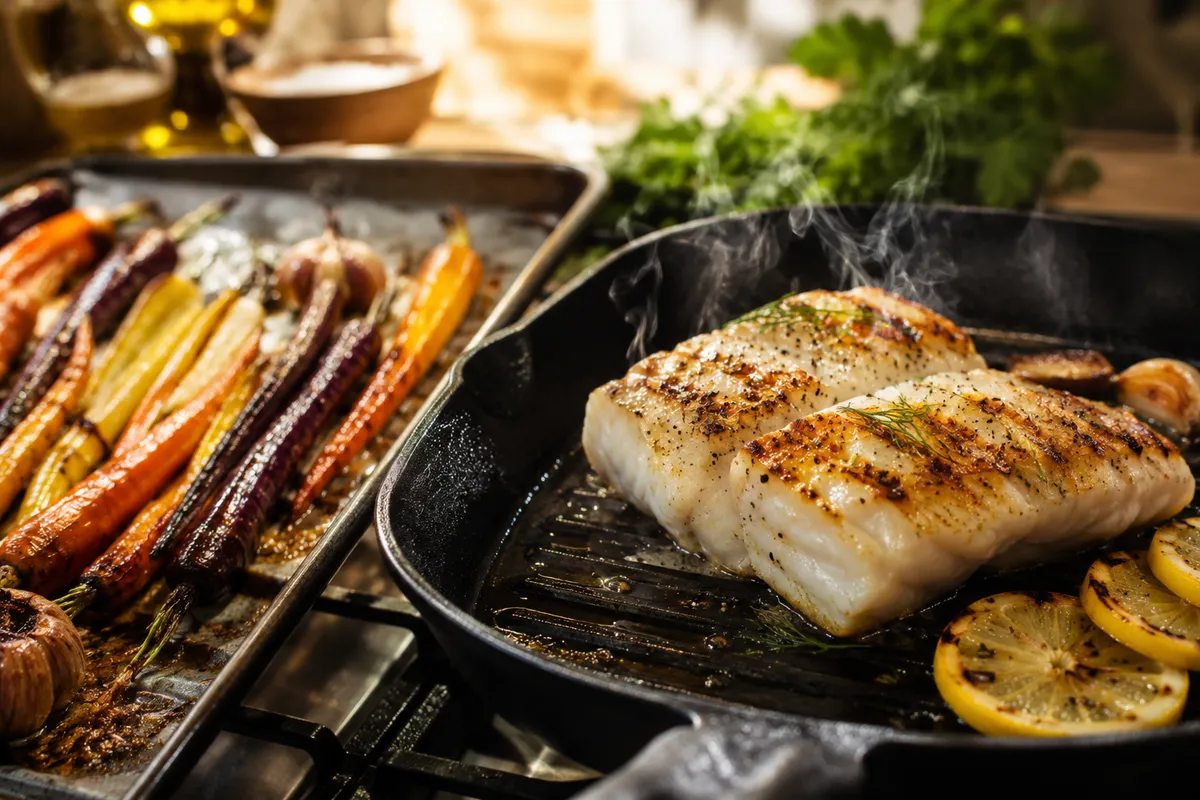
Pat your cod fillets dry with a paper towel. This is a non-negotiable step; moisture on the surface creates steam, and we want to roast the fish, not boil it. Arrange the fish on a parchment-lined baking sheet. Drizzle with olive oil, rub in the minced garlic, and top each piece with those thin lemon slices. The lemon serves a dual purpose: it infuses the flesh with citrus oils and acts as a shield to keep the fish moist.
3. Finishing Touches
Slide the fish into the oven. It will usually need 10 to 12 minutes, depending on the thickness of your fillets. You’ll know it's ready when the fish is pearlescent and pulls apart into clean, white flakes. If you have a kitchen thermometer, look for an internal temp of 145°F. Serve immediately over a generous mound of the potato mash, garnished with plenty of fresh parsley for that pop of color and herbaceous brightness.
Nutritional Science & Benefits
Cod is a nutritional powerhouse. It is exceptionally low in fat and calories, making it a perfect lean protein source for muscle maintenance. It is also packed with Vitamin B12 and selenium, which support brain health and metabolic function.
Sweet potatoes provide the perfect counterbalance. Unlike white potatoes, they are loaded with beta-carotene, a powerful antioxidant. The fiber in sweet potatoes also helps regulate your blood sugar response, ensuring you don't experience a massive energy crash after your meal.
Stewart's Culinary Coaching Tips
The Potato Secret: If your mash feels a bit stiff, never reach for butter or cream first. Instead, reserve about two tablespoons of the potato cooking water. Adding it back into the mash creates a luscious, glossy texture without the need for heavy dairy fats. It keeps the dish light and highlights the natural, earthy sweetness of the potatoes.
Don't Overcook: Fish can go from "perfectly cooked" to "rubbery" in less than a minute. If you are unsure, err on the side of caution. If it isn't flaking, give it another 60 seconds. You want that melt-in-your-mouth tenderness.
Flavor Variations
Feel free to make this recipe your own based on what is in your kitchen:
The Mediterranean Twist
Swap the smoked paprika for a teaspoon of dried oregano and add a handful of kalamata olives to the baking sheet during the last 3 minutes of cooking.
The Low-Carb Swap
Replace the sweet potato with mashed cauliflower. Steam the cauliflower florets, then blend with a touch of olive oil and roasted garlic. It offers a similar velvety texture with a lower glycemic load.
The Zest Factor
If you love heat, add a pinch of red pepper flakes to the cod seasoning or stir a teaspoon of Dijon mustard into the sweet potato mash for a sharp, tangy contrast.
Meal Prep & Storage Guide
This dish is fantastic for meal prep because the components hold up very well. You can boil and mash the sweet potatoes up to three days in advance; just keep them in an airtight container in the fridge. When you're ready to serve, reheat the mash in a saucepan over low heat, adding a splash of water to loosen it up.
For the fish, I strongly recommend cooking it fresh whenever possible, as fish texture degrades quickly once reheated. However, if you have leftovers, store them in the fridge for up to 48 hours. To reheat, place the fish in a baking dish with a tiny splash of water, cover tightly with foil, and warm it in a 300°F oven for about 8–10 minutes.
This healthy Baked Cod with Sweet Potato Mash recipe is a clean eating meal option rich in nutrients. Optimized for Gluten-Free, Dairy-Free, Muscle Maintenance, Heart Healthy, Cod and created by certified nutritionist Stewart Lucas, it is designed to fit seamlessly into a health-focused lifestyle.
Key Takeaways
- ✓100% gluten-free ingredients suitable for celiac or gluten-sensitive diets.
- ✓Vetted recipe compliant with a balanced dairy-free dietary lifestyle.
- ✓Vetted recipe compliant with a balanced muscle maintenance dietary lifestyle.
- ✓Supports cardiovascular health with high-quality fats and low sodium.
Baked Cod with Sweet Potato Mash
This healthy Baked Cod with Sweet Potato Mash recipe is a clean eating meal option rich in nutrients. Optimized for Gluten-Free, Dairy-Free, Muscle Maintenance, Heart Healthy, Cod and created by certified nutritionist Stewart Lucas, it is designed to fit seamlessly into a health-focused lifestyle.
Macro Nutrition Profile (Per Serving)
Ingredients
Ingredient Substitutions
| Original Ingredient | Healthy Alternative |
|---|---|
| Salmon/Cod | Steelhead trout, halibut, or sea bass (baking times may vary) |
| Asparagus/Veg | Zucchini slices, broccoli florets, or green beans (roast at same temperature) |
Instructions
This healthy Baked Cod with Sweet Potato Mash recipe is a clean eating meal option rich in nutrients. Optimized for Gluten-Free, Dairy-Free, Muscle Maintenance, Heart Healthy, Cod and created by certified nutritionist Stewart Lucas, it is designed to fit seamlessly into a health-focused lifestyle.
Tried this recipe?
Let us know how it turned out! Click a star below to leave a review and rate the recipe.
Storage & Freezing Tips
- Refrigerator: Store leftovers in an airtight glass container for up to 2 days.
- Reheating: Warm gently in a skillet on medium-low heat with a lid to keep the fish tender. Avoid microwaving to prevent rubbery texture.
- Freezing: We do not recommend freezing cooked fish as it degrades the texture.
Frequently Asked Questions
Can I use a different white fish?▼
Absolutely. Halibut is a wonderful, firmer option if you can find it. Haddock is another great, sustainable choice that flakes beautifully. Avoid thinner, more delicate fish like sole for this particular preparation, as they tend to overcook too quickly in the oven.
Why does my cod taste dry?▼
Usually, this comes down to one of two things: the fish was overcooked or it wasn't fresh to begin with. Ensure your oven is fully preheated before putting the tray in, and keep a close eye on the clock. If your fillets are thin, check them at the 9-minute mark.
Is this meal freezer-friendly?▼
I don't recommend freezing the cooked cod. The cell structure of the fish changes once frozen and thawed, leading to a mushy texture when reheated. The sweet potato mash, however, freezes perfectly. Keep it in a freezer-safe bag, remove as much air as possible, and it will keep for up to a month.
Can I add more vegetables to this?▼
Definitely! You can toss some thin asparagus spears or bell pepper strips onto the baking sheet alongside the cod. They will roast in the same amount of time, turning this into a complete "one-pan" meal.
Tried this recipe?
Tag @stewartlucas on Instagram and hashtag it #nutriguide!
You Might Also Like

Stewart Lucas
Nutritionist & Recipe DeveloperStewart Lucas is a nutritionist and recipe developer representing the NutriGuide team. All recipes, nutritional values, and diet protocols published on this site are designed and audited by certified dietitians and clinical nutrition professionals to guarantee absolute accuracy.
Community Reviews
Please log in to leave a review.