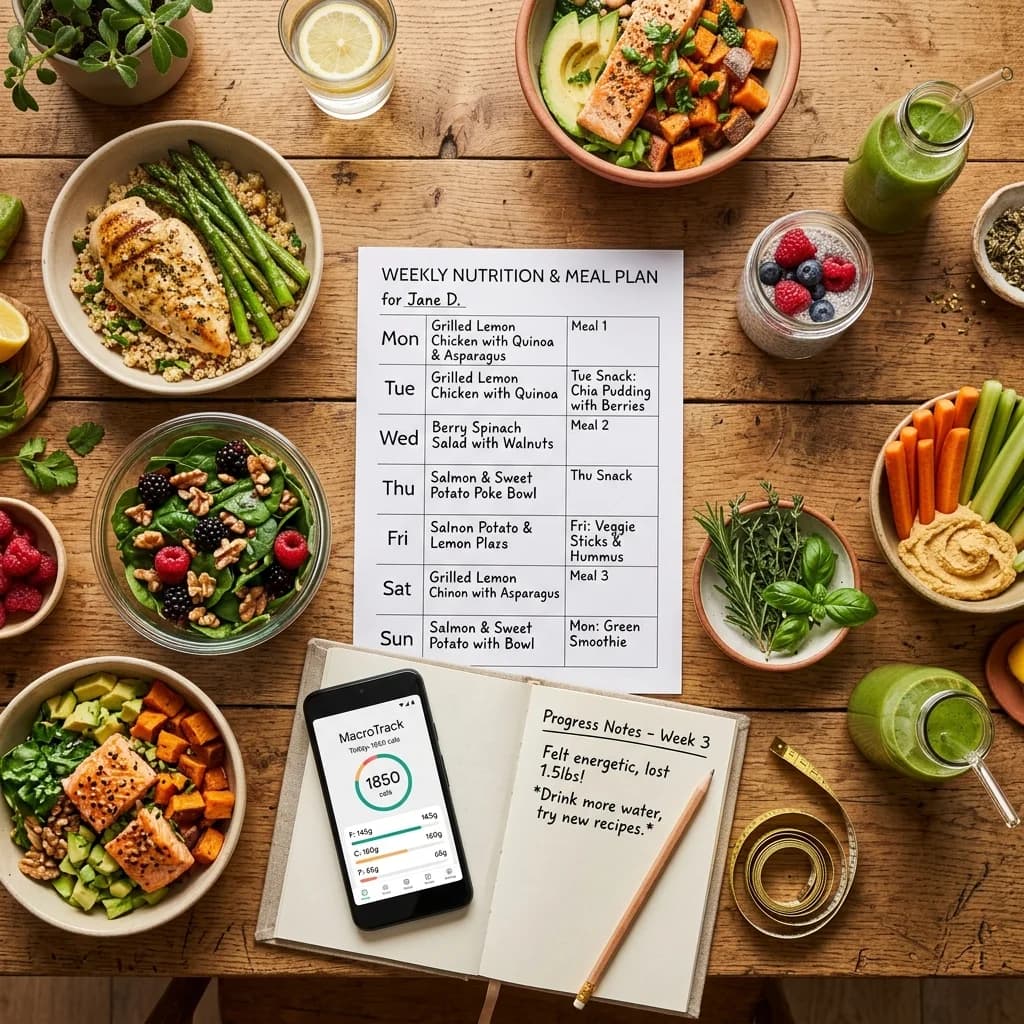
Baked Salmon with Roasted Asparagus
The Story
This healthy Baked Salmon with Roasted Asparagus recipe is a clean eating meal option rich in nutrients. Optimized for Salmon, Asparagus, Gluten-Free, Keto, Low-Carb and created by certified nutritionist Stewart Lucas, it is designed to fit seamlessly into a health-focused lifestyle.
Baked Salmon with Roasted Asparagus: A Lesson in Simple Elegance
Quick Summary
This sheet-pan meal is the foundation of a healthy kitchen. Combining high-quality omega-3 rich salmon with tender, fiber-packed asparagus creates a balanced, protein-dense dinner. It comes together in under 30 minutes, offering a restaurant-quality experience with minimal cleanup.
The Beauty of Simplicity
I often tell my coaching clients that the most intimidating part of cooking healthy is the perceived effort. We think wellness requires hours in the kitchen, but the truth is usually found in a hot oven and a single sheet pan. This baked salmon and asparagus recipe is a staple in my own rotation. It’s not just about the nutrition; it’s about the sensory experience of watching the salmon fat gently render while the asparagus tips become golden and crisp.
When you slide that tray into the oven, the house fills with the clean, bright scent of lemon and the earthy, savory aroma of roasting garlic. It is honest food. It is food that fuels your body without leaving you feeling weighed down. Whether you’re cooking for a busy Tuesday night or treating yourself to a quiet, sophisticated solo dinner, this dish proves that you don't need complexity to achieve perfection.
The Ingredients
Quality ingredients are the lifeblood of this recipe. Because the ingredient list is so short, each component has nowhere to hide.
- 4 Salmon fillets (6oz each): Try to source wild-caught if your budget allows. The flavor is deeper, and the texture is firmer.
- 1 bunch fresh asparagus: Look for stalks that are firm and snap when bent. Avoid anything woody or wilted.
- 2 tbsp extra-virgin olive oil: Use a high-quality oil for that fruity, peppery finish.
- 2 cloves garlic: Freshly minced is non-negotiable here; the dried stuff just can't replicate that aromatic punch.
- 1 lemon: Thinly sliced to create a citrus steam bath for the fish.
- Sea salt and cracked black pepper: Seasoning is the bridge between a bland meal and a memorable one.
- 1 tbsp fresh dill: A touch of green brightness to finish the plate.
The Method
- Preheat and Prep: Set your oven to 400°F (200°C). Line a heavy-duty baking sheet with parchment paper. This isn't just for ease; it ensures the bottom of the salmon doesn't stick and preserves the delicate juices.
- Season the Asparagus: Place the trimmed asparagus on one side of the tray. Drizzle with olive oil, minced garlic, a generous pinch of sea salt, and black pepper. Use your hands to toss them until every spear is glistening. Spread them out so they have room to breathe; if they’re crowded, they’ll steam instead of roast.
- Prepare the Salmon: Nestle the salmon fillets on the other side of the tray. Pat the tops dry with a paper towel—this is crucial for getting that beautiful, light browning. Brush with a little olive oil, season, and lay the lemon slices across the tops.
- The Bake: Slide the tray into the center rack. Bake for 12–15 minutes. You are looking for the salmon to transition from translucent to an opaque, light pink. If you have a thermometer, aim for 145°F at the thickest part. The asparagus should be tender-crisp, with the tips just starting to turn a deep, charred green.
Stewart’s Secret
Don't just serve it straight out of the oven. Let the salmon rest for two minutes. This allows the heat to redistribute and the proteins to relax, resulting in a much silkier texture. Right before you plate, drizzle a tiny bit of high-quality finishing olive oil and add a fresh sprinkle of dill or zest. It’s those finishing touches that turn a home-cooked meal into a dining experience.
Nutritional Science & Benefits
Why this works for your body
Salmon is a nutritional powerhouse. It is one of the best sources of long-chain omega-3 fatty acids (EPA and DHA), which are essential for heart health, reducing inflammation, and supporting cognitive function. Combined with asparagus—which provides a significant dose of folate, vitamins A, C, and K, and prebiotic fibers—you are looking at a meal that supports gut health and sustained energy levels without the glucose spikes often associated with heavier, starch-laden dinners.
Flavor Variations
If you want to shake things up, here are a few ways to keep the concept but shift the profile:
The Mediterranean Twist
Add halved cherry tomatoes and pitted Kalamata olives to the tray with the asparagus.
The Asian Influence
Swap the dill for a glaze of ginger, soy sauce, and a touch of honey or maple syrup. Use sesame oil for the asparagus.
The Herb-Crusted Approach
Mix almond flour with fresh parsley and lemon zest, then press it onto the top of the salmon before baking for a satisfying, crunchy crust.
Meal Prep & Storage Guide
This dish is fantastic for meal prep. Store leftovers in an airtight glass container for up to 3 days in the refrigerator. When reheating, avoid the microwave if possible; instead, place the salmon and asparagus in a small skillet over low heat with a teaspoon of water, cover it, and steam for 3-4 minutes. This prevents the fish from drying out. I don't recommend freezing this dish, as the texture of the asparagus changes significantly upon thawing.
Nutrition Snapshot
| Metric | Value |
|---|---|
| Calories | 450 kcal |
| Protein | 42g |
| Fat | 28g |
| Carbohydrates | 8g |
This healthy Baked Salmon with Roasted Asparagus recipe is a clean eating meal option rich in nutrients. Optimized for Salmon, Asparagus, Gluten-Free, Keto, Low-Carb and created by certified nutritionist Stewart Lucas, it is designed to fit seamlessly into a health-focused lifestyle.
Key Takeaways
- ✓Vetted recipe compliant with a balanced salmon dietary lifestyle.
- ✓Vetted recipe compliant with a balanced asparagus dietary lifestyle.
- ✓100% gluten-free ingredients suitable for celiac or gluten-sensitive diets.
- ✓Vetted recipe compliant with a balanced keto dietary lifestyle.
Baked Salmon with Roasted Asparagus
This healthy Baked Salmon with Roasted Asparagus recipe is a clean eating meal option rich in nutrients. Optimized for Salmon, Asparagus, Gluten-Free, Keto, Low-Carb and created by certified nutritionist Stewart Lucas, it is designed to fit seamlessly into a health-focused lifestyle.
Macro Nutrition Profile (Per Serving)
Ingredients
Ingredient Substitutions
| Original Ingredient | Healthy Alternative |
|---|---|
| Salmon/Cod | Steelhead trout, halibut, or sea bass (baking times may vary) |
| Asparagus/Veg | Zucchini slices, broccoli florets, or green beans (roast at same temperature) |
Instructions
Preheat and Prep: Set your oven to 400°F (200°C). Line a heavy-duty baking sheet with parchment paper. This isn't just for ease; it ensures the bottom of the salmon doesn't stick and preserves the delicate juices.
Season the Asparagus: Place the trimmed asparagus on one side of the tray. Drizzle with olive oil, minced garlic, a generous pinch of sea salt, and black pepper. Use your hands to toss them until every spear is glistening. Spread them out so they have room to breathe; if they’re crowded, they’ll steam instead of roast.
Prepare the Salmon: Nestle the salmon fillets on the other side of the tray. Pat the tops dry with a paper towel—this is crucial for getting that beautiful, light browning. Brush with a little olive oil, season, and lay the lemon slices across the tops.
The Bake: Slide the tray into the center rack. Bake for 12–15 minutes. You are looking for the salmon to transition from translucent to an opaque, light pink. If you have a thermometer, aim for 145°F at the thickest part. The asparagus should be tender-crisp, with the tips just starting to turn a deep, charred green.
Tried this recipe?
Let us know how it turned out! Click a star below to leave a review and rate the recipe.
Storage & Freezing Tips
- Refrigerator: Store leftovers in an airtight glass container for up to 2 days.
- Reheating: Warm gently in a skillet on medium-low heat with a lid to keep the fish tender. Avoid microwaving to prevent rubbery texture.
- Freezing: We do not recommend freezing cooked fish as it degrades the texture.
Frequently Asked Questions
How do I know when the salmon is cooked through?▼
The best indicator is the flake. Use a fork to gently press down on the thickest part of the fillet; if it separates easily along the natural white lines, it’s done. If it still feels firm or rubbery, give it another two minutes.
Can I use frozen salmon fillets?▼
Absolutely, but quality is key. Thaw them completely in the refrigerator overnight. Once thawed, pat them extremely dry with paper towels. Any excess moisture on the surface will prevent the salmon from roasting properly, leading to a steamed, mushy texture.
Is this dish truly keto-friendly?▼
Yes. This meal is naturally low in carbohydrates and rich in healthy fats and proteins, making it an excellent choice for a ketogenic or low-carb lifestyle. There are no hidden sugars or starches here.
What if I don't have asparagus?▼
You can easily substitute with other roasting vegetables like broccoli florets, zucchini coins, or green beans. Just keep in mind that different vegetables have different roasting times; broccoli may take a few minutes longer, while zucchini might finish a bit faster.
Tried this recipe?
Tag @stewartlucas on Instagram and hashtag it #nutriguide!
You Might Also Like

Stewart Lucas
Nutritionist & Recipe DeveloperStewart Lucas is a nutritionist and recipe developer representing the NutriGuide team. All recipes, nutritional values, and diet protocols published on this site are designed and audited by certified dietitians and clinical nutrition professionals to guarantee absolute accuracy.
Community Reviews
Please log in to leave a review.