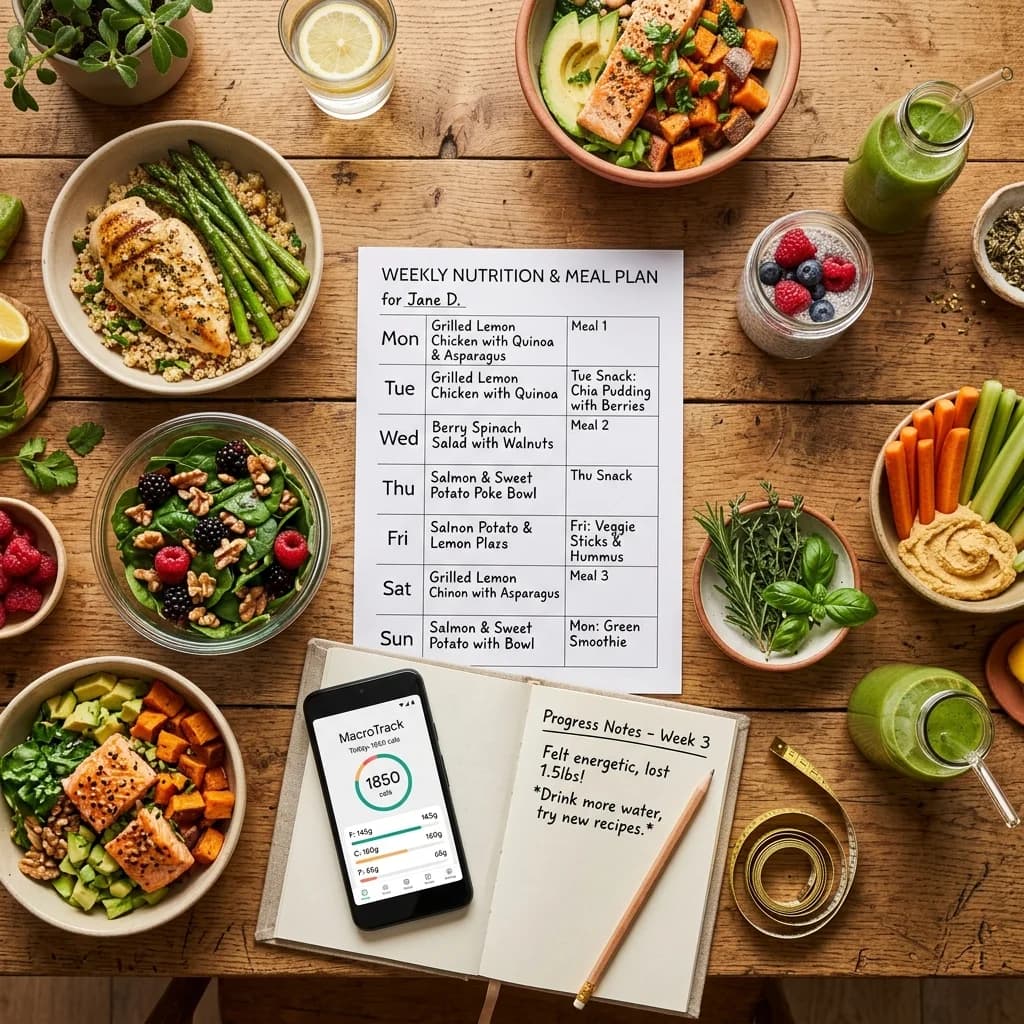
Baked Wild Salmon with Roasted Asparagus
The Story
This healthy Baked Wild Salmon with Roasted Asparagus recipe is a clean eating meal option rich in nutrients. Optimized for Salmon, Asparagus, Heart Healthy, Anti-Inflammatory, Keto and created by certified nutritionist Stewart Lucas, it is designed to fit seamlessly into a health-focused lifestyle.
Quick Summary & Key Takeaways
This single-pan roasted wild salmon with asparagus is the ultimate weeknight solution. It delivers high-quality protein and healthy fats with minimal cleanup. By roasting everything together, the juices from the salmon lightly steam the asparagus, creating a perfect balance of textures in just 25 minutes.
Why This Dish Matters
I remember the first time I taught a client how to balance a plate. They were terrified of over-complicating their dinner. We stood in their kitchen, the oven preheating, and I pulled out nothing but a sheet pan, a side of wild salmon, and a bundle of green, snappy asparagus. There is something profoundly grounding about a meal that relies on so few ingredients yet tastes like it took hours of preparation.
Wild salmon isn't just protein; it is a nutritional powerhouse. When you pair it with the earthiness of roasted asparagus, you get a beautiful marriage of flavors. The salmon turns buttery and rich, while the tips of the asparagus get just a little crispy, providing that satisfying snap that tells your brain, "this is fresh." It’s elegant enough for a guest, yet simple enough to make after a long, draining workday.
The Ingredients
Quality makes all the difference here. Since we are using so few components, make sure they are the best you can find.
- 4 (6oz) wild-caught salmon fillets: Aim for uniform thickness so they cook evenly.
- 1 lb fresh asparagus: Look for firm stalks; avoid any that look woody or limp at the base.
- 2 tbsp extra virgin olive oil: Use a high-quality cold-pressed oil to help the seasonings adhere.
- 2 cloves fresh garlic, minced: Fresh is non-negotiable here; the aroma of raw garlic hitting hot oil is a sensory highlight.
- 1 tsp flaky sea salt: To brighten the natural flavors of the fish.
- 1/2 tsp cracked black pepper: For that subtle, grounding warmth.
- 1 large lemon: Thinly sliced into rounds for roasting, plus extra wedges for serving.
- 1 tbsp fresh dill: Fresh herbs add a floral, grassy note that balances the richness of the salmon.
Nutritional Science: The Salmon Advantage
Wild-caught salmon is significantly lower in inflammatory omega-6 fats compared to its farm-raised counterparts and richer in the omega-3 fatty acids EPA and DHA. These are essential for brain health and heart function. The asparagus acts as a natural prebiotic, supporting a healthy gut microbiome, while the vitamin C in your lemon garnish actually helps your body absorb the iron found in the greens.
Method: The Art of the Sheet Pan
- Prep and Preheat: Set your oven to 400°F. Line a sturdy baking sheet with parchment paper. This isn't just for easy cleanup; it ensures the bottom of the salmon doesn't stick and tear.
- Arrange: Place your salmon fillets in the center of the pan. Arrange your trimmed asparagus spears in a single layer around the salmon. If you crowd the asparagus, it will steam instead of roast—give them a little room to breathe.
- Season: Drizzle the olive oil over everything. Use your hands to toss the asparagus so it’s glistening. Rub the minced garlic, salt, and pepper directly onto the salmon flesh.
- Layer: Place your lemon slices directly on top of the salmon. As the fish cooks, the lemon juices will seep into the fibers, keeping the fish moist and infused with that citrus aroma.
- Roast: Slide the pan into the middle rack. Roast for 12–15 minutes. You’ll know it’s ready when the salmon turns an opaque, light pink and flakes perfectly under the gentle pressure of a fork.
Flavor Variations
The Mediterranean Twist
Swap the dill for fresh oregano and add a handful of kalamata olives to the pan before roasting.
Spicy Kick
Sprinkle a pinch of crushed red pepper flakes over the salmon before cooking for a gentle, warming heat.
The Low-Carb Crunch
Toss the asparagus with a tablespoon of toasted pine nuts after roasting for an extra layer of healthy fats and texture.
Meal Prep & Storage
Salmon is best eaten fresh, but if you have leftovers, store them in an airtight container in the refrigerator for up to 48 hours. To reheat, I recommend a toaster oven set to 300°F. Add a splash of water to the container to create a bit of steam, which prevents the fish from turning tough or "fishy" upon reheating.
Nutrition Snapshot
| Nutrient | Amount per Serving |
|---|---|
| Calories | 450 kcal |
| Protein | 42g |
| Fat | 28g |
| Carbohydrates | 6g |
| Fiber | 3g |
This healthy Baked Wild Salmon with Roasted Asparagus recipe is a clean eating meal option rich in nutrients. Optimized for Salmon, Asparagus, Heart Healthy, Anti-Inflammatory, Keto and created by certified nutritionist Stewart Lucas, it is designed to fit seamlessly into a health-focused lifestyle.
Key Takeaways
- ✓Vetted recipe compliant with a balanced salmon dietary lifestyle.
- ✓Vetted recipe compliant with a balanced asparagus dietary lifestyle.
- ✓Supports cardiovascular health with high-quality fats and low sodium.
- ✓Formulated with foods rich in antioxidants to minimize systemic inflammation.
Baked Wild Salmon with Roasted Asparagus
This healthy Baked Wild Salmon with Roasted Asparagus recipe is a clean eating meal option rich in nutrients. Optimized for Salmon, Asparagus, Heart Healthy, Anti-Inflammatory, Keto and created by certified nutritionist Stewart Lucas, it is designed to fit seamlessly into a health-focused lifestyle.
Macro Nutrition Profile (Per Serving)
Ingredients
Ingredient Substitutions
| Original Ingredient | Healthy Alternative |
|---|---|
| Salmon/Cod | Steelhead trout, halibut, or sea bass (baking times may vary) |
| Asparagus/Veg | Zucchini slices, broccoli florets, or green beans (roast at same temperature) |
Instructions
Prep and Preheat: Set your oven to 400°F. Line a sturdy baking sheet with parchment paper. This isn't just for easy cleanup; it ensures the bottom of the salmon doesn't stick and tear.
Arrange: Place your salmon fillets in the center of the pan. Arrange your trimmed asparagus spears in a single layer around the salmon. If you crowd the asparagus, it will steam instead of roast—give them a little room to breathe.
Season: Drizzle the olive oil over everything. Use your hands to toss the asparagus so it’s glistening. Rub the minced garlic, salt, and pepper directly onto the salmon flesh.
Layer: Place your lemon slices directly on top of the salmon. As the fish cooks, the lemon juices will seep into the fibers, keeping the fish moist and infused with that citrus aroma.
Roast: Slide the pan into the middle rack. Roast for 12–15 minutes. You’ll know it’s ready when the salmon turns an opaque, light pink and flakes perfectly under the gentle pressure of a fork.
Tried this recipe?
Let us know how it turned out! Click a star below to leave a review and rate the recipe.
Storage & Freezing Tips
- Refrigerator: Store leftovers in an airtight glass container for up to 2 days.
- Reheating: Warm gently in a skillet on medium-low heat with a lid to keep the fish tender. Avoid microwaving to prevent rubbery texture.
- Freezing: We do not recommend freezing cooked fish as it degrades the texture.
Frequently Asked Questions
How do I know exactly when the salmon is done?▼
Use the "fork test." Insert a fork into the thickest part of the fillet and twist gently. If it flakes easily and looks opaque throughout, it is ready. If you prefer precision, the internal temperature should read 145°F on a digital thermometer.
Can I use frozen salmon fillets?▼
Yes, but you must thaw them completely in the refrigerator overnight. Pat them very dry with paper towels before adding the olive oil and seasoning, or they will steam and lose their texture.
Can I make this vegan?▼
While this is a salmon recipe, you can swap the fish for thick-cut slabs of firm tofu or even large portobello mushroom caps. Marinate them in the same lemon, garlic, and oil mixture for 30 minutes before roasting.
What if I don't like asparagus?▼
Broccolini, sliced zucchini, or green beans are excellent alternatives. They have similar roasting times and hold up beautifully on a high-heat sheet pan.
Tried this recipe?
Tag @stewartlucas on Instagram and hashtag it #nutriguide!
You Might Also Like

Stewart Lucas
Nutritionist & Recipe DeveloperStewart Lucas is a nutritionist and recipe developer representing the NutriGuide team. All recipes, nutritional values, and diet protocols published on this site are designed and audited by certified dietitians and clinical nutrition professionals to guarantee absolute accuracy.
Community Reviews
Please log in to leave a review.