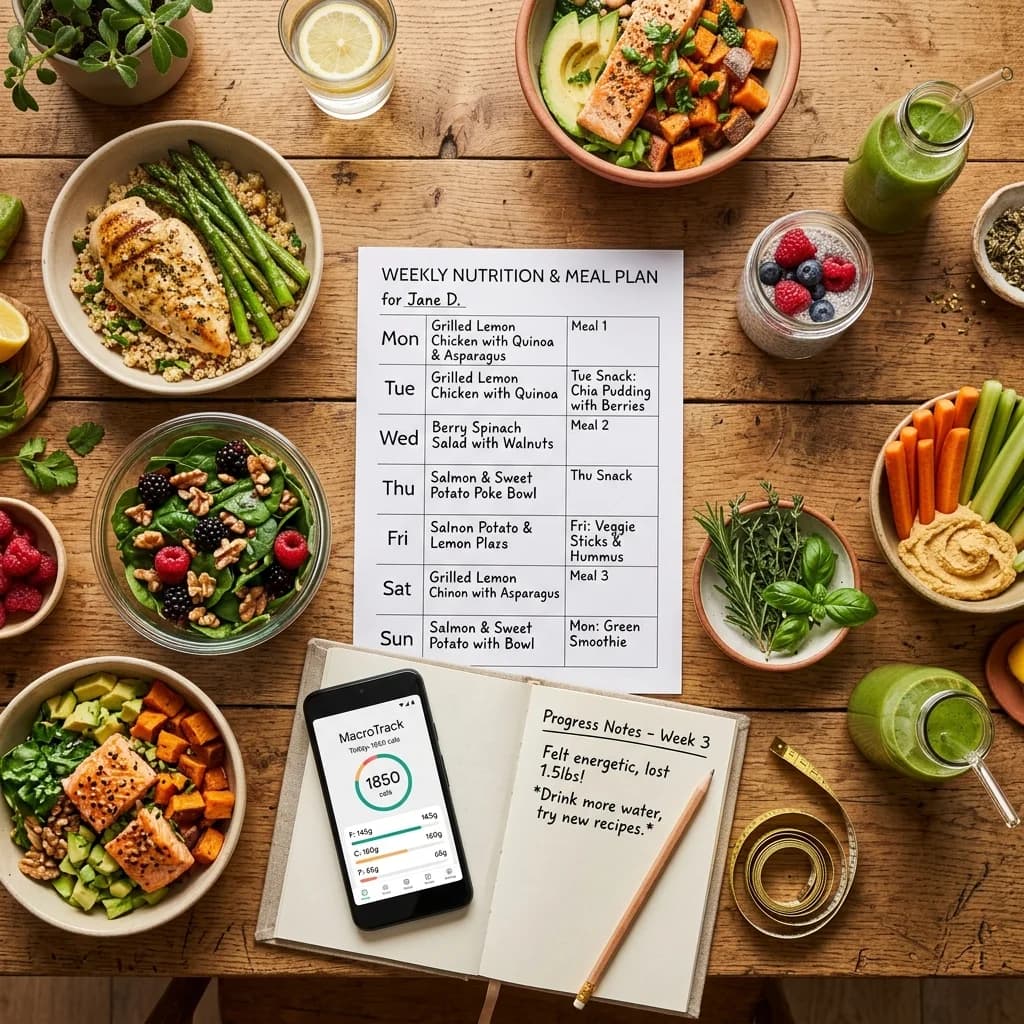
Carrot Sticks and Hummus Recipe
The Story
This healthy Carrot Sticks and Hummus Recipe recipe is a clean eating meal option rich in nutrients. Optimized for Vegan, Vegetarian, Gluten-Free, Dairy-Free, snacks and created by certified nutritionist Stewart Lucas, it is designed to fit seamlessly into a health-focused lifestyle.
Fresh Carrot Sticks with Creamy Homemade Hummus
Key Takeaways
This simple, vibrant snack offers a perfect harmony of textures and essential nutrients. By pairing raw, crisp carrots with a silky, protein-rich hummus, you satisfy your hunger and provide your body with sustained energy. It is an ideal go-to for mid-afternoon slumps or a refreshing pre-dinner appetizer.
The Art of the Perfect Snack
When I think of the ultimate snack, I look for a balance of two things: the satisfying, audible "snap" of fresh produce and the grounding, savory richness of a well-made dip. This combination of chilled, crisp carrot sticks and homemade hummus is a staple in my kitchen. It is humble, simple food that requires no complicated techniques, yet it delivers a level of satisfaction that processed convenience snacks simply cannot match.
There is something inherently restorative about peeling a bunch of fresh, earthy carrots and slicing them into uniform batons. When you drop them into a bowl of ice-cold water, you are essentially "waking them up." The result is a vibrant, crunchy vessel for the creamy, citrus-brightened hummus. I often find that when I take the time to prepare this in the morning, I am far less likely to reach for less nutritious options during a busy workday.
Ingredients
For the Garden-Fresh Carrots
- 4 large, firm carrots (organic if possible, as the skin holds plenty of flavor)
- 1/2 teaspoon high-quality sea salt (for sprinkling)
- Ice water (for the crisping bath)
For the Creamy Hummus
- 1 can (15oz) chickpeas, drained and rinsed thoroughly
- 3 tablespoons tahini (look for a pourable, smooth consistency)
- Juice of 1 large, bright lemon
- 1 clove fresh garlic, smashed and peeled
- 2 tablespoons extra virgin olive oil (plus a little extra for drizzling)
- A pinch of ground cumin or smoked paprika (optional, for depth)
The Preparation
- The Crisp Factor: Peel your carrots and trim the ends. Slice them into 4-inch sticks of uniform thickness. Submerging them in a bowl of ice water for at least 15 minutes is my secret to that glass-like shatter when you bite into them.
- The Base: In your food processor, combine the rinsed chickpeas, tahini, lemon juice, garlic, and salt. If you enjoy a touch of warmth, add a tiny pinch of cumin now.
- The Emulsion: Process the mixture on high. As the blades whir, slowly stream in the olive oil. You will see the texture shift from a grainy mash to a pale, aerated, and luxurious cream. If it feels too stiff, add a single tablespoon of ice-cold water to loosen the consistency.
- The Reveal: Drain your carrots and pat them thoroughly dry with a clean kitchen towel. Arrange them on a platter, drizzle a little extra olive oil over your hummus, and enjoy the contrast of textures immediately.
Stewart's Secret
If you have an extra five minutes, peel the skins off the chickpeas before blending. It sounds tedious, but it eliminates the tiny, papery bits that can make hummus slightly gritty. Removing the skins transforms the dip into a cloud-like texture that feels truly professional.
Nutritional Science & Benefits
Carrots are an exceptional source of beta-carotene, which your body converts into Vitamin A—a crucial nutrient for maintaining healthy vision and robust immune function. When you pair these with the chickpeas in the hummus, you are consuming a complete plant-based protein source paired with healthy monounsaturated fats from the tahini and olive oil. This combination slows the absorption of carbohydrates, ensuring you feel full for longer without a blood sugar spike.
Flavor Variations
Once you master this base recipe, it becomes a canvas for your personal preferences. Here are a few ways I like to switch things up in my own kitchen:
The Herb-Infused Blend
Toss a handful of fresh parsley or cilantro into the food processor at the end of the blend for a vibrant, herbaceous pop of flavor.
The Roasted Beet Twist
Add one small roasted beet to the blender. It turns the hummus a beautiful magenta hue and adds a subtle, earthy sweetness that pairs perfectly with the crunch of the carrots.
The Spicy Kick
If you enjoy heat, add a pinch of crushed red pepper flakes or a teaspoon of harissa paste to the mixture before processing.
Meal Prep & Storage
To keep your carrots snappy for up to three days, store them in a sealed container fully submerged in fresh, cold water. Change the water daily to maintain freshness. The hummus will store beautifully in an airtight glass container in the refrigerator for up to four or five days. In fact, I find the garlic flavor mellows and infuses the chickpeas better after sitting for 24 hours. Just be sure to give it a quick stir and a tiny splash of olive oil before serving to revive the texture.
Nutrition Snapshot
| Nutrient | Approx. Amount |
|---|---|
| Calories | 112 kcal |
| Fat | 6g |
| Carbohydrates | 12g |
| Protein | 4g |
This healthy Carrot Sticks and Hummus Recipe recipe is a clean eating meal option rich in nutrients. Optimized for Vegan, Vegetarian, Gluten-Free, Dairy-Free, snacks and created by certified nutritionist Stewart Lucas, it is designed to fit seamlessly into a health-focused lifestyle.
Key Takeaways
- ✓Entirely plant-based recipe free from animal products or dairy.
- ✓Plant-forward, meat-free meal rich in natural proteins.
- ✓100% gluten-free ingredients suitable for celiac or gluten-sensitive diets.
- ✓Vetted recipe compliant with a balanced dairy-free dietary lifestyle.
Carrot Sticks and Hummus Recipe
This healthy Carrot Sticks and Hummus Recipe recipe is a clean eating meal option rich in nutrients. Optimized for Vegan, Vegetarian, Gluten-Free, Dairy-Free, snacks and created by certified nutritionist Stewart Lucas, it is designed to fit seamlessly into a health-focused lifestyle.
Macro Nutrition Profile (Per Serving)
Ingredients
Ingredient Substitutions
| Original Ingredient | Healthy Alternative |
|---|---|
| Animal protein | Firm tofu, tempeh, or organic chickpeas |
| Cooking fat | Extra virgin olive oil or grass-fed butter |
Instructions
The Crisp Factor: Peel your carrots and trim the ends. Slice them into 4-inch sticks of uniform thickness. Submerging them in a bowl of ice water for at least 15 minutes is my secret to that glass-like shatter when you bite into them.
The Base: In your food processor, combine the rinsed chickpeas, tahini, lemon juice, garlic, and salt. If you enjoy a touch of warmth, add a tiny pinch of cumin now.
The Emulsion: Process the mixture on high. As the blades whir, slowly stream in the olive oil. You will see the texture shift from a grainy mash to a pale, aerated, and luxurious cream. If it feels too stiff, add a single tablespoon of ice-cold water to loosen the consistency.
The Reveal: Drain your carrots and pat them thoroughly dry with a clean kitchen towel. Arrange them on a platter, drizzle a little extra olive oil over your hummus, and enjoy the contrast of textures immediately.
Tried this recipe?
Let us know how it turned out! Click a star below to leave a review and rate the recipe.
Storage & Freezing Tips
- Refrigerator: Store leftovers in an airtight container for up to 3-4 days.
- Reheating: Heat in a saucepan or skillet on medium heat until hot throughout.
- Freezing: Freeze portions in airtight containers for up to 2 months. Reheat directly from frozen or after thawing.
Frequently Asked Questions
Can I use dried chickpeas instead of canned?▼
Certainly. If you prefer to boil your own chickpeas from dry, soak them overnight and cook them until they are very tender. The result will be even creamier than the canned version, though it does require more lead time.
What if I don't have a food processor?▼
A high-speed blender works well, though you may need to use a spatula to scrape down the sides more frequently. If you have neither, you can mash the chickpeas by hand with a fork, though the texture will be rustic and chunky rather than silky smooth.
Are there low-carb alternatives to carrots?▼
Absolutely. If you are watching your carbohydrate intake, try swapping the carrots for sliced cucumber rounds, celery sticks, or raw bell pepper strips. All offer a satisfying crunch with a lower glycemic impact.
Is this snack suitable for a vegan diet?▼
Yes, this is entirely plant-based. Tahini is made simply from ground sesame seeds, and chickpeas provide the structure and protein, making this a perfect vegan-friendly snack.
Tried this recipe?
Tag @stewartlucas on Instagram and hashtag it #nutriguide!
You Might Also Like

Stewart Lucas
Nutritionist & Recipe DeveloperStewart Lucas is a nutritionist and recipe developer representing the NutriGuide team. All recipes, nutritional values, and diet protocols published on this site are designed and audited by certified dietitians and clinical nutrition professionals to guarantee absolute accuracy.
Community Reviews
Please log in to leave a review.