
Flame-Kissed Ribeye with Honey-Glazed Heirloom Roots
The Story
This healthy Flame-Kissed Ribeye with Honey-Glazed Heirloom Roots recipe is a clean eating meal option rich in nutrients. Optimized for non-veg, dinner, Gluten-Free, Muscle Maintenance, Anti-Inflammatory and created by certified nutritionist Stewart Lucas, it is designed to fit seamlessly into a health-focused lifestyle.
Flame-Kissed Ribeye with Honey-Glazed Heirloom Roots
Quick Summary
This recipe brings together the smoky depth of perfectly grilled ribeye with the earthy sweetness of honey-glazed heirloom root vegetables. It's a symphony of flavors and textures, designed to nourish your body and delight your palate. High in protein, rich in fiber, and packed with vibrant nutrients, this dish offers a balanced, deeply satisfying meal that's easier to master than you might think.
A Culinary Embrace: Why This Dish Sings
Hello, wonderful cooks! Stewart Lucas here from NutriGuide. There’s something truly special about a meal that feels both incredibly comforting and wonderfully wholesome, isn't there? This Flame-Kissed Ribeye with Honey-Glazed Heirloom Roots is precisely that. It’s a dish that celebrates the bounty of the earth and the joy of simple, flavorful cooking. Imagine: the rich, savory aroma of a perfectly seared ribeye, kissed by the heat, mingling with the sweet, caramelized scent of roasted carrots and parsnips. That, my friends, is pure kitchen magic.
This isn't just about feeding your body; it's about feeding your soul. It’s about slowing down, connecting with your ingredients, and creating something truly delicious and nourishing. We're balancing the robust richness of quality beef with the vibrant, grounding energy of seasonal root vegetables, all brought together with a touch of golden honey and aromatic rosemary. It's a meal that feels indulgent yet remarkably clean, perfect for a cozy weeknight or an impressive dinner party. Let's get cooking!
The Power on Your Plate: Nutritional Science & Benefits
At NutriGuide, we believe delicious food should always be nutritious. This dish is a powerhouse:
- Ribeye Steak: A fantastic source of high-quality protein, essential for muscle repair and growth. It also provides vital iron for energy, zinc for immune function, and B vitamins for metabolism. Choosing a grass-fed option can further boost beneficial omega-3 fatty acids.
- Heirloom Carrots & Parsnips: These vibrant roots are bursting with dietary fiber, which supports digestive health and helps stabilize blood sugar. Carrots are renowned for beta-carotene, an antioxidant converted to Vitamin A, crucial for vision and immune health. Parsnips offer Vitamin C, K, and folate, contributing to bone health and cell function.
- Raw Honey: More than just a sweetener, raw honey contains antioxidants and has antimicrobial properties. A small amount adds a lovely caramelization to our roots while providing a natural energy boost.
- Rosemary & Garlic: These aromatic heroes aren't just for flavor! Rosemary contains compounds like rosmarinic acid, known for anti-inflammatory and antioxidant effects. Garlic, a natural immune booster, offers allicin, which is linked to heart health benefits.
Together, these ingredients create a meal that truly works for you, supporting energy, digestion, and overall vitality.
Gather Your Essentials: Ingredients
Quality ingredients are the backbone of any fantastic dish. Here's what we'll need to bring this masterpiece to life:
- 2 Ribeye steaks (1-inch thick): Look for steaks with good marbling. That beautiful fat melts into the meat, adding incredible flavor and tenderness.
- 1 lb Heirloom carrots, trimmed: The variety of colors in heirloom carrots truly elevates the visual appeal and often brings nuanced sweetness.
- 1 lb Parsnips, peeled and halved: Their unique, slightly nutty sweetness complements the carrots perfectly.
- 2 tbsp Extra virgin olive oil: A good quality olive oil enhances the roasting process and adds a touch of richness.
- 1 tbsp Fresh rosemary, minced: Fresh is key here; its piney, aromatic notes are incomparable.
- 1 tbsp Raw honey: For that golden glaze and touch of natural sweetness on the roots.
- Sea salt & freshly cracked black pepper: Season generously! These simple seasonings bring out the best in everything.
- 2 cloves Garlic, smashed: We'll use this for basting the steak, infusing it with subtle, fragrant notes.
- 1 tbsp Unsalted butter (optional, for basting): Adds another layer of richness and a beautiful sheen to the steak.
Stewart's Culinary Coaching: Tips for Success
The Art of the Rest
Let your steak breathe! This is perhaps the most critical step for a truly tender, juicy ribeye. After searing, rest the meat for at least ten minutes, loosely tented with foil. This essential pause allows the muscle fibers to relax and the incredible juices, which have rushed to the center during cooking, to redistribute throughout the entire steak. The result? Every slice is velvet-soft and bursting with flavor. Patience is a virtue in the kitchen, especially here.
Temperature Triumphs
For ribeye, taking it out of the fridge about 30-60 minutes before cooking allows it to come closer to room temperature. This helps the steak cook more evenly from edge to center. A cold steak hitting a hot pan tends to seize up and can cook unevenly, leaving the edges overdone while the center struggles to catch up.
The Sizzle is Your Friend
When searing your steak, the pan must be screaming hot. You're aiming for that beautiful, dark crust – the Maillard reaction – that locks in flavor and adds incredible texture. Don't be afraid of a little smoke! If you're using a cast iron, ensure it's well-oiled and preheated until it shimmers. This crust is what gives your ribeye that "flame-kissed" character, even if you're cooking indoors.
Bringing It All Together: Step-by-Step Method
Let's walk through creating this delicious meal, step by step. Feel the ingredients, smell the aromas, and enjoy the process!
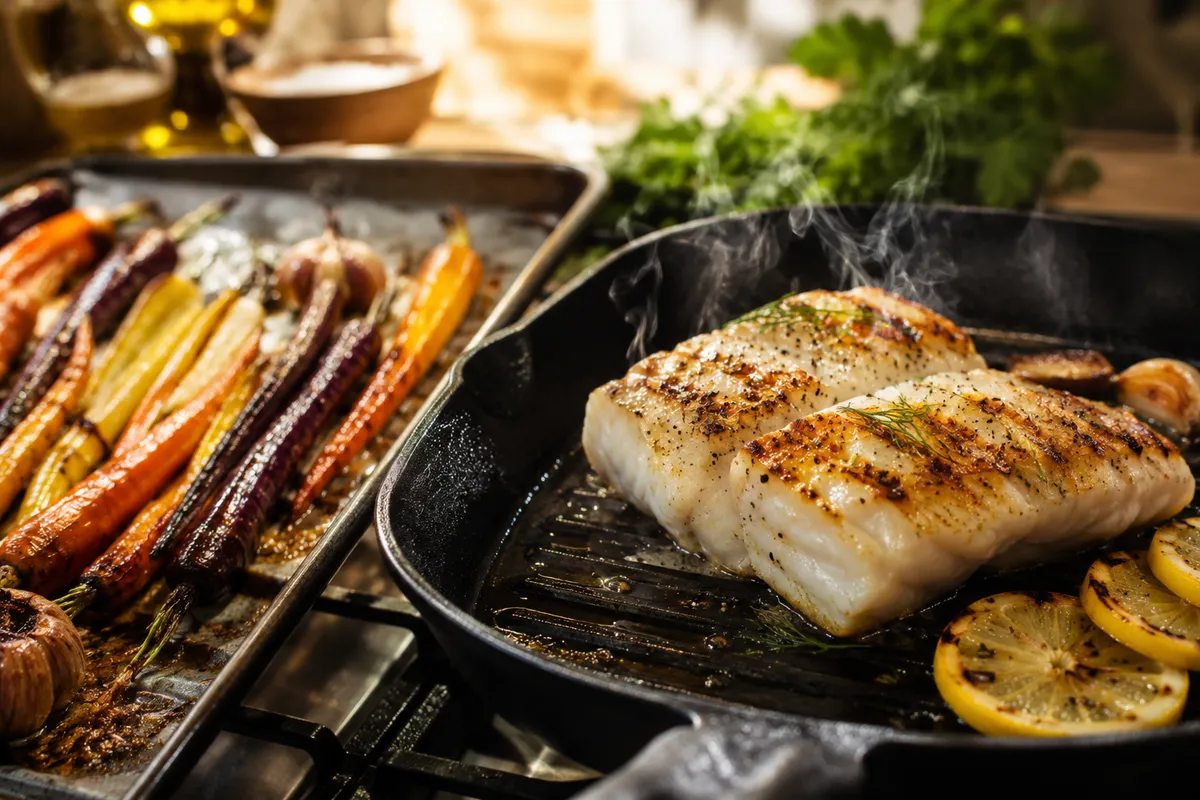
- 1. Prepare Your Roots for Roasting: Preheat your oven to a hearty 400°F (200°C). This temperature is perfect for getting those root vegetables beautifully tender on the inside and caramelized on the outside. Grab your heirloom carrots and parsnips. After a quick trim and peel, you can halve the parsnips lengthwise if they're quite thick. In a large bowl, toss them with extra virgin olive oil, that luscious raw honey, and the freshly minced rosemary. Add a generous pinch of sea salt and a few cracks of black pepper. Spread them out on a single layer on a baking sheet. Overcrowding is the enemy of caramelization! Give them space to breathe. Slide them into the hot oven and let them roast for about 25-30 minutes, or until they're fork-tender and beautifully golden, with those sweet, browned edges.
- 2. Season and Sear the Ribeye: While your roots are roasting, it's steak time! Pat your ribeye steaks thoroughly dry with paper towels. This is crucial for achieving that incredible crust. Season both sides generously with sea salt and freshly cracked black pepper. Don't be shy here; the seasoning forms part of that beautiful outer layer. Heat a heavy-bottomed pan – cast iron is ideal – over high heat until it's just smoking. Add a tablespoon of high-smoke-point oil (like grapeseed or avocado oil) to the pan, then carefully place your steaks in. You should hear a glorious sizzle immediately! Sear for 3-4 minutes per side for a perfect medium-rare, depending on your steak's thickness and desired doneness. The edges should be deeply browned and caramelized.
- 3. Baste for Brilliance: During the final minute or two of cooking your steak, lower the heat slightly to medium. Add a tablespoon of unsalted butter (if using) and your two smashed garlic cloves to the pan. Tilt the pan slightly and, using a spoon, baste the melting butter and fragrant garlic juices over the top of the steaks repeatedly. This infuses the meat with an incredible, subtle garlic flavor and creates a beautiful, glossy finish. The aroma alone is enough to get your mouth watering!
- 4. Rest, Slice, and Serve: Once your steaks reach your desired internal temperature (we'll talk more about this below!), remove them from the pan and transfer them to a cutting board. Tent them loosely with foil and let them rest for at least 10 minutes. This is where the magic happens, ensuring every bite is tender and juicy. While your steak rests, your roasted roots should be perfectly done. Arrange the vibrant roasted roots on plates alongside the rested, beautifully sliced ribeye. The contrasting colors and textures make for an absolutely beautiful presentation. Enjoy the fruits of your labor!
A Note on Doneness
Achieving the perfect steak doneness is a personal preference, but here's a general guide. A good instant-read thermometer is your best friend:
- Rare: 120-125°F (49-52°C) - Cool red center.
- Medium-Rare: 130-135°F (54-57°C) - Warm red center (our recommended 'gold standard').
- Medium: 135-140°F (57-60°C) - Warm pink center.
- Medium-Well: 140-145°F (60-63°C) - Slightly pink center.
Remember that the internal temperature will rise by a few degrees during the resting period (carryover cooking), so pull your steak off the heat a little before it reaches your target.
Plan Ahead: Meal Prep & Storage Guide
Life gets busy, and having delicious, healthy meals ready to go is a game-changer. Here's how you can make this recipe work with your schedule:
Prepping Components in Advance
- Root Vegetables: You can wash, peel, and cut your carrots and parsnips up to 2-3 days in advance. Store them in an airtight container in the refrigerator. When you're ready to cook, simply toss them with the oil, honey, and rosemary, and roast as directed.
- Rosemary & Garlic: Mince your fresh rosemary and smash your garlic cloves a day or two ahead of time and keep them in small, sealed containers.
- Steak Seasoning: You can pre-mix your salt and pepper (and any other spices you like) to have it ready for seasoning the ribeye. However, I always recommend seasoning the steak right before cooking for the best results in terms of crust formation.
Storing Leftovers
If you're lucky enough to have leftovers (it's rare with this one!), proper storage is key to maintaining quality and safety:
- Refrigerator: Store cooked ribeye and roasted root vegetables in separate airtight containers in the refrigerator for up to 3-4 days.
- Freezer: While ribeye is best enjoyed fresh, cooked steak can be frozen. Wrap individual slices tightly in plastic wrap, then place them in a freezer-safe bag or container. Roasted roots can also be frozen in an airtight container. Both will keep for up to 2-3 months. Thaw overnight in the refrigerator before reheating.
Reheating for Optimal Enjoyment
Reheating steak can be tricky, as you want to avoid drying it out:
- Steak: The best way to reheat leftover steak without overcooking is gently. Slice cold steak thinly and add it to a warm pan with a splash of broth or water for just a minute or two, stirring until warmed through. You can also warm it gently in the oven at 250°F (120°C) for about 10-15 minutes, again, loosely covered to retain moisture.
- Root Vegetables: Reheat roasted roots on a baking sheet in a 350°F (175°C) oven for about 10-15 minutes, or until warmed through and slightly re-crisped. A quick toss in a hot pan can also work if you want to bring back some of their caramelized texture.
Creative Culinary Swaps: Flavor Variations
Part of the joy of cooking is making a recipe your own! Here are some ideas to adapt this dish to your taste or dietary needs:
Different Protein
While ribeye is king here, feel free to substitute with other cuts like New York Strip, sirloin, or even a tender pork chop. For a lighter touch, grilled chicken breast or firm white fish like cod could be delicious.
Vegetarian/Vegan Twist
Swap the beef for hearty portobello mushrooms (marinated and grilled) or thick slices of roasted sweet potato or butternut squash. For the roots, use maple syrup instead of honey for a vegan option.
Spice it Up
Add a pinch of smoked paprika or a dash of chili flakes to your root vegetables for a gentle warmth. A touch of Dijon mustard can also add a delightful tang to the honey glaze.
Herb Harmony
Instead of rosemary, try fresh thyme, sage, or a mix of your favorite woody herbs with the roots. For the steak, a sprinkle of fresh chives or parsley after resting adds a burst of freshness.
Low-Carb Options
While delicious, root vegetables do contain natural sugars. For a lower-carb alternative, consider roasting non-starchy vegetables like asparagus, green beans, or broccoli florets with olive oil and garlic.
Nutrition Snapshot (Per Serving)
Here's a general overview of the nutritional breakdown for this robust and satisfying meal:
| Nutrient | Amount |
|---|---|
| Calories | ~480 kcal |
| Protein | ~38g |
| Fat | ~24g |
| Carbohydrates | ~26g |
| Fiber | ~6g |
| Vitamin A | Excellent Source |
| Iron | Excellent Source |
*Note: Nutritional values are approximate and can vary based on specific ingredient choices and preparation methods.
Your Questions Answered: Frequently Asked Questions
Can I use a different cut of beef for this recipe?
Absolutely! While ribeye offers incredible flavor and tenderness due to its marbling, other cuts work beautifully. New York Strip or Sirloin are fantastic choices, offering a leaner but still flavorful experience. You might adjust cooking times slightly based on thickness and desired doneness. The key is to choose a cut that you enjoy and that can handle high-heat searing.
How do I know when the steak is medium-rare without a thermometer?
While an instant-read thermometer is your best friend for precision (aim for 130-135°F / 54-57°C before resting), you can use the 'palm test' as a rough guide. Touch the pad under your thumb: relaxed is rare. Pinch your thumb and forefinger together and touch the pad: that's medium-rare. Touch your thumb to your middle finger: medium. It's an imperfect science, but a helpful trick in a pinch!
Is this dish gluten-free and suitable for specific diets?
Yes, indeed! This recipe is naturally gluten-free, making it a wonderful choice for those avoiding gluten. It also fits well into a whole-food, clean-eating approach. If you're looking to modify it for specific dietary needs, check out our 'Flavor Variations' section above for ideas like low-carb adjustments or vegetarian alternatives.
Can I use frozen ribeye, and what's the best way to thaw it?
You can certainly use frozen ribeye, but proper thawing is key to maintain texture and safety. The best method is to transfer the frozen steak to the refrigerator and let it thaw slowly overnight, or for about 24 hours per pound. Avoid thawing at room temperature, which can promote bacterial growth. If you're in a hurry, you can thaw it in a sealed plastic bag immersed in cold water, changing the water every 30 minutes, until thawed.
What's the best way to get crispy roasted roots, not soggy ones?
The secret to crispy roasted roots lies in two key things: a hot oven and not overcrowding the pan! Make sure your oven is fully preheated to 400°F (200°C). When you spread the vegetables on the baking sheet, ensure they have plenty of space around them in a single layer. If they're too close, they'll steam instead of roast, leading to a soggy texture. Use two baking sheets if necessary. Also, a light coat of oil helps achieve that beautiful browning and crispness.
Happy cooking from my kitchen to yours! – Stewart Lucas, Certified Nutritionist & Culinary Coach, NutriGuide.
This healthy Flame-Kissed Ribeye with Honey-Glazed Heirloom Roots recipe is a clean eating meal option rich in nutrients. Optimized for non-veg, dinner, Gluten-Free, Muscle Maintenance, Anti-Inflammatory and created by certified nutritionist Stewart Lucas, it is designed to fit seamlessly into a health-focused lifestyle.
Key Takeaways
- ✓Vetted recipe compliant with a balanced non-veg dietary lifestyle.
- ✓Vetted recipe compliant with a balanced dinner dietary lifestyle.
- ✓100% gluten-free ingredients suitable for celiac or gluten-sensitive diets.
- ✓Vetted recipe compliant with a balanced muscle maintenance dietary lifestyle.
Flame-Kissed Ribeye with Honey-Glazed Heirloom Roots
This healthy Flame-Kissed Ribeye with Honey-Glazed Heirloom Roots recipe is a clean eating meal option rich in nutrients. Optimized for non-veg, dinner, Gluten-Free, Muscle Maintenance, Anti-Inflammatory and created by certified nutritionist Stewart Lucas, it is designed to fit seamlessly into a health-focused lifestyle.
Macro Nutrition Profile (Per Serving)
Ingredients
Ingredient Substitutions
| Original Ingredient | Healthy Alternative |
|---|---|
| Animal protein | Firm tofu, tempeh, or organic chickpeas |
| Cooking fat | Extra virgin olive oil or grass-fed butter |
Instructions
1. Prepare Your Roots for Roasting: Preheat your oven to a hearty 400°F (200°C). This temperature is perfect for getting those root vegetables beautifully tender on the inside and caramelized on the outside. Grab your heirloom carrots and parsnips. After a quick trim and peel, you can halve the parsnips lengthwise if they're quite thick. In a large bowl, toss them with extra virgin olive oil, that luscious raw honey, and the freshly minced rosemary. Add a generous pinch of sea salt and a few cracks of black pepper. Spread them out on a single layer on a baking sheet. Overcrowding is the enemy of caramelization! Give them space to breathe. Slide them into the hot oven and let them roast for about 25-30 minutes, or until they're fork-tender and beautifully golden, with those sweet, browned edges.
2. Season and Sear the Ribeye: While your roots are roasting, it's steak time! Pat your ribeye steaks thoroughly dry with paper towels. This is crucial for achieving that incredible crust. Season both sides generously with sea salt and freshly cracked black pepper. Don't be shy here; the seasoning forms part of that beautiful outer layer. Heat a heavy-bottomed pan – cast iron is ideal – over high heat until it's just smoking. Add a tablespoon of high-smoke-point oil (like grapeseed or avocado oil) to the pan, then carefully place your steaks in. You should hear a glorious sizzle immediately! Sear for 3-4 minutes per side for a perfect medium-rare, depending on your steak's thickness and desired doneness. The edges should be deeply browned and caramelized.
3. Baste for Brilliance: During the final minute or two of cooking your steak, lower the heat slightly to medium. Add a tablespoon of unsalted butter (if using) and your two smashed garlic cloves to the pan. Tilt the pan slightly and, using a spoon, baste the melting butter and fragrant garlic juices over the top of the steaks repeatedly. This infuses the meat with an incredible, subtle garlic flavor and creates a beautiful, glossy finish. The aroma alone is enough to get your mouth watering!
4. Rest, Slice, and Serve: Once your steaks reach your desired internal temperature (we'll talk more about this below!), remove them from the pan and transfer them to a cutting board. Tent them loosely with foil and let them rest for at least 10 minutes. This is where the magic happens, ensuring every bite is tender and juicy. While your steak rests, your roasted roots should be perfectly done. Arrange the vibrant roasted roots on plates alongside the rested, beautifully sliced ribeye. The contrasting colors and textures make for an absolutely beautiful presentation. Enjoy the fruits of your labor!
Tried this recipe?
Let us know how it turned out! Click a star below to leave a review and rate the recipe.
Storage & Freezing Tips
- Refrigerator: Store leftovers in an airtight container for up to 3-4 days.
- Reheating: Heat in a saucepan or skillet on medium heat until hot throughout.
- Freezing: Freeze portions in airtight containers for up to 2 months. Reheat directly from frozen or after thawing.
Frequently Asked Questions
Can I use a different cut of beef for this recipe?▼
Absolutely! While ribeye offers incredible flavor and tenderness due to its marbling, other cuts work beautifully. New York Strip or Sirloin are fantastic choices, offering a leaner but still flavorful experience. You might adjust cooking times slightly based on thickness and desired doneness. The key is to choose a cut that you enjoy and that can handle high-heat searing.
How do I know when the steak is medium-rare without a thermometer?▼
While an instant-read thermometer is your best friend for precision (aim for 130-135°F / 54-57°C before resting), you can use the 'palm test' as a rough guide. Touch the pad under your thumb: relaxed is rare. Pinch your thumb and forefinger together and touch the pad: that's medium-rare. Touch your thumb to your middle finger: medium. It's an imperfect science, but a helpful trick in a pinch!
Is this dish gluten-free and suitable for specific diets?▼
Yes, indeed! This recipe is naturally gluten-free, making it a wonderful choice for those avoiding gluten. It also fits well into a whole-food, clean-eating approach. If you're looking to modify it for specific dietary needs, check out our 'Flavor Variations' section above for ideas like low-carb adjustments or vegetarian alternatives.
Can I use frozen ribeye, and what's the best way to thaw it?▼
You can certainly use frozen ribeye, but proper thawing is key to maintain texture and safety. The best method is to transfer the frozen steak to the refrigerator and let it thaw slowly overnight, or for about 24 hours per pound. Avoid thawing at room temperature, which can promote bacterial growth. If you're in a hurry, you can thaw it in a sealed plastic bag immersed in cold water, changing the water every 30 minutes, until thawed.
What's the best way to get crispy roasted roots, not soggy ones?▼
The secret to crispy roasted roots lies in two key things: a hot oven and not overcrowding the pan! Make sure your oven is fully preheated to 400°F (200°C). When you spread the vegetables on the baking sheet, ensure they have plenty of space around them in a single layer. If they're too close, they'll steam instead of roast, leading to a soggy texture. Use two baking sheets if necessary. Also, a light coat of oil helps achieve that beautiful browning and crispness.
Tried this recipe?
Tag @stewartlucas on Instagram and hashtag it #nutriguide!
You Might Also Like

Stewart Lucas
Nutritionist & Recipe DeveloperStewart Lucas is a nutritionist and recipe developer representing the NutriGuide team. All recipes, nutritional values, and diet protocols published on this site are designed and audited by certified dietitians and clinical nutrition professionals to guarantee absolute accuracy.
Community Reviews
Please log in to leave a review.