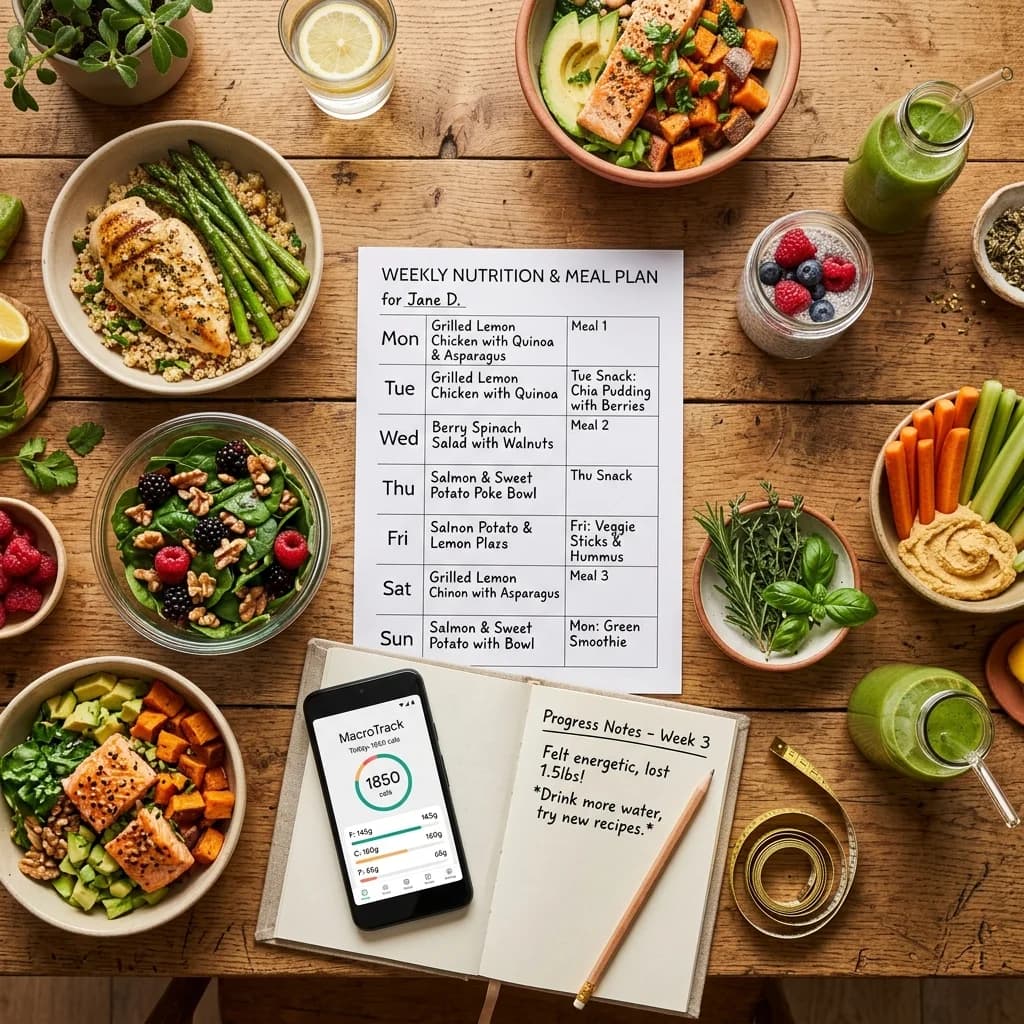
Fresh Herb-Crusted Salmon
The Story
This healthy Fresh Herb-Crusted Salmon recipe is a clean eating meal option rich in nutrients. Optimized for Salmon, Heart Healthy, Anti-Inflammatory, Muscle Maintenance, dinner and created by certified nutritionist Stewart Lucas, it is designed to fit seamlessly into a health-focused lifestyle.
Fresh Herb-Crusted Salmon
There is something inherently rewarding about working with a beautiful piece of wild-caught salmon. When you bring it home from the market, it should feel firm and smell clean, like the ocean breeze. This Herb-Crusted Salmon recipe is one of my personal favorites because it relies on the simplicity of high-quality aromatics rather than heavy creams or complex sauces.
I remember the first time I perfected this crust—the way the lemon zest brightens the earthiness of the dill and parsley, creating a vibrant aroma that fills the kitchen the moment it hits the oven. It is a dish that makes a weeknight feel special, yet it is simple enough that you can prepare it after a long day without feeling tethered to the stove for hours.
The Ingredients You Need
- 4 salmon fillets (6oz each)
- 1/2 cup panko breadcrumbs (use GF if preferred)
- 1/4 cup fresh parsley, finely chopped
- 2 tbsp fresh dill, chopped
- 1 tbsp lemon zest
- 2 tbsp Dijon mustard
- 1 tbsp extra virgin olive oil
- Salt and cracked black pepper to taste
The Process: From Prep to Plate
- Preheat and Prepare: Start by heating your oven to 400°F (200°C). Line a rimmed baking sheet with parchment paper to ensure the delicate skin doesn't stick and cleanup is a breeze.
- Mix the Crust: In a small glass bowl, combine the breadcrumbs, parsley, dill, lemon zest, and olive oil. Use your fingers or a small fork to massage the oil into the herbs until the mixture looks like coarse, damp sand. The smell of the lemon hitting the fresh herbs is exactly what we want to capture.
- Prime the Salmon: Pat your salmon fillets dry with a paper towel. This is crucial—removing surface moisture helps the mustard adhere and prevents the fish from "steaming" in the oven. Lightly season the tops with salt and pepper, then brush a thin, even layer of Dijon mustard across each fillet.
- The Crust: Gently press the herb mixture into the mustard layer. Don't be afraid to give it a firm tap so the herbs stay put during the bake.
- Roast: Slide the tray into the center rack of your oven. Bake for 12–15 minutes. You are looking for that golden-brown color on the crust and a light, opaque flake when you nudge the center of the salmon with a fork.
Flavor Variations
While this recipe is wonderful as-is, you can easily pivot based on what is in your pantry:
Low-Carb Swap
Replace the panko breadcrumbs with almond flour or crushed walnuts. You will get a richer, more toasted flavor that pairs beautifully with the oils in the salmon.
Mediterranean Twist
Add a tablespoon of finely minced kalamata olives and a sprinkle of dried oregano to the crust mixture.
Spicy Kick
If you like a little heat, add a half-teaspoon of red pepper flakes into your breadcrumb mixture before applying it to the fish.
Meal Prep and Storage
Leftover salmon is rarely as good as fresh, but you can minimize the quality loss. Store cooked fillets in an airtight glass container in the refrigerator for up to 48 hours. To reheat, I recommend using a toaster oven or a standard oven at 300°F for about 8 minutes. Avoid the microwave if possible, as it will turn the protein rubbery and ruin the crunch of your herb crust.
This healthy Fresh Herb-Crusted Salmon recipe is a clean eating meal option rich in nutrients. Optimized for Salmon, Heart Healthy, Anti-Inflammatory, Muscle Maintenance, dinner and created by certified nutritionist Stewart Lucas, it is designed to fit seamlessly into a health-focused lifestyle.
Key Takeaways
- ✓Vetted recipe compliant with a balanced salmon dietary lifestyle.
- ✓Supports cardiovascular health with high-quality fats and low sodium.
- ✓Formulated with foods rich in antioxidants to minimize systemic inflammation.
- ✓Vetted recipe compliant with a balanced muscle maintenance dietary lifestyle.
Fresh Herb-Crusted Salmon
This healthy Fresh Herb-Crusted Salmon recipe is a clean eating meal option rich in nutrients. Optimized for Salmon, Heart Healthy, Anti-Inflammatory, Muscle Maintenance, dinner and created by certified nutritionist Stewart Lucas, it is designed to fit seamlessly into a health-focused lifestyle.
Macro Nutrition Profile (Per Serving)
Ingredients
Ingredient Substitutions
| Original Ingredient | Healthy Alternative |
|---|---|
| Salmon/Cod | Steelhead trout, halibut, or sea bass (baking times may vary) |
| Asparagus/Veg | Zucchini slices, broccoli florets, or green beans (roast at same temperature) |
Instructions
Preheat and Prepare: Start by heating your oven to 400°F (200°C). Line a rimmed baking sheet with parchment paper to ensure the delicate skin doesn't stick and cleanup is a breeze.
Mix the Crust: In a small glass bowl, combine the breadcrumbs, parsley, dill, lemon zest, and olive oil. Use your fingers or a small fork to massage the oil into the herbs until the mixture looks like coarse, damp sand. The smell of the lemon hitting the fresh herbs is exactly what we want to capture.
Prime the Salmon: Pat your salmon fillets dry with a paper towel. This is crucial—removing surface moisture helps the mustard adhere and prevents the fish from "steaming" in the oven. Lightly season the tops with salt and pepper, then brush a thin, even layer of Dijon mustard across each fillet.
The Crust: Gently press the herb mixture into the mustard layer. Don't be afraid to give it a firm tap so the herbs stay put during the bake.
Roast: Slide the tray into the center rack of your oven. Bake for 12–15 minutes. You are looking for that golden-brown color on the crust and a light, opaque flake when you nudge the center of the salmon with a fork.
Tried this recipe?
Let us know how it turned out! Click a star below to leave a review and rate the recipe.
Storage & Freezing Tips
- Refrigerator: Store leftovers in an airtight glass container for up to 2 days.
- Reheating: Warm gently in a skillet on medium-low heat with a lid to keep the fish tender. Avoid microwaving to prevent rubbery texture.
- Freezing: We do not recommend freezing cooked fish as it degrades the texture.
Frequently Asked Questions
Can I make this dairy-free?▼
Absolutely. This recipe is naturally dairy-free. We use olive oil to bind the crust and Dijon mustard as a base, so no butter or cheese is required. It’s naturally light and vibrant.
What side dishes pair best with this?▼
I love serving this with simple roasted root vegetables, like carrots or sweet potatoes, which stand up well to the lemon-herb profile. A crisp arugula salad with a lemon-tahini dressing also cuts through the richness of the salmon perfectly.
Can I use a different type of fish?▼
Yes, this crust works wonderfully on firm white fish like cod, halibut, or even steelhead trout. If you use a thinner white fish, simply reduce the cooking time by 3-5 minutes, as they tend to cook faster than salmon.
How do I know when the salmon is perfectly done?▼
The best indicator is the "fork test." Insert a fork into the thickest part of the fillet and gently twist. If the salmon flakes easily and looks opaque throughout, it’s ready. If it resists or looks translucent, give it another two minutes.
Tried this recipe?
Tag @stewartlucas on Instagram and hashtag it #nutriguide!
You Might Also Like
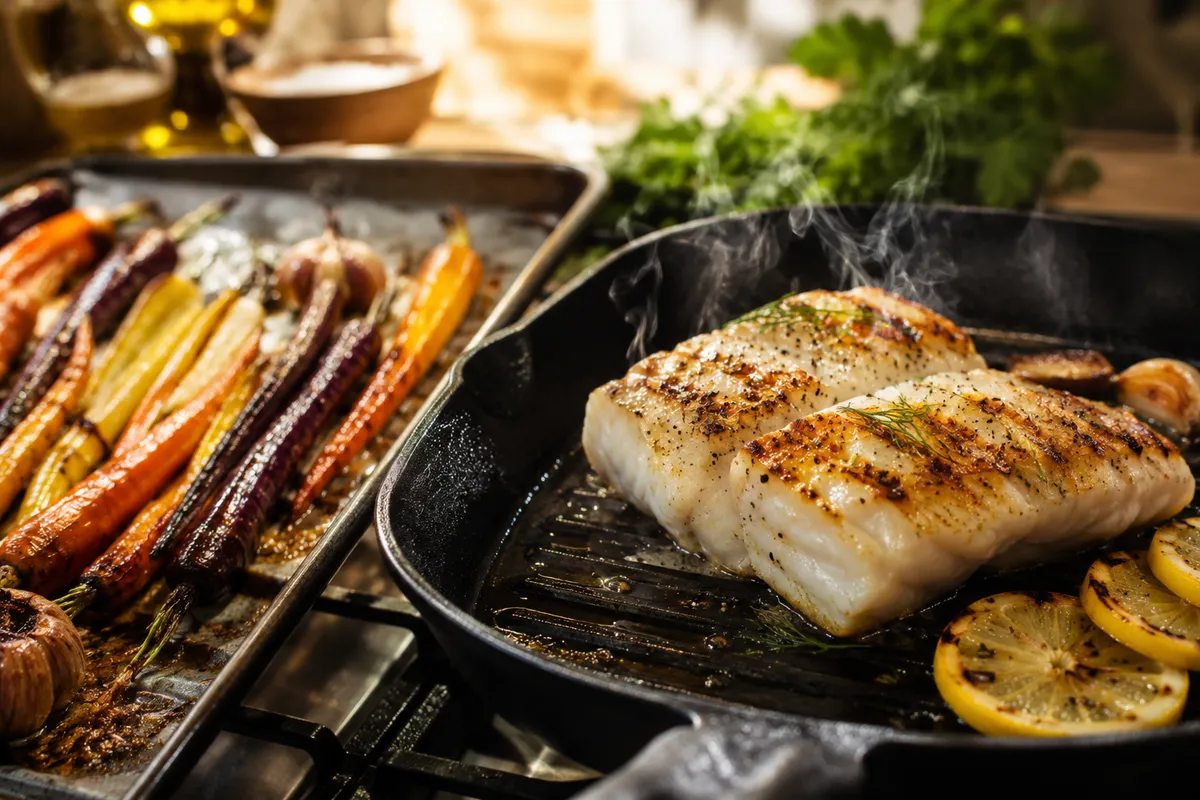

Stewart Lucas
Nutritionist & Recipe DeveloperStewart Lucas is a nutritionist and recipe developer representing the NutriGuide team. All recipes, nutritional values, and diet protocols published on this site are designed and audited by certified dietitians and clinical nutrition professionals to guarantee absolute accuracy.
Community Reviews
Please log in to leave a review.