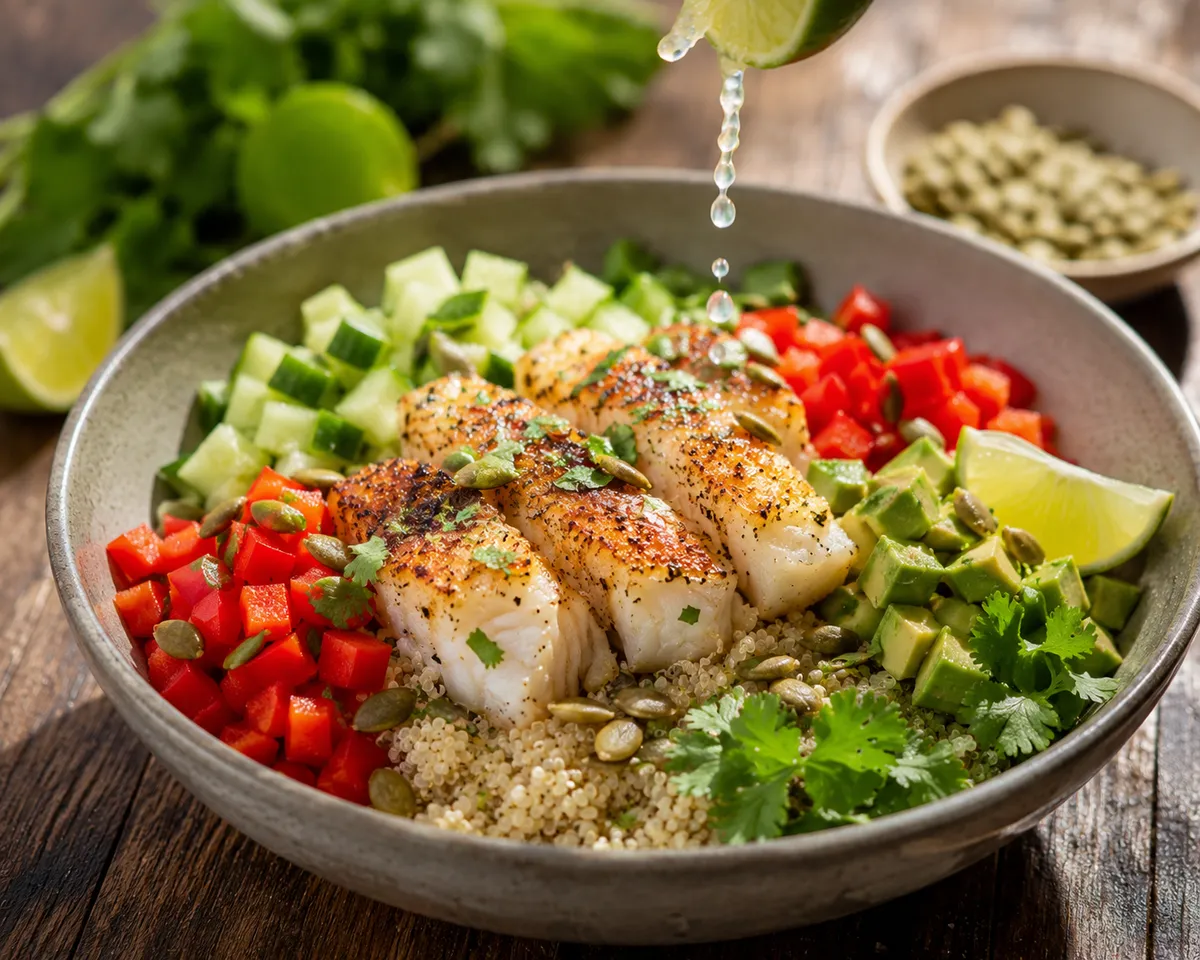
Healthy Baked White Fish Recipe
The Story
This healthy Healthy Baked White Fish Recipe recipe is a clean eating meal option rich in nutrients. Optimized for White Fish Recipes, Healthy Baked Fish, Lemon Herb White Fish, Easy Fish Recipe and created by certified nutritionist Stewart Lucas, it is designed to fit seamlessly into a health-focused lifestyle.
Quick Summary
This lemon-herb baked white fish is the cornerstone of a sustainable, healthy kitchen. It combines the delicate, flaky texture of sustainably sourced white fish with the bright, aromatic punch of fresh citrus and herbs. It is high in lean protein, low in caloric density, and takes less than 20 minutes to move from your oven to the table.
Why This Recipe Works
There is a quiet elegance to a perfectly baked piece of white fish. I often tell my clients that they don't need complicated sauces or heavy breading to make a meal feel special. When you work with high-quality ingredients, you allow the natural, clean flavors of the sea to take center stage. When this hits the heat, the garlic mellows and sweetens, the olive oil binds the juices to the fish, and the lemon slices soften into a bright, fragrant zest that perfumes the entire kitchen.
For those living a busy lifestyle, this dish is a relief. It requires very little cleanup, minimal active prep time, and it sits perfectly on the plate alongside everything from roasted asparagus to a crisp, peppery arugula salad. It is real food, prepared with intention, designed to fuel your body without weighing it down.
This clean dinner option is featured on day five of our 7-Day Soy-Free Meal Plan. If you enjoy healthy seafood recipes, you will also love our sheet-pan favorite: Simple Roasted Salmon and Broccoli Sheet Pan Dinner.
Ingredients
- 4 white fish fillets (such as cod, halibut, or haddock), roughly 6oz each
- 2 tablespoons extra-virgin olive oil (use a high-quality cold-pressed oil for the best mouthfeel)
- 1 large organic lemon, sliced into thin, translucent rounds
- 2 cloves garlic, finely minced or smashed into a paste
- 2 tablespoons fresh flat-leaf parsley, finely chopped
- 1 tablespoon fresh dill, chopped
- 1/2 teaspoon sea salt (flaky Maldon salt is wonderful here)
- 1/4 teaspoon freshly cracked black pepper
Method
- Prep your environment: Preheat your oven to 400°F (200°C). Lining your baking sheet with parchment paper is non-negotiable for me—it keeps the delicate proteins from sticking and makes your post-dinner cleanup feel effortless.
- Prepare the fish: Pat the fillets dry with a clean paper towel. This is a step many overlook, but removing surface moisture allows the olive oil and aromatics to adhere properly, ensuring the fish roasts rather than steams.
- Season with purpose: Place the fillets on your prepared sheet. Drizzle the olive oil evenly across the top, then massage the minced garlic, salt, and pepper into the flesh.
- Layer the aromatics: Arrange the lemon slices over the top of each fillet. Scatter the fresh parsley and dill over the lemons; as the fish bakes, the heat will infuse the herb oils into the lemon and down into the fish itself.
- Roast to perfection: Slide the tray into the center of your oven. Bake for 12–15 minutes. You are looking for that moment when the fish turns opaque and the edges begin to curl slightly. If you have a fork, it should slide into the thickest part of the fillet with zero resistance, separating the flakes into beautiful, tender layers.
If you really want to elevate the dish, finish it with a "pan drizzle." Once the fish is out of the oven, take a small spoon and collect the juices that have pooled on the parchment paper—this is pure liquid gold, rich with garlic, lemon, and natural fish fats. Drizzle that over the fish right before you plate it. It makes every bite feel like a restaurant-quality experience.
Choosing the Right White Fish Fillet
When shopping for white fish, opt for wild-caught and MSC-certified cod, halibut, haddock, or pollock. Look for fillets that are firm, translucent, and have a clean sea-air smell (avoid anything that smells strongly fishy). If buying frozen, ensure it is vacuum-sealed and flash-frozen at sea to lock in moisture and peak freshness. Always roast white fish until the internal temperature reaches 145°F (63°C), at which point the flesh will flake easily with a fork.
Nutritional Science & Benefits
White fish like cod and halibut are incredible sources of complete, high-quality protein. They are exceptionally low in saturated fat and contain essential minerals like selenium and phosphorus, which are vital for thyroid health and bone strength.
- Protein Density: Essential for muscle repair and metabolic health.
- Garlic: Contains allicin, a compound known for its anti-inflammatory properties.
- Olive Oil: Provides heart-healthy monounsaturated fats that aid in the absorption of fat-soluble vitamins.
- Citrus: The acidity of the lemon helps break down the protein structure slightly, making the fish more tender while providing a hit of Vitamin C.
Nutrition Snapshot
| Nutrient | Amount |
|---|---|
| Protein | 38g |
| Fat | 8g |
| Carbohydrates | 2g |
| Calories | 240 |
Meal Prep & Storage Guide
This dish is fantastic for meal prep because it holds its moisture well. To store, let the fillets cool completely, then place them in an airtight glass container. They will stay fresh in the refrigerator for up to 48 hours.
When reheating, I strongly advise against using a microwave, which can turn the protein rubbery. Instead, place the fillets in a small oven-safe dish with a splash of water or broth, cover with foil, and heat at 300°F for about 8–10 minutes until warmed through.
Flavor Variations
The beauty of this base recipe is its versatility. Once you master the technique, try these swaps:
The Mediterranean Twist
Add a tablespoon of capers and a handful of halved cherry tomatoes to the baking sheet for a saltier, more robust profile.
The Spicy Kick
Add a pinch of red pepper flakes or a dusting of smoked paprika to the garlic-oil mixture before rubbing it on the fish.
The Pesto Crust
For a more decadent meal, spread a thin layer of basil pesto over the fish instead of the herbs before baking.
This healthy Healthy Baked White Fish Recipe recipe is a clean eating meal option rich in nutrients. Optimized for White Fish Recipes, Healthy Baked Fish, Lemon Herb White Fish, Easy Fish Recipe and created by certified nutritionist Stewart Lucas, it is designed to fit seamlessly into a health-focused lifestyle.
Key Takeaways
- ✓Vetted recipe compliant with a balanced white fish recipes dietary lifestyle.
- ✓Vetted recipe compliant with a balanced healthy baked fish dietary lifestyle.
- ✓Vetted recipe compliant with a balanced lemon herb white fish dietary lifestyle.
- ✓Vetted recipe compliant with a balanced easy fish recipe dietary lifestyle.
Healthy Baked White Fish Recipe
This healthy Healthy Baked White Fish Recipe recipe is a clean eating meal option rich in nutrients. Optimized for White Fish Recipes, Healthy Baked Fish, Lemon Herb White Fish, Easy Fish Recipe and created by certified nutritionist Stewart Lucas, it is designed to fit seamlessly into a health-focused lifestyle.
Macro Nutrition Profile (Per Serving)
Ingredients
Ingredient Substitutions
| Original Ingredient | Healthy Alternative |
|---|---|
| Salmon/Cod | Steelhead trout, halibut, or sea bass (baking times may vary) |
| Asparagus/Veg | Zucchini slices, broccoli florets, or green beans (roast at same temperature) |
Instructions
Prep your environment: Preheat your oven to 400°F (200°C). Lining your baking sheet with parchment paper is non-negotiable for me—it keeps the delicate proteins from sticking and makes your post-dinner cleanup feel effortless.
Prepare the fish: Pat the fillets dry with a clean paper towel. This is a step many overlook, but removing surface moisture allows the olive oil and aromatics to adhere properly, ensuring the fish roasts rather than steams.
Season with purpose: Place the fillets on your prepared sheet. Drizzle the olive oil evenly across the top, then massage the minced garlic, salt, and pepper into the flesh.
Layer the aromatics: Arrange the lemon slices over the top of each fillet. Scatter the fresh parsley and dill over the lemons; as the fish bakes, the heat will infuse the herb oils into the lemon and down into the fish itself.
Roast to perfection: Slide the tray into the center of your oven. Bake for 12–15 minutes. You are looking for that moment when the fish turns opaque and the edges begin to curl slightly. If you have a fork, it should slide into the thickest part of the fillet with zero resistance, separating the flakes into beautiful, tender layers.
Tried this recipe?
Let us know how it turned out! Click a star below to leave a review and rate the recipe.
Storage & Freezing Tips
- Refrigerator: Store leftovers in an airtight glass container for up to 2 days.
- Reheating: Warm gently in a skillet on medium-low heat with a lid to keep the fish tender. Avoid microwaving to prevent rubbery texture.
- Freezing: We do not recommend freezing cooked fish as it degrades the texture.
Frequently Asked Questions
Which type of white fish should I choose?▼
Cod and halibut are the gold standards here because they are firm enough to hold their shape but flake beautifully when cooked. Haddock or even sea bass works wonderfully too. Just try to choose fillets of similar thickness so they finish cooking at the same time.
Can I use dried herbs instead of fresh?▼
You absolutely can. Just remember that dried herbs are more potent, so use about half the amount the recipe calls for. Rub them between your palms before sprinkling to help release their stored essential oils.
How can I tell if the fish is definitely cooked through?▼
Visual cues are your best friend. The fish should turn from translucent to completely opaque. If you use a fork to nudge the thickest part of the fillet, it should offer zero resistance and flake into segments. If it looks "bouncy" or resists the fork, give it another 2 minutes.
Is this recipe suitable for low-carb or keto diets?▼
Yes, perfectly. With only 2g of carbohydrates per serving, this is an excellent staple for ketogenic or low-glycemic eating patterns. It provides high-quality protein and healthy fats without any blood sugar spikes.
Tried this recipe?
Tag @stewartlucas on Instagram and hashtag it #nutriguide!
You Might Also Like


Stewart Lucas
Nutritionist & Recipe DeveloperStewart Lucas is a nutritionist and recipe developer representing the NutriGuide team. All recipes, nutritional values, and diet protocols published on this site are designed and audited by certified dietitians and clinical nutrition professionals to guarantee absolute accuracy.
Community Reviews
Please log in to leave a review.