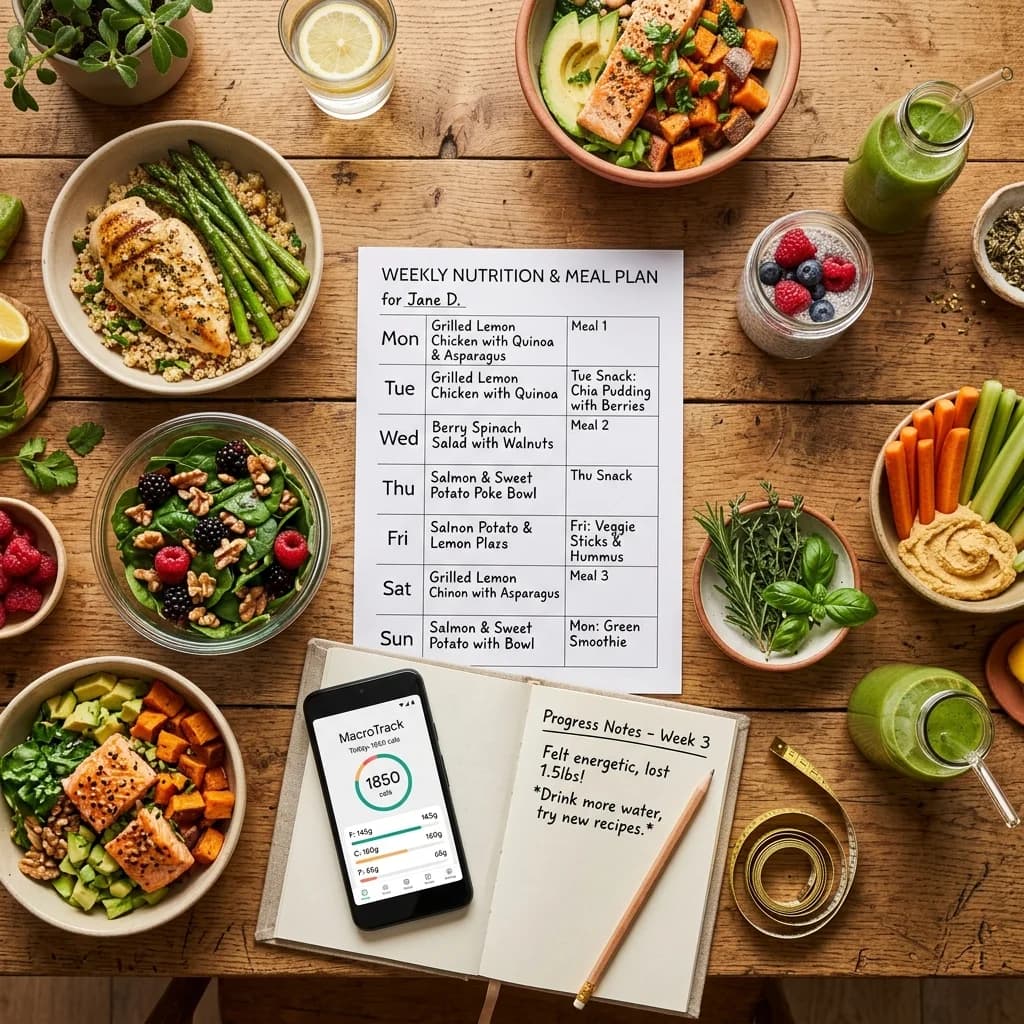
Lemon Herb Salmon
The Story
This healthy Lemon Herb Salmon recipe is a clean eating meal option rich in nutrients. Optimized for Salmon, Gluten-Free, Keto, Heart Healthy, Anti-Inflammatory and created by certified nutritionist Stewart Lucas, it is designed to fit seamlessly into a health-focused lifestyle.
Lemon Herb Salmon: A Masterclass in Simple Elegance
There is something inherently restorative about a perfectly cooked piece of salmon. In my kitchen, this lemon herb preparation is my go-to "reset" button. It isn’t just about the nutrition; it’s about the sensory experience. The way the garlic hits the hot oil, releasing that sharp, savory aroma that fills the room, followed by the bright, citrusy perfume of sliced lemons—it’s simple, simple cooking at its best.
I believe that the best meals aren’t the ones that require three hours of hovering over a stove. They are the ones that respect the quality of the ingredient. Salmon is rich, fatty, and forgiving. When you treat it with a bit of patience—letting the pan do the work—it rewards you with a texture that practically melts on the palate.
Essential Ingredients
Quality makes a difference here. Try to source wild-caught salmon if you can; the flavor is cleaner and the fat content provides a beautiful, silky mouthfeel. Fresh herbs are non-negotiable—dried dill just doesn’t carry that vibrant, grassy note we need to cut through the richness of the fish.
- 4 (6oz) Salmon fillets, skin-on (the skin protects the flesh during the sear)
- 2 tbsp Extra virgin olive oil
- 1 large Lemon, sliced into thin, translucent rounds
- 3 cloves Garlic, minced finely
- 2 tbsp Fresh dill, chopped
- 1 tbsp Fresh parsley, minced
- 1/2 tsp Sea salt
- 1/4 tsp Freshly cracked black pepper
The Method: Achieving the Perfect Sear
- Prep the Surface: Pat your fillets bone-dry with paper towels. Moisture is the enemy of a good crust. If the fish is wet, it will steam rather than sear.
- The Herb Infusion: In a small bowl, whisk the olive oil, minced garlic, dill, parsley, salt, and pepper. The oil acts as a flavor carrier, helping the garlic and herbs cling to the salmon as it hits the heat.
- The Sear: Get your cast-iron skillet nice and hot over medium-high heat. Place the fillets in skin-side down. Listen for that aggressive, satisfying sizzle. Resist the urge to poke or move the fish; let the skin release naturally from the pan. This usually takes about 4–5 minutes.
- The Oven Finish: Once the skin is crisp and mahogany-colored, place your lemon slices on top of the fillets. Transfer the entire skillet into a preheated 400°F oven for another 4–5 minutes. The lemon slices will roast, softening and releasing their juices into the flesh.
Nutritional Science and Benefits
Flavor Variations and Swaps
This recipe is a blueprint. Once you master the technique, don't be afraid to experiment with the flavor profile:
The Mediterranean Twist
Swap the dill for fresh oregano and add a handful of Kalamata olives and capers to the pan before putting it in the oven.
The Heat Seeker
Add a teaspoon of red chili flakes to your herb and oil mixture for a gentle, warming finish.
The Plant-Forward Swap
If you aren't eating fish, this method works beautifully with thick, center-cut cauliflower steaks. Simply sear them longer and finish in the oven until tender-crisp.
Meal Prep and Storage
I often prep the herb-garlic oil mixture the night before. Keep it in a sealed jar in the fridge to allow the garlic to mellow into the oil. If you have leftovers, store the salmon in an airtight container for up to two days. To reheat, avoid the microwave, which turns the fish rubbery. Instead, place it in a low-temperature oven (300°F) for 10 minutes with a tiny splash of water in the pan to keep it moist.
This healthy Lemon Herb Salmon recipe is a clean eating meal option rich in nutrients. Optimized for Salmon, Gluten-Free, Keto, Heart Healthy, Anti-Inflammatory and created by certified nutritionist Stewart Lucas, it is designed to fit seamlessly into a health-focused lifestyle.
Key Takeaways
- ✓Vetted recipe compliant with a balanced salmon dietary lifestyle.
- ✓100% gluten-free ingredients suitable for celiac or gluten-sensitive diets.
- ✓Vetted recipe compliant with a balanced keto dietary lifestyle.
- ✓Supports cardiovascular health with high-quality fats and low sodium.
Lemon Herb Salmon
This healthy Lemon Herb Salmon recipe is a clean eating meal option rich in nutrients. Optimized for Salmon, Gluten-Free, Keto, Heart Healthy, Anti-Inflammatory and created by certified nutritionist Stewart Lucas, it is designed to fit seamlessly into a health-focused lifestyle.
Macro Nutrition Profile (Per Serving)
Ingredients
Ingredient Substitutions
| Original Ingredient | Healthy Alternative |
|---|---|
| Salmon/Cod | Steelhead trout, halibut, or sea bass (baking times may vary) |
| Asparagus/Veg | Zucchini slices, broccoli florets, or green beans (roast at same temperature) |
Instructions
Prep the Surface: Pat your fillets bone-dry with paper towels. Moisture is the enemy of a good crust. If the fish is wet, it will steam rather than sear.
The Herb Infusion: In a small bowl, whisk the olive oil, minced garlic, dill, parsley, salt, and pepper. The oil acts as a flavor carrier, helping the garlic and herbs cling to the salmon as it hits the heat.
The Sear: Get your cast-iron skillet nice and hot over medium-high heat. Place the fillets in skin-side down. Listen for that aggressive, satisfying sizzle. Resist the urge to poke or move the fish; let the skin release naturally from the pan. This usually takes about 4–5 minutes.
The Oven Finish: Once the skin is crisp and mahogany-colored, place your lemon slices on top of the fillets. Transfer the entire skillet into a preheated 400°F oven for another 4–5 minutes. The lemon slices will roast, softening and releasing their juices into the flesh.
Tried this recipe?
Let us know how it turned out! Click a star below to leave a review and rate the recipe.
Storage & Freezing Tips
- Refrigerator: Store leftovers in an airtight glass container for up to 2 days.
- Reheating: Warm gently in a skillet on medium-low heat with a lid to keep the fish tender. Avoid microwaving to prevent rubbery texture.
- Freezing: We do not recommend freezing cooked fish as it degrades the texture.
Frequently Asked Questions
How do I know when the salmon is cooked through?▼
The best way is to use a fork to gently nudge the thickest part of the fillet. It should flake easily and look opaque throughout. If you prefer precision, an internal temperature of 125°F to 130°F is ideal for a tender, succulent center.
Can I use frozen salmon fillets?▼
Yes, but you must thaw them completely in the refrigerator overnight. Once thawed, pat them extremely dry. Frozen-and-thawed salmon tends to release more water, so take extra care to ensure your pan is hot enough to compensate.
Should I remove the skin before eating?▼
That is a matter of preference! When seared properly in a cast-iron skillet, the skin becomes crispy and delicious. However, if you prefer, you can easily slide a spatula between the flesh and the skin once the fish is cooked and lift the salmon right off.
Is this dish suitable for a keto or low-carb diet?▼
Absolutely. Salmon is a premier source of high-quality protein and healthy fats, with zero grams of carbohydrates. By avoiding heavy sauces or breadcrumbs, this recipe remains a staple for those following ketogenic or low-glycemic lifestyles.
Tried this recipe?
Tag @stewartlucas on Instagram and hashtag it #nutriguide!
You Might Also Like
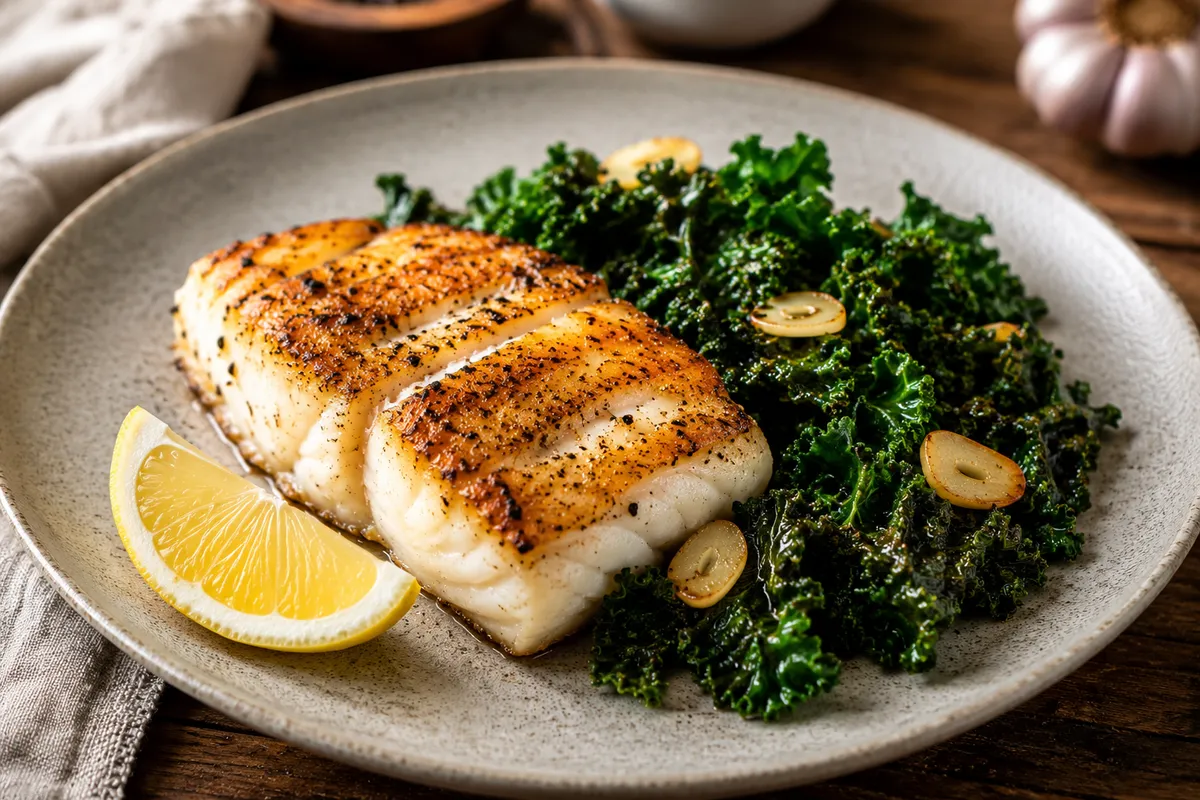

Stewart Lucas
Nutritionist & Recipe DeveloperStewart Lucas is a nutritionist and recipe developer representing the NutriGuide team. All recipes, nutritional values, and diet protocols published on this site are designed and audited by certified dietitians and clinical nutrition professionals to guarantee absolute accuracy.
Community Reviews
Please log in to leave a review.