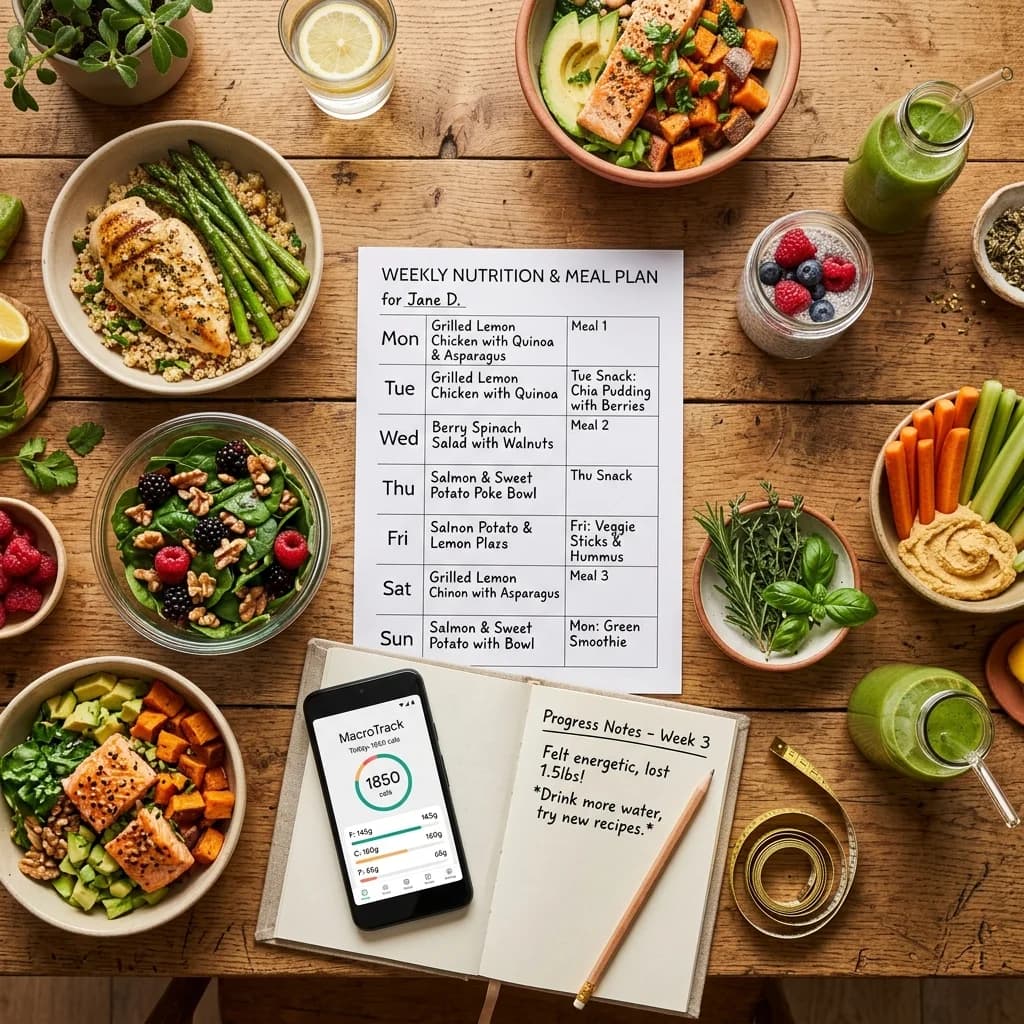
Pan-Seared Beef Tenderloin with Garlic-Steamed Kale
The Story
This healthy Pan-Seared Beef Tenderloin with Garlic-Steamed Kale recipe is a clean eating meal option rich in nutrients. Optimized for Keto, Low-Carb, Gluten-Free, Muscle Maintenance, Beef Tenderloin and created by certified nutritionist Stewart Lucas, it is designed to fit seamlessly into a health-focused lifestyle.
Quick Summary
This pan-seared beef tenderloin is a masterclass in simplicity. By pairing the luxurious, melt-in-your-mouth texture of tenderloin with the bright, earthiness of garlicky kale, you create a nutrient-dense meal that feels indulgent yet respects your body’s need for high-quality fuel. Ready in under 30 minutes, it is the perfect solution for busy weeknights when you refuse to compromise on quality.
Why This Meal Works
There is a quiet magic that happens in a hot skillet when a piece of high-quality beef hits the surface. The sound—a sharp, aggressive sizzle—is the first signal that you are about to create something special. I love this recipe because it strips away the excess. We aren't hiding the steak under heavy sauces or burying the greens in cream. We are letting the ingredients speak for themselves.
Tenderloin is a lean cut, which means it provides ample protein without the excessive saturated fats found in ribeye or T-bone. Pairing it with kale is a strategic nutritional move; the slight bitterness of the greens balances the richness of the meat, while the lemon juice helps your body absorb the non-heme iron found in the vegetables. It is balanced, it is clean, and it satisfies on every level.
Ingredients
- 4 Beef tenderloin steaks (4oz each, room temperature)
- 1 tbsp extra virgin olive oil (or avocado oil for higher heat)
- 1 tsp sea salt (flaky salt is even better)
- 1/2 tsp freshly cracked black pepper
- 2 bunches fresh kale, stems removed and torn into bite-sized pieces
- 2 cloves garlic, finely minced
- 1 tbsp fresh lemon juice
- 1 tbsp toasted sesame seeds
Nutritional Science & Benefits
Beef tenderloin is an exceptional source of heme iron and Vitamin B12, which are essential for maintaining energy levels and cognitive function. When you steam your kale, you aren't just cooking it—you're making the nutrients more bioavailable. Kale is loaded with Vitamin K, Vitamin C, and powerful antioxidants like quercetin. Adding a touch of healthy fat (like a drizzle of olive oil) helps your body effectively absorb the fat-soluble vitamins (A, D, E, and K) that the kale provides.
The Method
Cooking is a sensory experience. Start by taking your steaks out of the refrigerator 20 minutes before you plan to cook. A cold steak hitting a hot pan will seize up and cook unevenly.
- The Prep: Pat the steaks thoroughly dry. Moisture is the enemy of a good crust. Use a paper towel to remove every drop of liquid from the surface. Season liberally with salt and pepper.
- The Sear: Get your heavy-bottomed skillet—cast iron is my favorite here—screaming hot. Add your oil. When it shimmers, carefully place your steaks in. Do not move them! Let that crust form undisturbed for about 4 minutes. You are looking for a deep, dark brown sear.
- The Flip: Flip once. Repeat for 3-4 minutes on the other side. If you have a meat thermometer, pull them at 125°F for a perfect medium-rare.
- The Rest: Transfer the steaks to a wooden cutting board. This is non-negotiable. If you cut into the meat now, those precious juices will run out onto the board. Give them 5 to 7 minutes to relax.
- The Greens: While the meat rests, throw the kale into a pan with two tablespoons of water. Cover it. The steam will wilt the leaves in about 3 minutes. Drain any excess water, remove from heat, and stir in your garlic, lemon juice, and sesame seeds. The residual heat will soften the garlic just enough to take the "bite" out of it.
Stewart's Culinary Coaching Tips
If you want to elevate this dish, consider adding a tiny dash of soy sauce or coconut aminos to the kale along with the lemon. It creates a subtle umami depth that makes the greens taste savory, rather than just "healthy." Also, always zest your lemon before you juice it—that bright, citrus oil is the secret to a professional-tasting finish.
Meal Prep & Storage
This dish is fantastic for meal prep because the components hold up well. If you are cooking ahead, store the steaks and the kale in separate airtight glass containers. When reheating the steak, do not use a microwave; it will turn the tenderloin into shoe leather. Instead, slice it thinly cold or room temperature over a salad, or quickly flash-sear the slices in a warm pan for just 30 seconds.
The kale stays fresh in the fridge for up to 3 days. To reheat, simply toss it in a pan over medium heat with a splash of water for one minute.
Flavor Variations
The Mediterranean Twist
Swap the sesame seeds for toasted pine nuts and add a sprinkle of feta cheese to the kale right before serving.
The Protein Swap
If you are looking for a leaner weekday version, this method works beautifully with thick-cut wild salmon fillets. Simply reduce the sear time to 3 minutes per side.
The Heat Seeker
Add a teaspoon of chili crisp or red pepper flakes to the kale for a gentle, warming heat that pairs perfectly with the beef.
Nutrition Snapshot
| Nutrient | Amount |
|---|---|
| Protein | 48g |
| Fat | 22g |
| Carbohydrates | 8g |
| Calories | 450 kcal |
This healthy Pan-Seared Beef Tenderloin with Garlic-Steamed Kale recipe is a clean eating meal option rich in nutrients. Optimized for Keto, Low-Carb, Gluten-Free, Muscle Maintenance, Beef Tenderloin and created by certified nutritionist Stewart Lucas, it is designed to fit seamlessly into a health-focused lifestyle.
Key Takeaways
- ✓Vetted recipe compliant with a balanced keto dietary lifestyle.
- ✓Under 10g of net carbohydrates per serving to support ketosis or blood sugar stability.
- ✓100% gluten-free ingredients suitable for celiac or gluten-sensitive diets.
- ✓Vetted recipe compliant with a balanced muscle maintenance dietary lifestyle.
Pan-Seared Beef Tenderloin with Garlic-Steamed Kale
This healthy Pan-Seared Beef Tenderloin with Garlic-Steamed Kale recipe is a clean eating meal option rich in nutrients. Optimized for Keto, Low-Carb, Gluten-Free, Muscle Maintenance, Beef Tenderloin and created by certified nutritionist Stewart Lucas, it is designed to fit seamlessly into a health-focused lifestyle.
Macro Nutrition Profile (Per Serving)
Ingredients
Ingredient Substitutions
| Original Ingredient | Healthy Alternative |
|---|---|
| Animal protein | Firm tofu, tempeh, or organic chickpeas |
| Cooking fat | Extra virgin olive oil or grass-fed butter |
Instructions
The Prep: Pat the steaks thoroughly dry. Moisture is the enemy of a good crust. Use a paper towel to remove every drop of liquid from the surface. Season liberally with salt and pepper.
The Sear: Get your heavy-bottomed skillet—cast iron is my favorite here—screaming hot. Add your oil. When it shimmers, carefully place your steaks in. Do not move them! Let that crust form undisturbed for about 4 minutes. You are looking for a deep, dark brown sear.
The Flip: Flip once. Repeat for 3-4 minutes on the other side. If you have a meat thermometer, pull them at 125°F for a perfect medium-rare.
The Rest: Transfer the steaks to a wooden cutting board. This is non-negotiable. If you cut into the meat now, those precious juices will run out onto the board. Give them 5 to 7 minutes to relax.
The Greens: While the meat rests, throw the kale into a pan with two tablespoons of water. Cover it. The steam will wilt the leaves in about 3 minutes. Drain any excess water, remove from heat, and stir in your garlic, lemon juice, and sesame seeds. The residual heat will soften the garlic just enough to take the "bite" out of it.
Tried this recipe?
Let us know how it turned out! Click a star below to leave a review and rate the recipe.
Storage & Freezing Tips
- Refrigerator: Store in an airtight container for up to 3 days. Keep the components separate if possible to preserve texture.
- Reheating: Reheat gently in a skillet on medium-low heat with a splash of olive oil or butter.
- Freezing: Freezing is not recommended for this dish because ingredients like kale become soggy, rubbery, or mushy when defrosted.
Frequently Asked Questions
How do I know when the steak is truly ready?▼
Using an instant-read thermometer is the only way to be 100% sure. Aim for 125°F for medium-rare. Remember, the internal temperature will continue to climb by about 5 degrees while the steak rests, hitting that perfect 130°F mark.
Can I substitute the kale for something else?▼
Absolutely. Baby spinach is a fantastic, milder alternative that requires even less cooking time (just 60 seconds). Swiss chard or collard greens are great if you want something with a bit more structural integrity.
Is this meal suitable for a keto or low-carb diet?▼
Yes, it fits perfectly. This meal is naturally high in protein and healthy fats with very few net carbs, making it an excellent choice for those focused on metabolic health or weight management.
Why does the garlic need to be added at the end?▼
Garlic has a tendency to burn and turn bitter if it’s exposed to high heat for too long. By adding it to the kale after the heat is turned off, you allow the heat to mellow the garlic's sharpness without destroying its essential oils.
Tried this recipe?
Tag @stewartlucas on Instagram and hashtag it #nutriguide!
You Might Also Like

Stewart Lucas
Nutritionist & Recipe DeveloperStewart Lucas is a nutritionist and recipe developer representing the NutriGuide team. All recipes, nutritional values, and diet protocols published on this site are designed and audited by certified dietitians and clinical nutrition professionals to guarantee absolute accuracy.
Community Reviews
Please log in to leave a review.