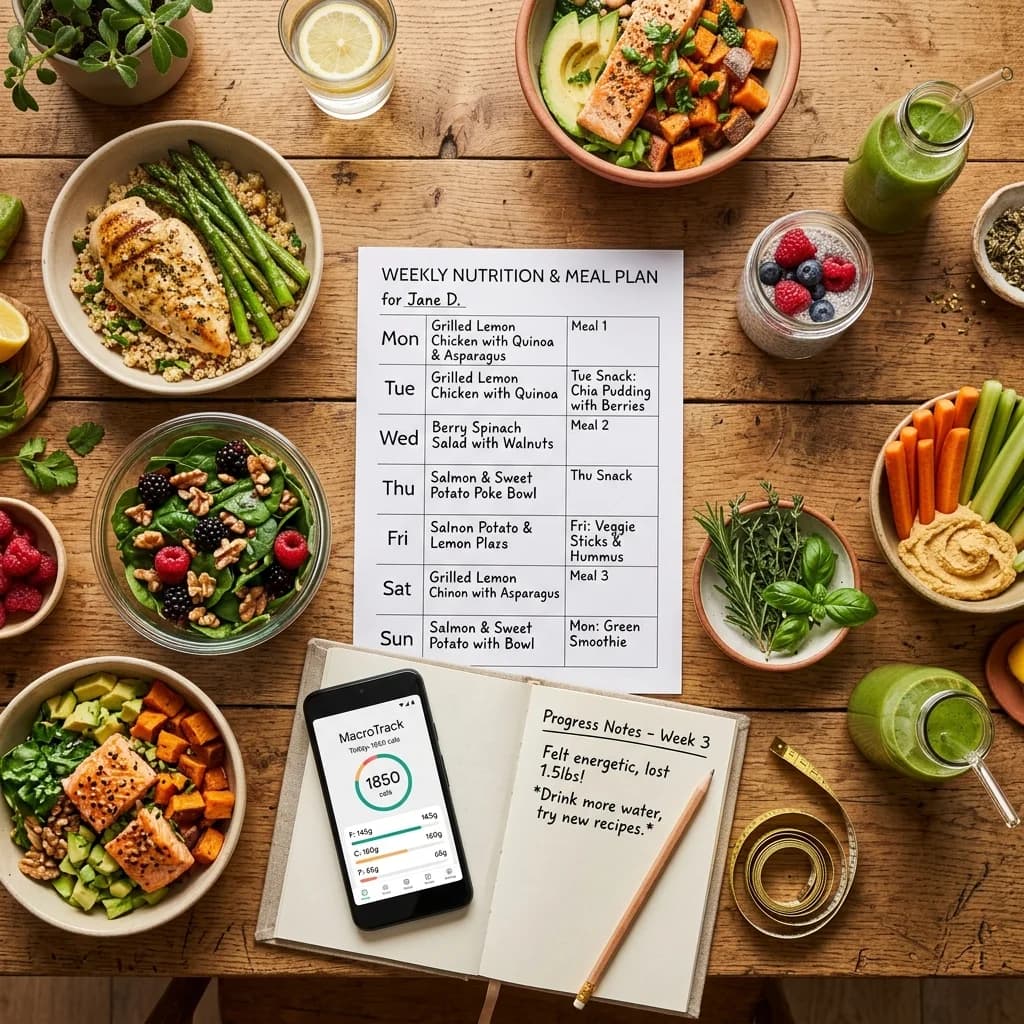
Pan-Seared Salmon with Garlic Asparagus
The Story
This healthy Pan-Seared Salmon with Garlic Asparagus recipe is a clean eating meal option rich in nutrients. Optimized for Salmon, Keto, Gluten-Free, Dairy-Free, Low-Carb and created by certified nutritionist Stewart Lucas, it is designed to fit seamlessly into a health-focused lifestyle.
Quick Summary
This pan-seared salmon with garlic asparagus is the ultimate weeknight win. It provides a massive protein punch, healthy omega-3 fatty acids, and vibrant, fiber-rich greens—all pulled together in under 20 minutes. It is elegant enough for guests but simple enough for a Tuesday night reset.
Why This Recipe Works
There is something grounding about standing at the stove, listening to the gentle hiss of olive oil hitting a preheated pan. I have always believed that the best meals aren't the ones that require three hours of prep, but the ones that respect the quality of the ingredients you’ve chosen. Salmon is a beautiful, forgiving canvas; when treated with high, dry heat, the proteins seize up just enough to create that coveted, crispy skin while keeping the interior buttery and succulent.
By pairing the rich, fatty mouthfeel of the salmon with the sharp, earthy, and slightly crunchy profile of fresh asparagus, you get a balanced experience on the palate. The garlic infuses the oil, creating a savory aromatic cloud that fills your kitchen—a simple kitchen ritual that signals to your body that it is time to slow down and nourish yourself.
Ingredients You Will Need
- 4 (6oz) wild-caught salmon fillets, skin-on
- 1 lb fresh asparagus, woody ends snapped off
- 3 tbsp high-quality extra virgin olive oil
- 4 cloves garlic, thinly sliced (not minced, to avoid burning)
- 1 tbsp fresh lemon zest, for that bright finish
- 1 tsp sea salt, adjusted to your preference
- ½ tsp freshly cracked black pepper
- A handful of fresh dill, chopped for a grassy, herbaceous lift
Method: The Path to Perfection
- The Prep: Take your salmon out of the fridge about 15 minutes before you start. Cold fish hitting a hot pan is a recipe for uneven cooking. Pat the fillets bone-dry with paper towels. Moisture is the enemy of a good sear; if the fish is wet, it will steam instead of crisp.
- The Seasoning: Sprinkle the sea salt and cracked pepper generously over both sides of the fillets. Don't be shy; the salt will help draw out a tiny bit of moisture, deepening that crust.
- The Sear: Heat your olive oil in a heavy stainless steel or cast-iron skillet over medium-high heat. Wait for the oil to shimmer—this is your signal. Lay the salmon into the pan, skin-side down. Press down gently with a spatula for ten seconds to ensure the skin makes full contact. Leave it alone for 4 minutes. Resist the urge to poke it.
- The Flip & The Greens: Once the skin has achieved a deep, mahogany gold and releases from the pan, carefully flip the fillets. Immediately toss your asparagus and sliced garlic into the empty spaces in the pan. The garlic will soften in the rendered salmon oils, becoming nutty and sweet.
- The Finish: Cook for another 3-4 minutes. You are looking for the asparagus to be tender-crisp—it should still have a slight snap when bitten. The salmon should flake away easily when touched with a fork. Remove from heat immediately, zest the fresh lemon over the top, and shower with the dill.
Nutritional Science & Benefits
This meal is a powerhouse of micronutrients. Wild salmon is an exceptional source of Omega-3 fatty acids, specifically EPA and DHA, which are crucial for cardiovascular health and cognitive function. The asparagus acts as a natural prebiotic, supporting a healthy gut microbiome, and is packed with Vitamin K, which is essential for bone health. By keeping the cooking time short, we preserve the integrity of these delicate vitamins and healthy fats.
Meal Prep & Storage Guide
If you are cooking this for a busy week ahead, you can snap the woody ends off the asparagus and store them in a damp paper towel in the fridge up to two days in advance. I don't recommend searing the salmon ahead of time, as it can dry out during the reheating process. However, if you have leftovers, store them in an airtight container for up to 24 hours.
To reheat, avoid the microwave at all costs—it will turn the fish rubbery. Instead, place the salmon and asparagus in a cold skillet with a tiny splash of water, cover with a lid, and heat over low heat for 3-5 minutes until warmed through. The steam will gently revive the texture.
Flavor Variations
The Mediterranean Twist
Toss a handful of halved cherry tomatoes and Kalamata olives into the pan with the asparagus for a punch of acidity and salt.
Spicy Heat
Add a pinch of red chili flakes to the olive oil before the salmon hits the pan for a subtle, warming glow.
Citrus Swap
If you aren't a fan of lemon, try fresh orange zest and a splash of soy sauce for a more savory, umami-forward profile.
Nutritional Snapshot
| Nutrient | Amount |
|---|---|
| Calories | 450 kcal |
| Protein | 42g |
| Fat | 28g |
| Carbs | 8g |
This healthy Pan-Seared Salmon with Garlic Asparagus recipe is a clean eating meal option rich in nutrients. Optimized for Salmon, Keto, Gluten-Free, Dairy-Free, Low-Carb and created by certified nutritionist Stewart Lucas, it is designed to fit seamlessly into a health-focused lifestyle.
Key Takeaways
- ✓Vetted recipe compliant with a balanced salmon dietary lifestyle.
- ✓Vetted recipe compliant with a balanced keto dietary lifestyle.
- ✓100% gluten-free ingredients suitable for celiac or gluten-sensitive diets.
- ✓Vetted recipe compliant with a balanced dairy-free dietary lifestyle.
Pan-Seared Salmon with Garlic Asparagus
This healthy Pan-Seared Salmon with Garlic Asparagus recipe is a clean eating meal option rich in nutrients. Optimized for Salmon, Keto, Gluten-Free, Dairy-Free, Low-Carb and created by certified nutritionist Stewart Lucas, it is designed to fit seamlessly into a health-focused lifestyle.
Macro Nutrition Profile (Per Serving)
Ingredients
Ingredient Substitutions
| Original Ingredient | Healthy Alternative |
|---|---|
| Salmon/Cod | Steelhead trout, halibut, or sea bass (baking times may vary) |
| Asparagus/Veg | Zucchini slices, broccoli florets, or green beans (roast at same temperature) |
Instructions
The Prep: Take your salmon out of the fridge about 15 minutes before you start. Cold fish hitting a hot pan is a recipe for uneven cooking. Pat the fillets bone-dry with paper towels. Moisture is the enemy of a good sear; if the fish is wet, it will steam instead of crisp.
The Seasoning: Sprinkle the sea salt and cracked pepper generously over both sides of the fillets. Don't be shy; the salt will help draw out a tiny bit of moisture, deepening that crust.
The Sear: Heat your olive oil in a heavy stainless steel or cast-iron skillet over medium-high heat. Wait for the oil to shimmer—this is your signal. Lay the salmon into the pan, skin-side down. Press down gently with a spatula for ten seconds to ensure the skin makes full contact. Leave it alone for 4 minutes. Resist the urge to poke it.
The Flip & The Greens: Once the skin has achieved a deep, mahogany gold and releases from the pan, carefully flip the fillets. Immediately toss your asparagus and sliced garlic into the empty spaces in the pan. The garlic will soften in the rendered salmon oils, becoming nutty and sweet.
The Finish: Cook for another 3-4 minutes. You are looking for the asparagus to be tender-crisp—it should still have a slight snap when bitten. The salmon should flake away easily when touched with a fork. Remove from heat immediately, zest the fresh lemon over the top, and shower with the dill.
Tried this recipe?
Let us know how it turned out! Click a star below to leave a review and rate the recipe.
Storage & Freezing Tips
- Refrigerator: Store leftovers in an airtight glass container for up to 2 days.
- Reheating: Warm gently in a skillet on medium-low heat with a lid to keep the fish tender. Avoid microwaving to prevent rubbery texture.
- Freezing: We do not recommend freezing cooked fish as it degrades the texture.
Frequently Asked Questions
Can I substitute frozen salmon?▼
Yes, but the quality of the sear depends on moisture control. Thaw the fillets completely in the refrigerator overnight. Once thawed, use extra paper towels to press out all excess moisture before seasoning.
How do I know when the salmon is done?▼
The salmon should be opaque throughout. When you press the side of the fillet gently with a fork, it should begin to flake along the natural lines of the muscle. If it feels firm and resists flaking, give it another minute.
Is this dish keto-friendly?▼
It is perfectly suited for a ketogenic or low-carb lifestyle. It focuses on high-quality proteins and healthy fats, with minimal impact on blood glucose levels.
What is the best type of pan to use?▼
A heavy-bottomed stainless steel or seasoned cast-iron skillet is ideal. These materials hold heat well, which is necessary to get that restaurant-style crust without overcooking the delicate interior.
Tried this recipe?
Tag @stewartlucas on Instagram and hashtag it #nutriguide!
You Might Also Like

Stewart Lucas
Nutritionist & Recipe DeveloperStewart Lucas is a nutritionist and recipe developer representing the NutriGuide team. All recipes, nutritional values, and diet protocols published on this site are designed and audited by certified dietitians and clinical nutrition professionals to guarantee absolute accuracy.
Community Reviews
Please log in to leave a review.