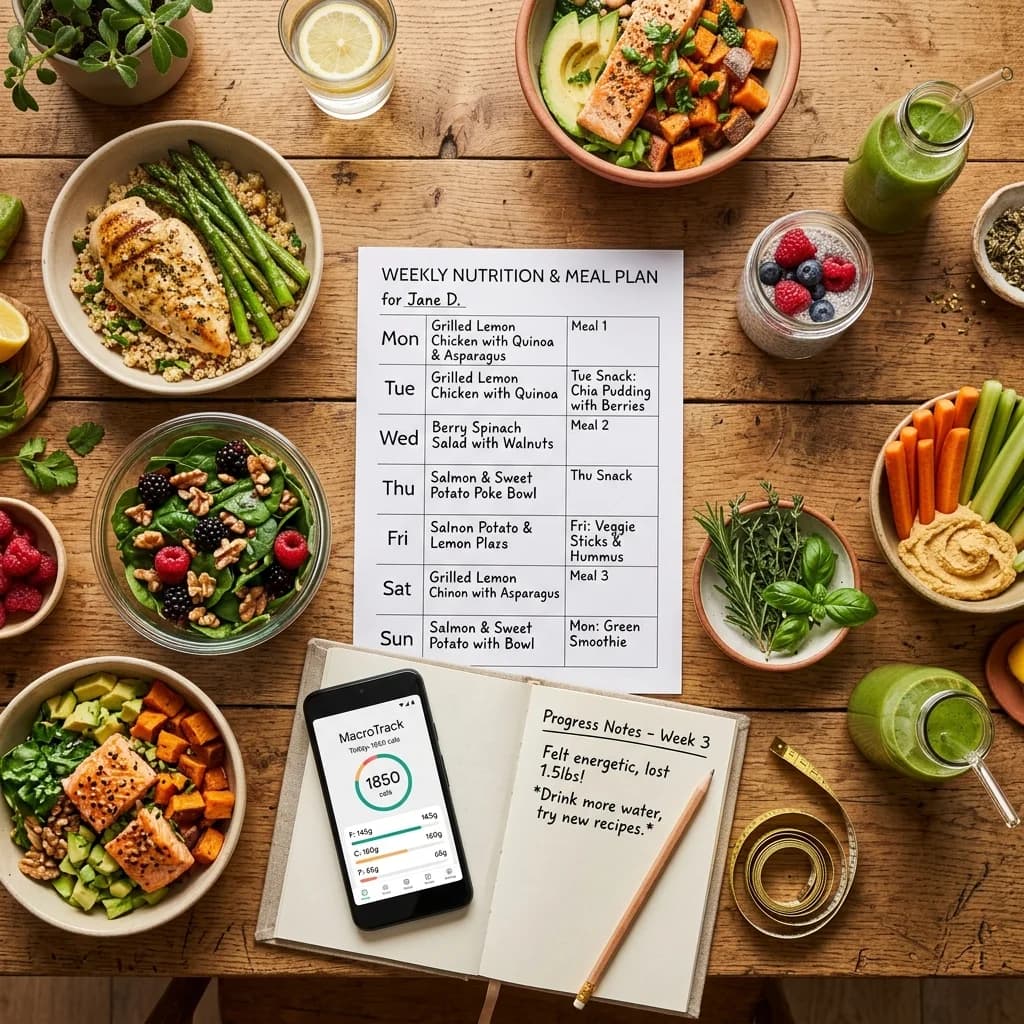
Pan-Seared Salmon with Lemon-Garlic Asparagus
The Story
This healthy Pan-Seared Salmon with Lemon-Garlic Asparagus recipe is a clean eating meal option rich in nutrients. Optimized for Salmon, Asparagus, Keto, Gluten-Free, Dairy-Free and created by certified nutritionist Stewart Lucas, it is designed to fit seamlessly into a health-focused lifestyle.
Pan-Seared Salmon with Lemon-Garlic Asparagus
A Simple Dinner That Feels Like a Reward
There is a specific kind of satisfaction that comes from mastering a perfectly seared piece of salmon. You know the one—where the skin shatters like glass when you take a fork to it, revealing buttery, tender, pale-pink flesh that flakes away with zero resistance. Pair that with the vibrant, earthy crunch of fresh asparagus, and you have a meal that feels like a quiet celebration on a Tuesday evening.
I often tell my clients that nutrition doesn't have to be complicated to be effective. In fact, some of the most healing meals I’ve ever prepared are the ones with the shortest ingredient lists. This dish relies on the quality of your produce and the heat of your pan. When you let the salmon sizzle in the olive oil and catch the scent of garlic blooming in the skillet, you realize that healthy eating isn't about restriction; it's about honoring good ingredients.
Ingredients
- 4 salmon fillets (about 6oz each), skin-on preferred
- 1 lb fresh asparagus, woody ends trimmed
- 2 tbsp extra virgin olive oil
- 2 cloves garlic, finely minced
- 1 tbsp fresh lemon juice, plus extra wedges for serving
- 1 tsp sea salt
- 1/2 tsp freshly cracked black pepper
The Preparation Method
- The Prep: Start by patting your salmon fillets completely dry with paper towels. Moisture is the enemy of a good sear. If the skin is wet, it will steam instead of crisping. Season both sides generously with your salt and pepper.
- The Sear: Get your skillet nice and hot over medium-high heat. Add your oil. When the oil begins to shimmer, carefully lay the salmon fillets into the pan, skin-side down. Press down gently with a spatula for a few seconds to ensure the skin makes full contact with the metal. Let it cook undisturbed for about 5–6 minutes. You’ll know it’s ready to flip when the skin releases naturally from the pan.
- The Finish: Flip the fillets and cook for another 2–3 minutes for medium-doneness. Remove the fish to a warm plate.
- The Vegetables: In the same pan, drop in your trimmed asparagus. If the pan looks dry, add a tiny drizzle more oil. Sauté these for 4–5 minutes until they turn a brilliant, vivid green. Add the garlic and lemon juice in the final minute—just enough to let the garlic fragrance fill the kitchen without letting it burn. Serve immediately alongside your salmon.
Salmon is a powerhouse of Omega-3 fatty acids, which support cardiovascular health and brain function. Pair this with asparagus—a fantastic source of prebiotic fiber and folate—and you have a meal that stabilizes blood sugar while providing high-quality protein to support muscle recovery. The Vitamin C in the lemon juice also aids in the absorption of iron found in the green stalks.
Meal Prep & Storage Guide
This dish is exceptionally friendly for those who batch-cook. If you are prepping for the week ahead, store the seared salmon and the cooked asparagus in airtight glass containers. They will stay fresh in the refrigerator for up to three days.
To reheat, I suggest avoiding the microwave, which tends to turn salmon rubbery. Instead, place the salmon and asparagus in a cold skillet with a splash of water. Cover with a lid and heat over medium-low for 3–4 minutes. The steam will gently warm the fish through without overcooking the delicate proteins, and it will keep the asparagus from becoming mushy.
Flavor Variations
The Mediterranean Twist
Toss a handful of halved cherry tomatoes and pitted Kalamata olives into the pan during the final two minutes of sautéing the asparagus.
The Zesty Herb
Swap the lemon juice for a tablespoon of lemon zest and finish the dish with a generous handful of freshly chopped dill or parsley for a burst of brightness.
The Spice Route
If you enjoy heat, sprinkle a pinch of red pepper flakes over the asparagus while it sautés, or add a dash of smoked paprika to the salmon seasoning before searing.
Nutrition Snapshot
| Nutrient | Amount per Serving |
|---|---|
| Calories | 450 kcal |
| Protein | 42g |
| Fat | 28g |
| Carbohydrates | 8g |
This healthy Pan-Seared Salmon with Lemon-Garlic Asparagus recipe is a clean eating meal option rich in nutrients. Optimized for Salmon, Asparagus, Keto, Gluten-Free, Dairy-Free and created by certified nutritionist Stewart Lucas, it is designed to fit seamlessly into a health-focused lifestyle.
Key Takeaways
- ✓Vetted recipe compliant with a balanced salmon dietary lifestyle.
- ✓Vetted recipe compliant with a balanced asparagus dietary lifestyle.
- ✓Vetted recipe compliant with a balanced keto dietary lifestyle.
- ✓100% gluten-free ingredients suitable for celiac or gluten-sensitive diets.
Pan-Seared Salmon with Lemon-Garlic Asparagus
This healthy Pan-Seared Salmon with Lemon-Garlic Asparagus recipe is a clean eating meal option rich in nutrients. Optimized for Salmon, Asparagus, Keto, Gluten-Free, Dairy-Free and created by certified nutritionist Stewart Lucas, it is designed to fit seamlessly into a health-focused lifestyle.
Macro Nutrition Profile (Per Serving)
Ingredients
Ingredient Substitutions
| Original Ingredient | Healthy Alternative |
|---|---|
| Salmon/Cod | Steelhead trout, halibut, or sea bass (baking times may vary) |
| Asparagus/Veg | Zucchini slices, broccoli florets, or green beans (roast at same temperature) |
Instructions
The Prep: Start by patting your salmon fillets completely dry with paper towels. Moisture is the enemy of a good sear. If the skin is wet, it will steam instead of crisping. Season both sides generously with your salt and pepper.
The Sear: Get your skillet nice and hot over medium-high heat. Add your oil. When the oil begins to shimmer, carefully lay the salmon fillets into the pan, skin-side down. Press down gently with a spatula for a few seconds to ensure the skin makes full contact with the metal. Let it cook undisturbed for about 5–6 minutes. You’ll know it’s ready to flip when the skin releases naturally from the pan.
The Finish: Flip the fillets and cook for another 2–3 minutes for medium-doneness. Remove the fish to a warm plate.
The Vegetables: In the same pan, drop in your trimmed asparagus. If the pan looks dry, add a tiny drizzle more oil. Sauté these for 4–5 minutes until they turn a brilliant, vivid green. Add the garlic and lemon juice in the final minute—just enough to let the garlic fragrance fill the kitchen without letting it burn. Serve immediately alongside your salmon.
Tried this recipe?
Let us know how it turned out! Click a star below to leave a review and rate the recipe.
Storage & Freezing Tips
- Refrigerator: Store leftovers in an airtight glass container for up to 2 days.
- Reheating: Warm gently in a skillet on medium-low heat with a lid to keep the fish tender. Avoid microwaving to prevent rubbery texture.
- Freezing: We do not recommend freezing cooked fish as it degrades the texture.
Frequently Asked Questions
Can I bake this dish instead of pan-searing?▼
Yes, absolutely. If you prefer a hands-off approach, preheat your oven to 400°F (200°C). Arrange the salmon and trimmed asparagus on a single sheet pan. Drizzle with oil and seasonings, and roast for 12–15 minutes until the salmon is opaque and the asparagus is tender. It is a fantastic method for busy weeknights.
What should I do if the salmon skin sticks to the pan?▼
Sticking usually happens for two reasons: the pan wasn't hot enough, or you moved the fish too soon. Always let the oil shimmer before adding the salmon, and resist the urge to nudge it. Once a proper crust forms, the fish will naturally release from the surface of the pan. If you are still struggling, a well-seasoned cast iron skillet is your best friend.
Is this recipe suitable for a Keto or Low-Carb diet?▼
Yes, this is an inherently low-carb meal. It is rich in healthy fats from the salmon and olive oil, with minimal carbohydrates coming from the asparagus, which is a fiber-rich, low-glycemic vegetable. It fits perfectly into a ketogenic lifestyle.
How can I tell when the salmon is fully cooked?▼
The best way is to look at the side of the fillet. You will see the color change from deep, translucent pink to a lighter, opaque shade as the heat moves upward. When it reaches about 3/4 of the way up the side of the fish, it is time to flip. When done, it should flake easily with a fork and be opaque all the way through.
Tried this recipe?
Tag @stewartlucas on Instagram and hashtag it #nutriguide!
You Might Also Like

Stewart Lucas
Nutritionist & Recipe DeveloperStewart Lucas is a nutritionist and recipe developer representing the NutriGuide team. All recipes, nutritional values, and diet protocols published on this site are designed and audited by certified dietitians and clinical nutrition professionals to guarantee absolute accuracy.
Community Reviews
Please log in to leave a review.