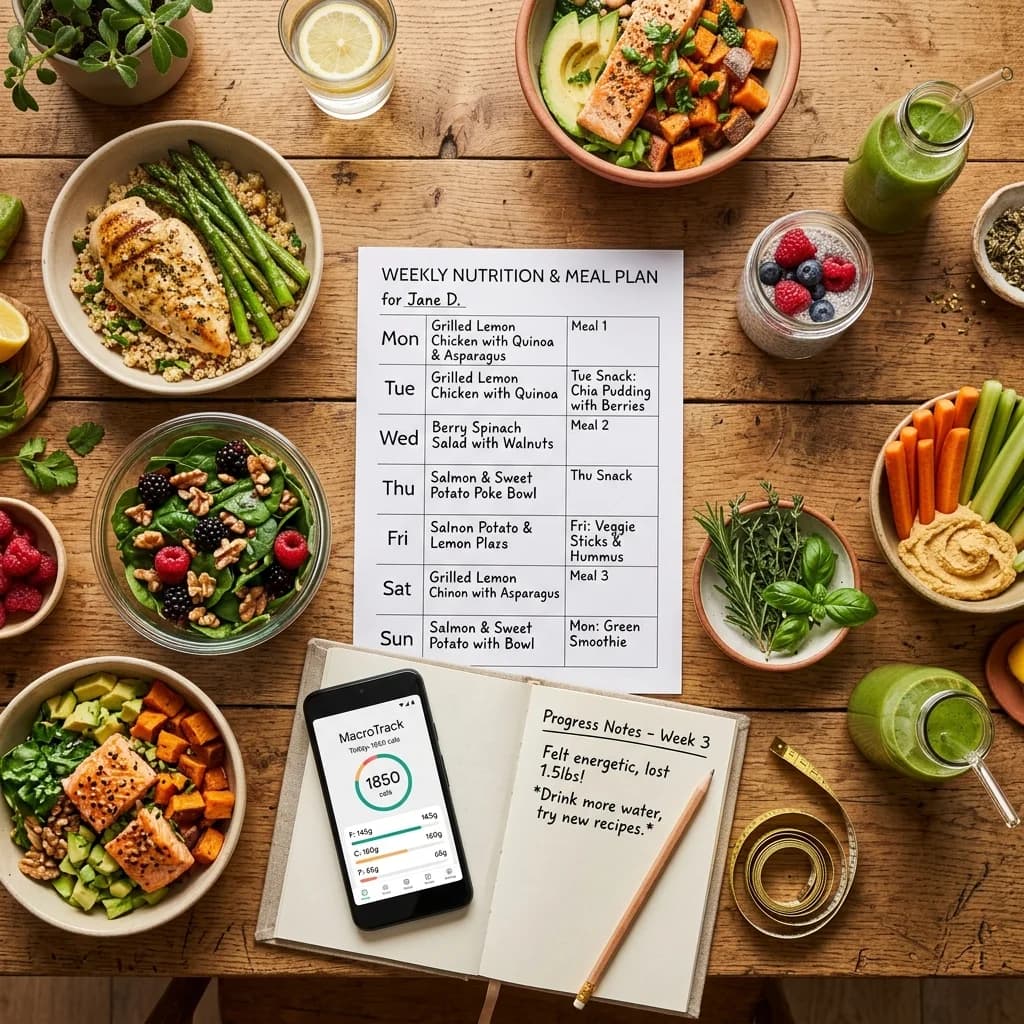
Pan-Seared Salmon with Roasted Asparagus
The Story
This healthy Pan-Seared Salmon with Roasted Asparagus recipe is a clean eating meal option rich in nutrients. Optimized for Salmon, Asparagus, Gluten-Free, Keto, Low-Carb and created by certified nutritionist Stewart Lucas, it is designed to fit seamlessly into a health-focused lifestyle.
Quick Summary
This pan-seared salmon with roasted asparagus is the ultimate weeknight staple. By pairing omega-3-rich salmon with fibrous, nutrient-dense asparagus, you get a meal that supports heart health and keeps you full for hours. It takes less than 30 minutes, relies on basic pantry staples, and delivers restaurant-quality texture right in your own kitchen.
Why This Recipe Works
I often tell my clients that healthy cooking shouldn't feel like a chore. We often overcomplicate things with too many steps, but the most satisfying meals are usually the ones that focus on technique over complexity. When you sear salmon properly, you aren't just cooking fish; you are building flavor. That initial sizzle as the fillet hits the hot oil—that’s the sound of caramelization, where the proteins on the surface brown and develop a deep, savory richness.
The beauty of this dish lies in the contrast. You have the silky, buttery texture of the salmon interior against the crisp, salty skin. Balancing that with the earthiness of roasted asparagus—which loses its raw bite and becomes slightly sweet and tender under high heat—makes for a plate that feels intentional and balanced. It is a clean, honest meal that nourishes the body without leaving you feeling sluggish.
Ingredients
- 4 salmon fillets (6oz each), skin-on
- 1 lb fresh asparagus, woody ends trimmed
- 2 tbsp extra-virgin olive oil
- 1 tbsp fresh lemon juice
- 1 tsp sea salt
- 1/2 tsp freshly cracked black pepper
- 2 cloves garlic, minced
- Fresh dill, finely chopped (for garnish)
Step-by-Step Cooking Guide
- Prep the Oven and Asparagus: Preheat your oven to 400°F (200°C). Lay your trimmed asparagus on a baking sheet. Drizzle with a tablespoon of olive oil, sprinkle with salt, pepper, and the minced garlic. Toss to coat evenly. Roast for 10–12 minutes until tender but still holding a bit of a "snap."
- Dry the Salmon: This is my most important step. Use a paper towel to pat the salmon fillets—especially the skin side—until they are bone-dry. Moisture is the enemy of a good sear; if the fish is wet, it will steam instead of crisping.
- The Sear: Get your stainless steel or cast-iron skillet nice and hot over medium-high heat. Add the remaining oil. Once the oil shimmers, place the salmon skin-side down.
- Patience is Key: Press the fillets down gently with a spatula for the first 30 seconds to prevent the skin from curling. Then, leave it alone! Let it sear for 4–5 minutes. You'll know it's ready to flip when the skin releases naturally from the pan without sticking.
- The Finish: Flip the fillets. Cook for another 3 minutes for a medium-to-medium-well finish. A squeeze of fresh lemon right at the end brightens the flavor, cutting through the richness of the salmon fat.
Nutritional Science & Benefits
Salmon is a powerhouse of Omega-3 fatty acids, specifically EPA and DHA, which are essential for cardiovascular health and cognitive function. Asparagus acts as a perfect prebiotic partner, providing folate and fiber that support gut health. This combination keeps your blood sugar stable, avoiding the typical post-dinner energy dip.
| Nutrient | Amount per serving |
|---|---|
| Calories | 450 kcal |
| Protein | 42g |
| Total Fat | 28g |
| Carbohydrates | 6g |
Flavor Variations
Citrus-Herb Butter
Swap the lemon for a thin slice of orange on top while it rests, and add fresh parsley or chives instead of dill.
Spiced Kick
Rub the flesh side of the salmon with a tiny pinch of smoked paprika and cumin before searing for a deeper, smokier profile.
The Low-Carb "Pasta" Swap
If you’re looking to bulk up the meal, serve this over a bed of sautéed spinach or cauliflower rice tossed with the garlic-infused juices from the pan.
Meal Prep & Storage
If you’re prepping this for the week, I recommend storing the salmon and asparagus in separate airtight containers. The salmon will keep in the refrigerator for up to 3 days. To reheat, avoid the microwave if possible—it tends to make fish rubbery. Instead, place the salmon in a cold pan, add a teaspoon of water, cover, and heat on low for 3-4 minutes to steam it back to life.
This healthy Pan-Seared Salmon with Roasted Asparagus recipe is a clean eating meal option rich in nutrients. Optimized for Salmon, Asparagus, Gluten-Free, Keto, Low-Carb and created by certified nutritionist Stewart Lucas, it is designed to fit seamlessly into a health-focused lifestyle.
Key Takeaways
- ✓Vetted recipe compliant with a balanced salmon dietary lifestyle.
- ✓Vetted recipe compliant with a balanced asparagus dietary lifestyle.
- ✓100% gluten-free ingredients suitable for celiac or gluten-sensitive diets.
- ✓Vetted recipe compliant with a balanced keto dietary lifestyle.
Pan-Seared Salmon with Roasted Asparagus
This healthy Pan-Seared Salmon with Roasted Asparagus recipe is a clean eating meal option rich in nutrients. Optimized for Salmon, Asparagus, Gluten-Free, Keto, Low-Carb and created by certified nutritionist Stewart Lucas, it is designed to fit seamlessly into a health-focused lifestyle.
Macro Nutrition Profile (Per Serving)
Ingredients
Ingredient Substitutions
| Original Ingredient | Healthy Alternative |
|---|---|
| Salmon/Cod | Steelhead trout, halibut, or sea bass (baking times may vary) |
| Asparagus/Veg | Zucchini slices, broccoli florets, or green beans (roast at same temperature) |
Instructions
Prep the Oven and Asparagus: Preheat your oven to 400°F (200°C). Lay your trimmed asparagus on a baking sheet. Drizzle with a tablespoon of olive oil, sprinkle with salt, pepper, and the minced garlic. Toss to coat evenly. Roast for 10–12 minutes until tender but still holding a bit of a "snap."
Dry the Salmon: This is my most important step. Use a paper towel to pat the salmon fillets—especially the skin side—until they are bone-dry. Moisture is the enemy of a good sear; if the fish is wet, it will steam instead of crisping.
The Sear: Get your stainless steel or cast-iron skillet nice and hot over medium-high heat. Add the remaining oil. Once the oil shimmers, place the salmon skin-side down.
Patience is Key: Press the fillets down gently with a spatula for the first 30 seconds to prevent the skin from curling. Then, leave it alone! Let it sear for 4–5 minutes. You'll know it's ready to flip when the skin releases naturally from the pan without sticking.
The Finish: Flip the fillets. Cook for another 3 minutes for a medium-to-medium-well finish. A squeeze of fresh lemon right at the end brightens the flavor, cutting through the richness of the salmon fat.
Tried this recipe?
Let us know how it turned out! Click a star below to leave a review and rate the recipe.
Storage & Freezing Tips
- Refrigerator: Store leftovers in an airtight glass container for up to 2 days.
- Reheating: Warm gently in a skillet on medium-low heat with a lid to keep the fish tender. Avoid microwaving to prevent rubbery texture.
- Freezing: We do not recommend freezing cooked fish as it degrades the texture.
Frequently Asked Questions
How do I know when the salmon is fully cooked?▼
Use a fork to gently press into the thickest part of the fillet. If the flesh flakes easily along the natural white lines and looks opaque rather than translucent, it is ready. If you prefer precision, an internal temperature of 125°F to 130°F (52°C–54°C) is ideal for a moist, flaky result.
What if I don't have a cast-iron skillet?▼
A good quality stainless steel pan works just as well. If you are using a non-stick pan, just be aware that it might not develop quite as deep a crust as cast iron, but it will still be delicious. Avoid overcrowding the pan; if the fillets are touching, they will steam instead of sear.
Can I use frozen salmon for this?▼
Yes, but you must thaw it completely in the refrigerator overnight. After thawing, pat it extremely dry. Frozen salmon often retains more water than fresh, so spending extra time dabbing it with paper towels is the key to getting that skin crisp.
Can I swap the asparagus for another vegetable?▼
Absolutely. Green beans, broccoli florets, or even halved Brussels sprouts work beautifully with this method. Just adjust your roasting time—broccoli may take a few minutes less than asparagus, while Brussels sprouts usually need a few minutes more.
Tried this recipe?
Tag @stewartlucas on Instagram and hashtag it #nutriguide!
You Might Also Like
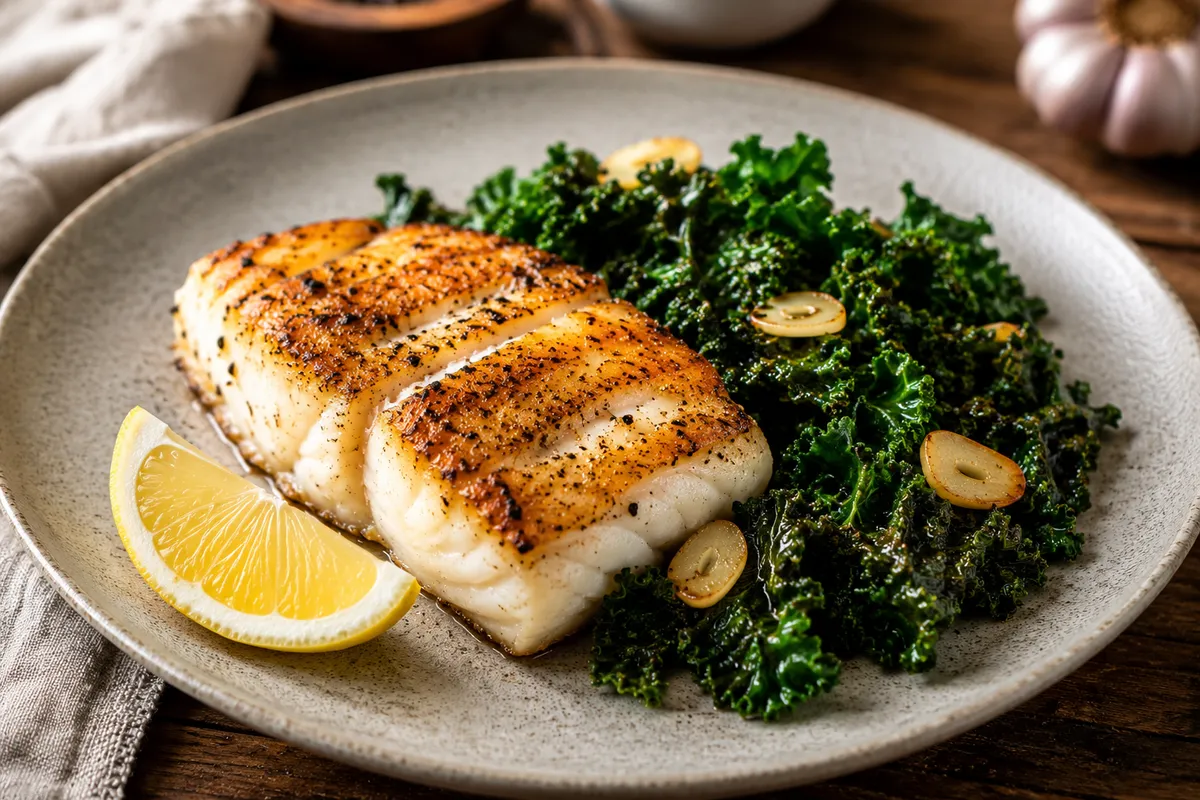
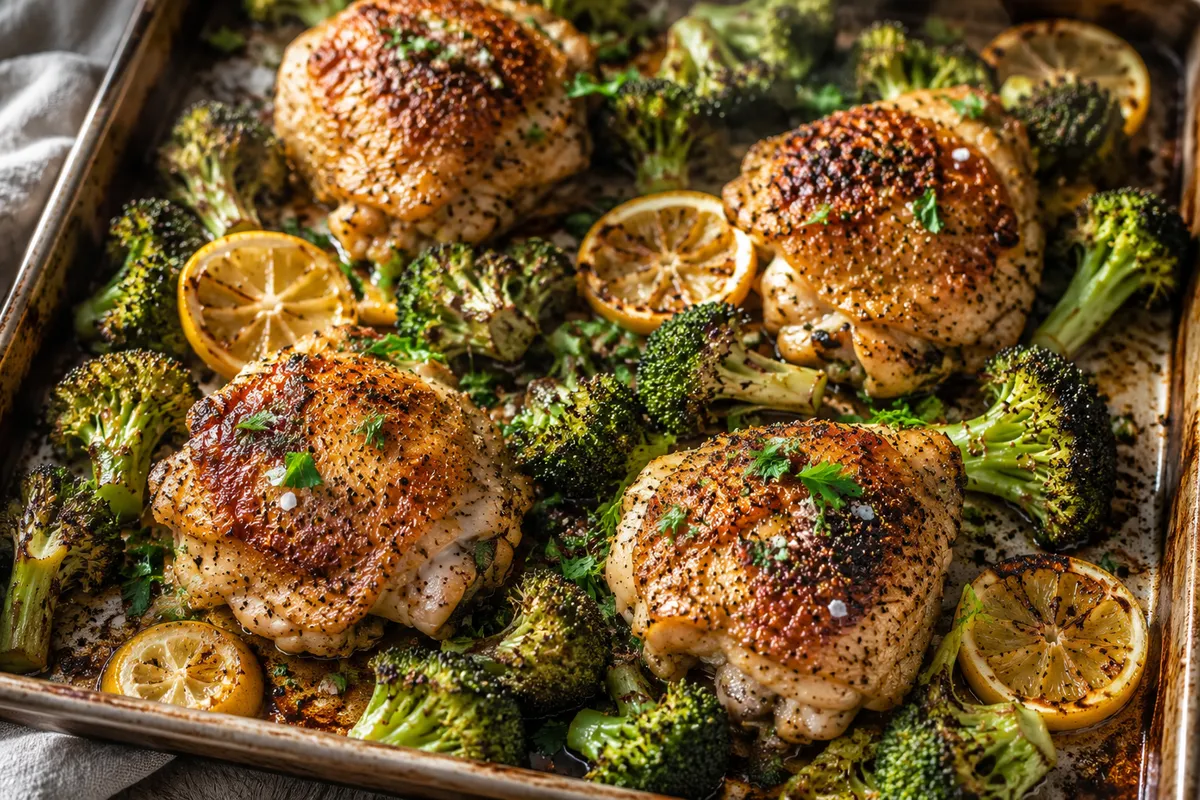

Stewart Lucas
Nutritionist & Recipe DeveloperStewart Lucas is a nutritionist and recipe developer representing the NutriGuide team. All recipes, nutritional values, and diet protocols published on this site are designed and audited by certified dietitians and clinical nutrition professionals to guarantee absolute accuracy.
Community Reviews
Please log in to leave a review.