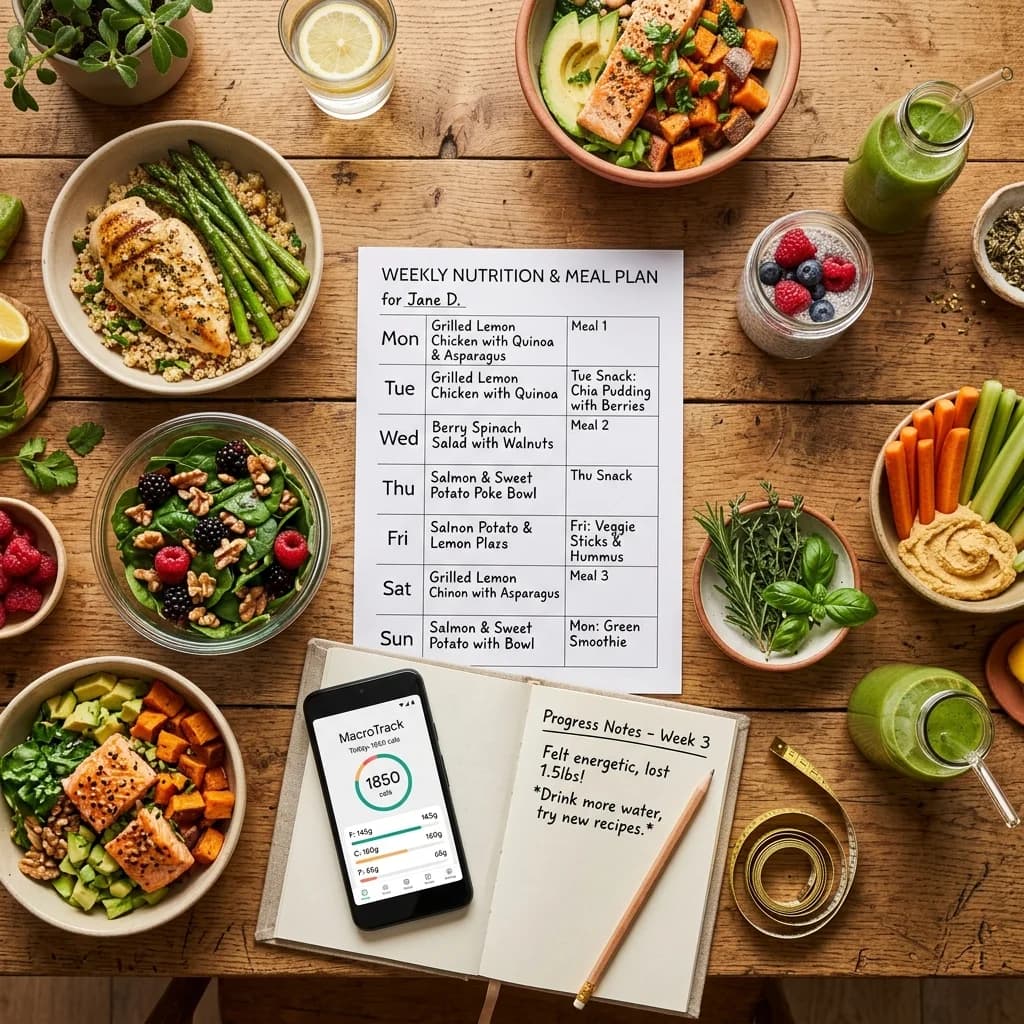
Pan-Seared Trout with Crisp Asparagus
The Story
This healthy Pan-Seared Trout with Crisp Asparagus recipe is a clean eating meal option rich in nutrients. Optimized for Low-Carb, Keto, Heart Healthy, Muscle Maintenance, Trout and created by certified nutritionist Stewart Lucas, it is designed to fit seamlessly into a health-focused lifestyle.
Quick Summary
This pan-seared trout with crisp asparagus is the definition of "nutrient-dense simplicity." We focus on high-quality omega-3 fats, lean protein, and seasonal fiber, all coming together in one skillet. It is designed to be on your table in under 20 minutes, offering a restaurant-quality sear without the fuss.
Why This Recipe Works
There is a quiet beauty in keeping dinner simple. As a nutritionist, I often see people overcomplicating their health goals by trying to follow elaborate, 20-ingredient recipes that leave their kitchens in shambles and their energy levels spent before they even eat. This trout dish is the antidote to that chaos.
Trout is an unsung hero of the seafood world. It is gentler on the environment than many large-scale farm-raised salmon, and it possesses a clean, delicate flavor that plays perfectly with the earthy, snap-fresh quality of asparagus. When you sear the fish skin-side down, the fats render into the pan, creating a natural sauce that infuses the garlic and asparagus as they cook alongside.
Ingredients
- 4 trout fillets (6 oz each), preferably skin-on
- 1 lb fresh asparagus, woody ends snapped off
- 2 tbsp extra virgin olive oil
- 1 tbsp unsalted grass-fed butter
- 2 cloves garlic, thinly sliced (not minced, we want the chips to crisp)
- 1 organic lemon, sliced into rounds, plus extra wedges for serving
- 1 tsp flaky sea salt
- 1/2 tsp freshly cracked black pepper
- Optional: A pinch of red pepper flakes for a subtle heat
Nutritional Science & Benefits
This meal is a powerhouse for sustained energy and hormonal health. Trout provides a high concentration of Omega-3 fatty acids, specifically EPA and DHA, which support cardiovascular health and reduce systemic inflammation. Asparagus acts as a potent prebiotic, feeding the healthy bacteria in your gut. It is also rich in folate and vitamin K, which are essential for cellular repair and bone health. Pairing these with healthy fats like olive oil significantly increases your body's absorption of the fat-soluble vitamins found in the asparagus.
The Method
- Preparation is Key: Take your trout out of the refrigerator ten minutes before cooking to take the chill off. Use a paper towel to pat the fillets bone-dry. Moisture is the enemy of a crisp skin. Season liberally with salt and pepper.
- The Sear: Place a large skillet (stainless steel or cast iron is ideal) over medium-high heat. Add your olive oil. Once the oil shimmers—just before it starts to smoke—gently lay the fillets skin-side down. You should hear a vigorous, high-pitched sizzle.
- Hands Off: This is where most cooks go wrong. Do not touch the fish for at least 4 to 5 minutes. If you try to lift it too early, the skin will stick to the pan. Let the heat do the work. You will know it is ready to flip when the edges of the skin naturally release from the pan surface.
- The Aromatics: Flip the fillets carefully. Immediately toss the asparagus, garlic, and lemon rounds into the open space in the pan. Add the tablespoon of butter now so it melts over the garlic and vegetables, creating a beautiful aromatic steam.
- Finish: Cook for another 3 minutes. The asparagus should be tender-crisp—still holding a bright green color—and the garlic should be golden, not burnt. Give everything one final squeeze of lemon juice while it is still in the pan to deglaze the bottom and lift all that flavor.
Stewart's Culinary Coaching Tips
If you want restaurant-quality skin, do not crowd the pan. If the fillets are touching each other, they will steam instead of sear. Use two pans if you are cooking for a family, or do it in two batches. Also, when snapping asparagus, don't use a knife to cut the ends—simply hold the spear at both ends and bend; it will naturally break exactly where the woody part ends and the tender part begins.
Meal Prep & Storage
If you are prepping this for the week ahead, keep the asparagus raw and trimmed in an airtight container. The fish is best cooked fresh, but it will hold well for up to two days in the refrigerator. To reheat, avoid the microwave; instead, place the fillet in a warm oven (300°F) for about 8 minutes to maintain the texture of the skin. If the skin loses its snap, a quick flash in a hot pan can revive it.
Flavor Variations
The Mediterranean Twist
Swap the garlic for a tablespoon of capers and a handful of halved cherry tomatoes tossed in during the last 2 minutes of cooking.
Citrus Herb Infusion
Add a tablespoon of fresh chopped dill or tarragon right at the end instead of just lemon. The anise notes of tarragon are incredible with trout.
The "Green Machine" (Vegan Swap)
Replace the trout with thick-cut tempeh marinated in soy sauce and ginger. Follow the same searing process for the tempeh to achieve a crisp, golden crust.
This healthy Pan-Seared Trout with Crisp Asparagus recipe is a clean eating meal option rich in nutrients. Optimized for Low-Carb, Keto, Heart Healthy, Muscle Maintenance, Trout and created by certified nutritionist Stewart Lucas, it is designed to fit seamlessly into a health-focused lifestyle.
Key Takeaways
- ✓Under 10g of net carbohydrates per serving to support ketosis or blood sugar stability.
- ✓Vetted recipe compliant with a balanced keto dietary lifestyle.
- ✓Supports cardiovascular health with high-quality fats and low sodium.
- ✓Vetted recipe compliant with a balanced muscle maintenance dietary lifestyle.
Pan-Seared Trout with Crisp Asparagus
This healthy Pan-Seared Trout with Crisp Asparagus recipe is a clean eating meal option rich in nutrients. Optimized for Low-Carb, Keto, Heart Healthy, Muscle Maintenance, Trout and created by certified nutritionist Stewart Lucas, it is designed to fit seamlessly into a health-focused lifestyle.
Macro Nutrition Profile (Per Serving)
Ingredients
Ingredient Substitutions
| Original Ingredient | Healthy Alternative |
|---|---|
| Animal protein | Firm tofu, tempeh, or organic chickpeas |
| Cooking fat | Extra virgin olive oil or grass-fed butter |
Instructions
Preparation is Key: Take your trout out of the refrigerator ten minutes before cooking to take the chill off. Use a paper towel to pat the fillets bone-dry. Moisture is the enemy of a crisp skin. Season liberally with salt and pepper.
The Sear: Place a large skillet (stainless steel or cast iron is ideal) over medium-high heat. Add your olive oil. Once the oil shimmers—just before it starts to smoke—gently lay the fillets skin-side down. You should hear a vigorous, high-pitched sizzle.
Hands Off: This is where most cooks go wrong. Do not touch the fish for at least 4 to 5 minutes. If you try to lift it too early, the skin will stick to the pan. Let the heat do the work. You will know it is ready to flip when the edges of the skin naturally release from the pan surface.
The Aromatics: Flip the fillets carefully. Immediately toss the asparagus, garlic, and lemon rounds into the open space in the pan. Add the tablespoon of butter now so it melts over the garlic and vegetables, creating a beautiful aromatic steam.
Finish: Cook for another 3 minutes. The asparagus should be tender-crisp—still holding a bright green color—and the garlic should be golden, not burnt. Give everything one final squeeze of lemon juice while it is still in the pan to deglaze the bottom and lift all that flavor.
Tried this recipe?
Let us know how it turned out! Click a star below to leave a review and rate the recipe.
Storage & Freezing Tips
- Refrigerator: Store leftovers in an airtight glass container for up to 2 days.
- Reheating: Warm gently in a skillet on medium-low heat with a lid to keep the fish tender. Avoid microwaving to prevent rubbery texture.
- Freezing: We do not recommend freezing cooked fish as it degrades the texture.
Frequently Asked Questions
Can I substitute the trout?▼
Absolutely. Arctic char is the closest in flavor and texture, but salmon or even steelhead trout work perfectly. Adjust your cooking time slightly if your fillet is significantly thicker than standard trout.
How do I know when the fish is perfectly cooked?▼
Trout is lean, so it cooks faster than salmon. You are looking for the flesh to turn from translucent pink to opaque. It should flake easily under the pressure of a fork. If you see white albumin (a milky protein) appearing on the sides, it is slightly overcooked, so pull it off the heat immediately.
Is this dish strictly for dinner?▼
Not at all. A cold leftover trout fillet flaked over a bed of quinoa or mixed greens makes for a fantastic, high-protein lunch that will keep you satiated well into the afternoon without the "post-lunch slump."
Tried this recipe?
Tag @stewartlucas on Instagram and hashtag it #nutriguide!
You Might Also Like

Stewart Lucas
Nutritionist & Recipe DeveloperStewart Lucas is a nutritionist and recipe developer representing the NutriGuide team. All recipes, nutritional values, and diet protocols published on this site are designed and audited by certified dietitians and clinical nutrition professionals to guarantee absolute accuracy.
Community Reviews
Please log in to leave a review.