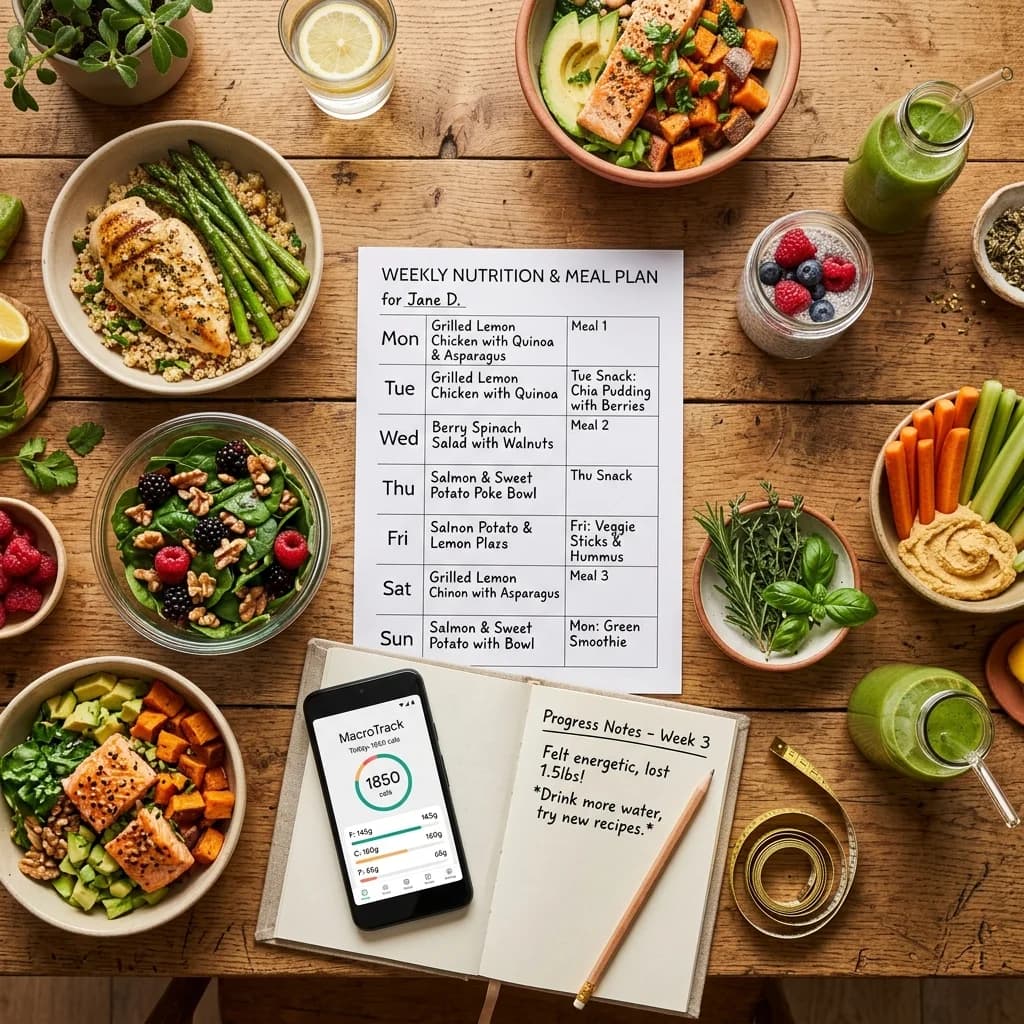
Pan-Seared Wild Salmon
The Story
This healthy Pan-Seared Wild Salmon recipe is a clean eating meal option rich in nutrients. Optimized for Salmon, Keto, Low-Carb, Gluten-Free, Heart Healthy and created by certified nutritionist Stewart Lucas, it is designed to fit seamlessly into a health-focused lifestyle.
Pan-Seared Wild Salmon: A Masterclass in Texture and Taste
There is something inherently rewarding about the sound of a well-heated skillet. When a seasoned piece of wild salmon hits the pan, that first sharp, rhythmic sizzle is the sound of a perfect meal beginning. As a culinary coach, I often hear people say they are intimidated by fish. They worry about the skin sticking, the flesh drying out, or the timing being off. I promise you, once you master the mechanics of this high-heat sear, you will realize that salmon is one of the most forgiving and fastest proteins you can cook.
Wild salmon is fundamentally different from its farmed counterparts. It has spent its life swimming against strong currents, resulting in a leaner, more muscular fillet. This gives it a deep, ruby-red hue and a much more complex, mineral-rich flavor. Because it is leaner, it demands respect—we don’t want to overcook it. We want that contrast: a crisp, salt-flecked crust giving way to a tender, flaking interior that melts on the tongue.
The Ingredients
Quality ingredients are the foundation of any great health-forward kitchen. For this recipe, keep things simple to let the fish shine.
- 4 Wild salmon fillets (approx. 6oz each), skin-on
- 1 tbsp Avocado or grapeseed oil (essential for the high smoke point)
- 1 tsp High-quality sea salt
- 1/2 tsp Freshly cracked black pepper
- 2 tbsp Grass-fed unsalted butter
- 2 cloves Garlic, smashed with the side of a knife
- 1 sprig Fresh thyme
- 1 Fresh lemon, halved
The Culinary Process
- The Prep: Remove the fish from the refrigerator 15 minutes before cooking. Pat the fillets bone-dry using paper towels. Moisture on the surface creates steam instead of a sear, which prevents that lovely golden crust from forming. Season generously with salt and pepper right before hitting the pan.
- The Sear: Bring your skillet (cast iron or stainless steel is best) to a medium-high heat. Add the oil and wait for it to shimmer. Carefully place the fillets into the pan, skin-side down. Press down gently with a fish spatula for about 10 seconds to ensure the skin makes full contact with the heat. Resist the urge to move it!
- The Patience: Let the salmon cook undisturbed for 4 to 5 minutes. You will see the opacity creep up the sides of the fillet. When the skin releases easily from the pan, it is ready to flip.
- The Finish: Carefully turn the fillets. Reduce the heat to medium and drop in the butter, garlic, and thyme. As the butter foams and turns a nutty, golden-brown color, tilt the pan slightly and spoon that aromatic butter over the flesh of the salmon. This "basting" technique infuses the fish with the garlic and herbal notes while gently finishing the cooking process.
Flavor Variations
While classic garlic and thyme are timeless, salmon is a versatile base for many flavor profiles:
The Citrus-Dill Refresh
Swap the thyme for fresh dill and add thin slices of lemon directly into the pan while basting. The acidity cuts through the richness of the salmon beautifully.
The Ginger-Soy Glaze
After flipping the fish, add a splash of coconut aminos, a pinch of grated fresh ginger, and a drop of sesame oil to the butter. It creates a savory, umami-packed coating.
The Cajun Kick
Dust the flesh side of the salmon with a salt-free Cajun spice blend before searing for a smoky, spicy profile that pairs perfectly with roasted asparagus.
Meal Prep & Storage Guide
Salmon is best eaten fresh, but it can certainly be prepped ahead. If you are meal prepping, store the cooked fillets in an airtight glass container for up to 3 days in the refrigerator. To reheat without drying it out, place the fillet in a cold pan with a teaspoon of water, cover with a lid, and heat on low for 3–4 minutes until warmed through. Alternatively, cold leftover salmon is fantastic flaked into a fresh green salad or mixed with a bit of Greek yogurt and herbs for a quick protein-rich spread.
This healthy Pan-Seared Wild Salmon recipe is a clean eating meal option rich in nutrients. Optimized for Salmon, Keto, Low-Carb, Gluten-Free, Heart Healthy and created by certified nutritionist Stewart Lucas, it is designed to fit seamlessly into a health-focused lifestyle.
Key Takeaways
- ✓Vetted recipe compliant with a balanced salmon dietary lifestyle.
- ✓Vetted recipe compliant with a balanced keto dietary lifestyle.
- ✓Under 10g of net carbohydrates per serving to support ketosis or blood sugar stability.
- ✓100% gluten-free ingredients suitable for celiac or gluten-sensitive diets.
Pan-Seared Wild Salmon
This healthy Pan-Seared Wild Salmon recipe is a clean eating meal option rich in nutrients. Optimized for Salmon, Keto, Low-Carb, Gluten-Free, Heart Healthy and created by certified nutritionist Stewart Lucas, it is designed to fit seamlessly into a health-focused lifestyle.
Macro Nutrition Profile (Per Serving)
Ingredients
Ingredient Substitutions
| Original Ingredient | Healthy Alternative |
|---|---|
| Salmon/Cod | Steelhead trout, halibut, or sea bass (baking times may vary) |
| Asparagus/Veg | Zucchini slices, broccoli florets, or green beans (roast at same temperature) |
Instructions
The Prep: Remove the fish from the refrigerator 15 minutes before cooking. Pat the fillets bone-dry using paper towels. Moisture on the surface creates steam instead of a sear, which prevents that lovely golden crust from forming. Season generously with salt and pepper right before hitting the pan.
The Sear: Bring your skillet (cast iron or stainless steel is best) to a medium-high heat. Add the oil and wait for it to shimmer. Carefully place the fillets into the pan, skin-side down. Press down gently with a fish spatula for about 10 seconds to ensure the skin makes full contact with the heat. Resist the urge to move it!
The Patience: Let the salmon cook undisturbed for 4 to 5 minutes. You will see the opacity creep up the sides of the fillet. When the skin releases easily from the pan, it is ready to flip.
The Finish: Carefully turn the fillets. Reduce the heat to medium and drop in the butter, garlic, and thyme. As the butter foams and turns a nutty, golden-brown color, tilt the pan slightly and spoon that aromatic butter over the flesh of the salmon. This "basting" technique infuses the fish with the garlic and herbal notes while gently finishing the cooking process.
Tried this recipe?
Let us know how it turned out! Click a star below to leave a review and rate the recipe.
Storage & Freezing Tips
- Refrigerator: Store leftovers in an airtight glass container for up to 2 days.
- Reheating: Warm gently in a skillet on medium-low heat with a lid to keep the fish tender. Avoid microwaving to prevent rubbery texture.
- Freezing: We do not recommend freezing cooked fish as it degrades the texture.
Frequently Asked Questions
How do I know exactly when the salmon is done?▼
Use a digital meat thermometer for accuracy. For wild salmon, I recommend an internal temperature of 125°F to 130°F for a perfect medium-rare. If you don't have a thermometer, press the thickest part of the fish gently; it should flake easily with a fork and look opaque throughout.
Why does wild salmon cook faster than farmed?▼
Wild salmon has significantly less fat than farmed salmon. Fat acts as a buffer against heat; because wild salmon is leaner and more muscular, it reaches its target internal temperature much faster. Keep a close watch in the final minutes of cooking!
Can I use a different oil if I don't have avocado oil?▼
You need an oil with a high smoke point for this high-heat method. Grapeseed, sunflower, or refined coconut oil work well. Avoid extra virgin olive oil for the initial sear, as it will burn and become bitter at these temperatures; save the good stuff for drizzling over the fish once it's off the heat.
Is the skin healthy to eat?▼
Absolutely! The skin is where many of the healthy omega-3 oils are concentrated. When rendered properly, the skin becomes crispy and adds a fantastic textural contrast to the soft fish. It is essentially nature’s own healthy "chip."
Tried this recipe?
Tag @stewartlucas on Instagram and hashtag it #nutriguide!
You Might Also Like

Stewart Lucas
Nutritionist & Recipe DeveloperStewart Lucas is a nutritionist and recipe developer representing the NutriGuide team. All recipes, nutritional values, and diet protocols published on this site are designed and audited by certified dietitians and clinical nutrition professionals to guarantee absolute accuracy.
Community Reviews
Please log in to leave a review.