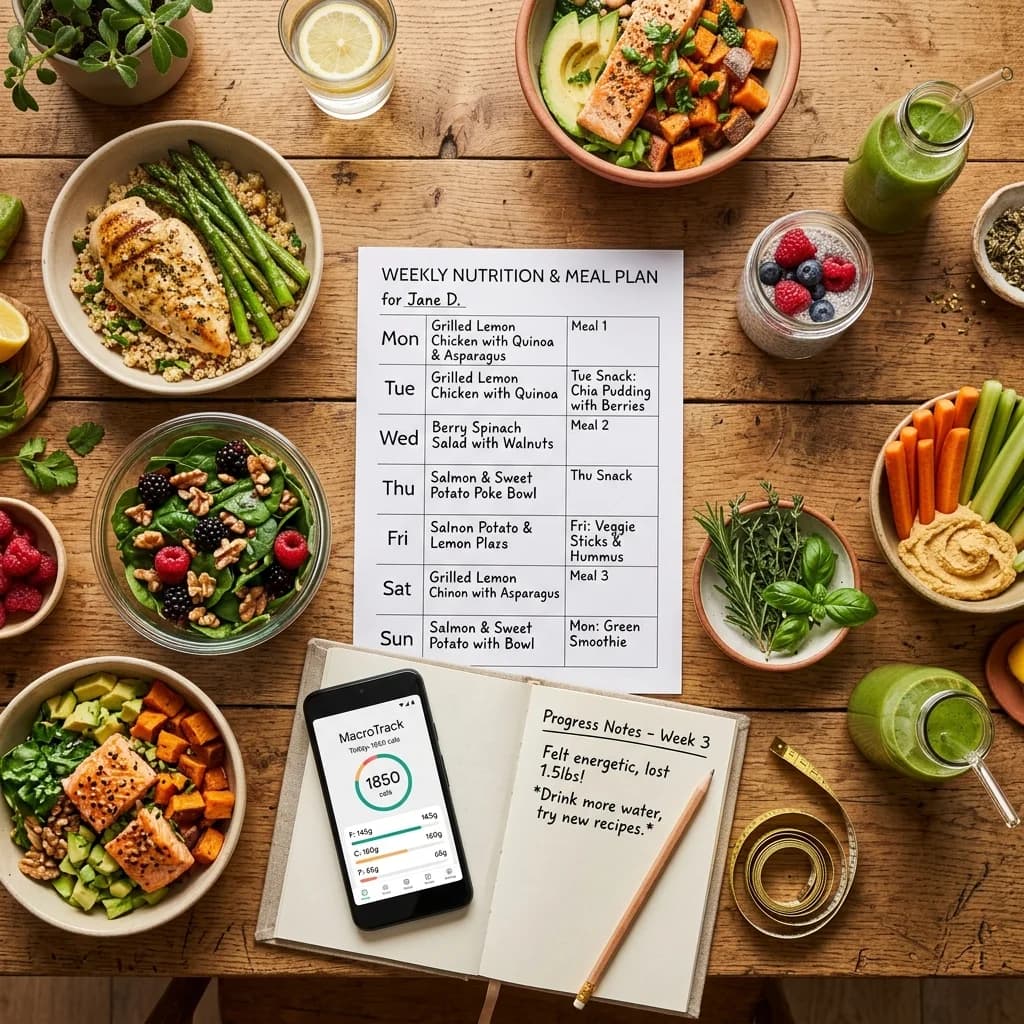
Perfectly Balanced Eggs and Turkey Bacon
The Story
This healthy Perfectly Balanced Eggs and Turkey Bacon recipe is a clean eating meal option rich in nutrients. Optimized for breakfast, non-veg, Gluten-Free, Low-Carb, Muscle Maintenance and created by certified nutritionist Stewart Lucas, it is designed to fit seamlessly into a health-focused lifestyle.
Perfectly Balanced Eggs and Turkey Bacon
Quick Summary
This protein-dense breakfast is a masterclass in simplicity. By pairing high-quality pasture-raised eggs with clean, nitrate-free turkey bacon, you create a satiating meal that provides a steady stream of energy for your morning. It’s light, savory, and requires less than 15 minutes in the kitchen.
A Morning Essential
There is a specific kind of magic that happens in a quiet kitchen before the sun fully rises. I’ve always believed that breakfast shouldn't be a chore or a complicated production. It should be a grounding ritual. When you hear that gentle, rhythmic sizzle of turkey bacon hitting a warm pan, it’s a signal to your senses that the day has officially begun.
I often talk to my clients about the importance of starting the day with high-quality protein. It isn't just about "hitting macros"; it’s about blood sugar stability. When you lean on the combination of eggs and lean turkey, you are avoiding that mid-morning slump that usually follows a bowl of sugary cereal or a refined-grain muffin. This dish feels elegant, yet it is profoundly humble—just simple ingredients prepared with a little bit of care.
The Ingredients
To make this breakfast sing, quality is your best friend. Look for eggs with vibrant, deep orange yolks, which often signal a better diet for the hens. For the bacon, seek out varieties that skip the nitrates and excess sugar. Your body will thank you for keeping the ingredient list short.
- 8 large organic, pasture-raised eggs
- 8 slices nitrate-free turkey bacon
- 1 tbsp extra virgin olive oil or high-quality avocado oil
- 1/4 tsp sea salt
- 1/4 tsp freshly cracked black pepper
- A handful of fresh chives, finely chopped for brightness
Nutritional Science & Benefits
Eggs are often referred to as nature’s multivitamin. They contain choline, which is vital for brain health, and high-quality protein that supports muscle repair. Turkey bacon provides a leaner alternative to pork, significantly reducing saturated fat intake while still satisfying that savory, salty craving. When paired with a small amount of healthy monounsaturated fat from the olive oil, you create a perfect hormonal balance that aids in long-term satiety.
The Culinary Process
Cooking is a sensory experience. Pay attention to the transformation of your food as it hits the heat.
- The Crisp: Start with a cold non-stick skillet. Lay your turkey bacon down flat. As the pan warms, the fat begins to render. You’re looking for a deep, golden-brown color. Don't rush this; let it develop a satisfying crunch. Once it reaches that state, remove it to a paper-towel-lined plate.
- The Whisk: In a small glass bowl, crack your eggs. A light hand is key here. Add your salt and pepper, and whisk just enough to break the yolks and combine the whites. You don't want a uniform yellow liquid; you want streaks of color. This creates texture.
- The Fold: Add your oil to the skillet—it should shimmer but not smoke. Pour the eggs in. Use a heat-resistant spatula to gently push the eggs from the edges to the center. This creates soft, pillowy curds. Remove them from the heat while they still look slightly "wet." The residual heat will finish the cooking on the plate.
Meal Prep & Storage Guide
I know life gets busy. While I advocate for cooking eggs fresh, I understand the need for efficiency. If you are prepping for the week, cook the turkey bacon in a larger batch. It stores beautifully in the fridge for up to three days in an airtight container. When you're ready for breakfast, simply warm the bacon in the pan for 60 seconds before pouring in your fresh eggs. It cuts your active morning time down to about four minutes.
Creative Variations
Don't be afraid to make this your own. If you want to shake things up, try these modifications:
The Green Boost
Fold in a handful of fresh baby spinach when the eggs are halfway cooked. It wilts perfectly and adds a wonderful earthy note.
The Mediterranean
Top your finished eggs with a small crumble of feta cheese and a dusting of smoked paprika.
The Low-Carb Wrap
Use the turkey bacon strips as a "cradle" for the eggs, or serve the eggs alongside some sliced avocado for extra healthy fats and fiber.
Nutrition Snapshot
| Nutrient | Amount |
|---|---|
| Calories | 310 kcal |
| Protein | 28g |
| Fat | 18g |
| Carbohydrates | 2g |
This healthy Perfectly Balanced Eggs and Turkey Bacon recipe is a clean eating meal option rich in nutrients. Optimized for breakfast, non-veg, Gluten-Free, Low-Carb, Muscle Maintenance and created by certified nutritionist Stewart Lucas, it is designed to fit seamlessly into a health-focused lifestyle.
Key Takeaways
- ✓Vetted recipe compliant with a balanced breakfast dietary lifestyle.
- ✓Vetted recipe compliant with a balanced non-veg dietary lifestyle.
- ✓100% gluten-free ingredients suitable for celiac or gluten-sensitive diets.
- ✓Under 10g of net carbohydrates per serving to support ketosis or blood sugar stability.
Perfectly Balanced Eggs and Turkey Bacon
This healthy Perfectly Balanced Eggs and Turkey Bacon recipe is a clean eating meal option rich in nutrients. Optimized for breakfast, non-veg, Gluten-Free, Low-Carb, Muscle Maintenance and created by certified nutritionist Stewart Lucas, it is designed to fit seamlessly into a health-focused lifestyle.
Macro Nutrition Profile (Per Serving)
Ingredients
Ingredient Substitutions
| Original Ingredient | Healthy Alternative |
|---|---|
| Chicken breast | Turkey breast or extra-firm tofu (1:1 ratio) |
| Dino kale/greens | Baby spinach or Swiss chard (cooks faster, add at the end) |
Instructions
The Crisp: Start with a cold non-stick skillet. Lay your turkey bacon down flat. As the pan warms, the fat begins to render. You’re looking for a deep, golden-brown color. Don't rush this; let it develop a satisfying crunch. Once it reaches that state, remove it to a paper-towel-lined plate.
The Whisk: In a small glass bowl, crack your eggs. A light hand is key here. Add your salt and pepper, and whisk just enough to break the yolks and combine the whites. You don't want a uniform yellow liquid; you want streaks of color. This creates texture.
The Fold: Add your oil to the skillet—it should shimmer but not smoke. Pour the eggs in. Use a heat-resistant spatula to gently push the eggs from the edges to the center. This creates soft, pillowy curds. Remove them from the heat while they still look slightly "wet." The residual heat will finish the cooking on the plate.
Tried this recipe?
Let us know how it turned out! Click a star below to leave a review and rate the recipe.
Storage & Freezing Tips
- Refrigerator: Store in an airtight container for up to 2 days. Keep the components separate if possible to preserve texture.
- Reheating: Reheat gently in a skillet on medium-low heat with a splash of olive oil or butter.
- Freezing: Freezing is not recommended for this dish because ingredients like eggs become soggy, rubbery, or mushy when defrosted.
Frequently Asked Questions
Can I reheat cooked eggs?▼
Technically, yes, but the texture changes significantly. Reheated eggs tend to become rubbery and lose that delicate, cloud-like quality. I always recommend cooking the eggs fresh, as it only takes three minutes, while prepping the bacon ahead of time to save energy.
Why does my turkey bacon stick to the pan?▼
Turkey bacon has a lower fat content than pork bacon, which means it doesn't self-lubricate as well. Always start with a cold pan and a tiny brush of oil, or use a high-quality non-stick skillet to ensure it releases easily without tearing.
Is it okay to eat the yolks?▼
Absolutely. The yolk is where the majority of the egg's nutrients live, including lutein for eye health and vitamin D. Unless you have specific medical advice to limit cholesterol, the yolk is a nutritional powerhouse you shouldn't discard.
What if I don't eat turkey?▼
If you prefer a plant-based swap, you can replace the bacon with pan-seared tempeh strips seasoned with a dash of soy sauce and smoked paprika to mimic that savory, salty profile.
Tried this recipe?
Tag @stewartlucas on Instagram and hashtag it #nutriguide!
You Might Also Like

Stewart Lucas
Nutritionist & Recipe DeveloperStewart Lucas is a nutritionist and recipe developer representing the NutriGuide team. All recipes, nutritional values, and diet protocols published on this site are designed and audited by certified dietitians and clinical nutrition professionals to guarantee absolute accuracy.
Community Reviews
Please log in to leave a review.