Perfectly Roasted Seasonal Vegetables
The Story
This healthy Perfectly Roasted Seasonal Vegetables recipe is a clean eating meal option rich in nutrients. Optimized for Vegan, Vegetarian, Gluten-Free, Anti-Inflammatory, Heart Healthy and created by certified nutritionist Stewart Lucas, it is designed to fit seamlessly into a health-focused lifestyle.
Perfectly Roasted Seasonal Vegetables
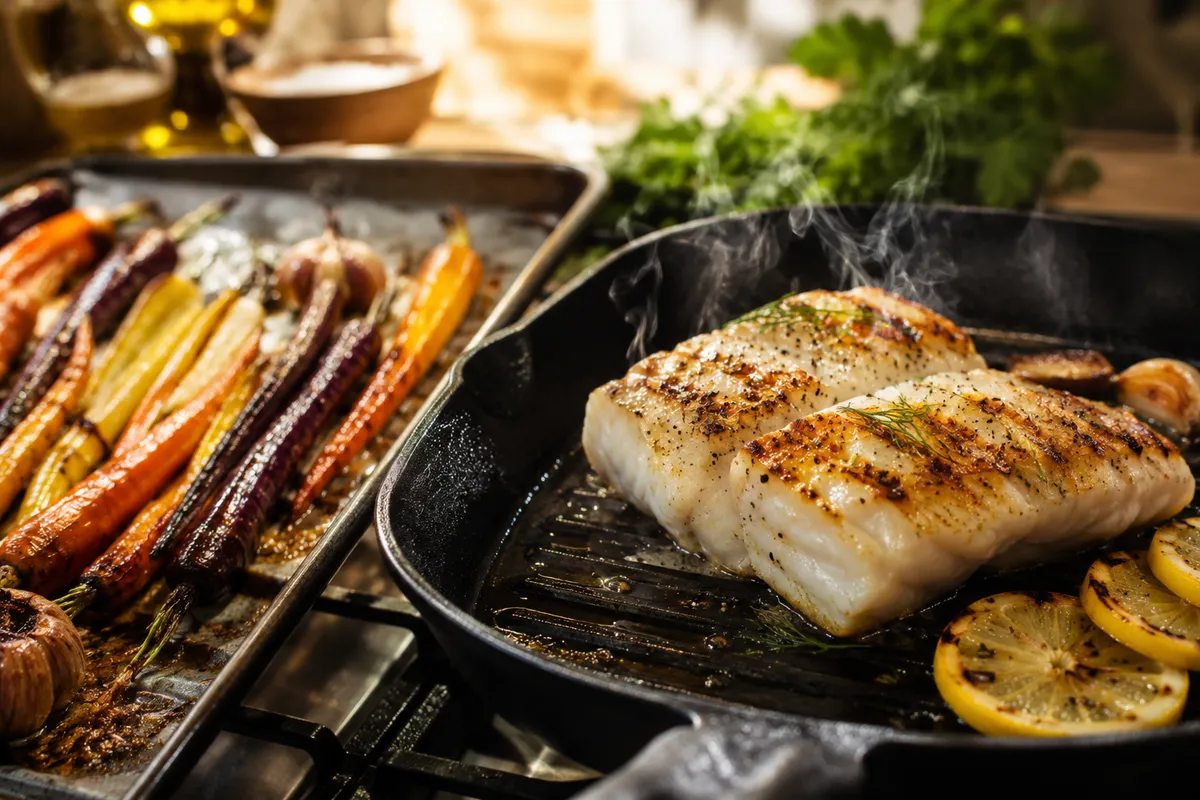
The difference between "mushy" and "magical" vegetables is heat and space. By roasting at 425°F (220°C) on an uncrowded pan, you encourage the natural sugars to caramelize. This creates a deeply savory, crisp-on-the-outside and tender-on-the-inside finish that makes even the simplest produce feel like a gourmet side dish.
There is something grounding about a tray of vegetables coming out of the oven. The kitchen fills with that unmistakable aroma—a mix of caramelized edges, toasted herbs, and the earthy sweetness of carrots and onions. I have spent years teaching folks that if you aren't eating your vegetables, it is likely because you haven't been roasting them properly.
Roasting is, in my opinion, the most forgiving and rewarding way to prepare produce. It takes the sharp, raw bite out of root vegetables and softens the intensity of cruciferous greens like broccoli. When we use high heat, we trigger a transformation that preserves the nutrients while elevating the texture. This isn't just about a side dish; it’s about making wholesome, nutrient-dense eating a habit you actually look forward to.
The Essential Ingredients
Keep it simple. When you have high-quality produce, you don’t need much else to make it sing.
- Carrots: 1 lb, peeled and cut into uniform batons.
- Broccoli: 1 lb, chopped into bite-sized florets.
- Red Onion: 1 large, cut into clean wedges to hold their structure.
- Extra Virgin Olive Oil: 2–3 tbsp, enough to coat lightly without pooling.
- Sea Salt & Cracked Black Pepper: To taste.
- Fresh Rosemary: 1 sprig, leaves finely chopped.
The Nutritional Science
Vegetables are rich in phytonutrients, fiber, and vitamins. Roasting at high temperatures retains the water-soluble vitamins—like Vitamin C and the B-complex—much better than boiling, which leaches those precious nutrients into the cooking water. Carrots provide a massive dose of beta-carotene, while broccoli contributes sulforaphane, a potent compound for cellular health. Pairing these with olive oil is a pro-move; the healthy monounsaturated fats actually help your body absorb fat-soluble vitamins (like Vitamins A, D, E, and K) that are naturally present in your produce.
The Method: Step-by-Step
Preparation is ninety percent of the battle here. If your pieces are uneven, some will be raw while others burn.
- Preheat & Prep: Crank that oven to 425°F (220°C). Don’t skip the preheat—the oven needs to be screaming hot when those vegetables hit the tray so they start browning immediately.
- Uniformity Matters: Aim for pieces that are roughly the same size. If the carrots are thick and the broccoli is tiny, the broccoli will disintegrate before the carrots are tender.
- The Toss: In a large mixing bowl, toss your vegetables with the oil, salt, pepper, and rosemary. Use your hands! You want a thin, glistening coat of oil on every surface, but you don't want a puddle at the bottom of the bowl.
- The Space Rule: Spread everything out on a large baking sheet. If they are touching, they are steaming. If they have room, they are roasting. Use two pans if you have to.
- The Sizzle: Roast for 20–25 minutes. About halfway through, give the pan a good shake or use a spatula to turn them over. You are looking for deep, mahogany-colored edges.
Stewart's Culinary Coaching Tips
If you want to take your roasting to the next level, try placing your empty baking sheet in the oven while it preheats. When you slide the vegetables onto the hot, pre-warmed metal, you get an instant sear on the bottom of the veggies. That first "sizzle" sound is the sign of a perfect crust forming!
Meal Prep & Storage
I am a huge advocate for "cook once, eat twice." Roasted vegetables hold up remarkably well in the fridge for up to four days. Store them in an airtight glass container once they have cooled to room temperature. To reheat, avoid the microwave—it turns them into mush. Instead, pop them into a toaster oven or a 350°F oven for 5–7 minutes to bring back that delightful crispness.
Flavor Variations
The Mediterranean Twist
Toss in some halved cherry tomatoes and pitted Kalamata olives after the 15-minute mark. Finish with a squeeze of fresh lemon juice.
The Sweet & Spicy
Add a pinch of chili flakes and a tiny drizzle of maple syrup before roasting. The sugars in the syrup will caramelize against the heat.
The Umami Bomb
Add a tablespoon of balsamic vinegar to your oil mixture. It provides a sharp, tangy depth that pairs beautifully with the earthy roasted onions.
Nutrition Snapshot
| Nutrient | Amount per serving |
|---|---|
| Calories | 145 kcal |
| Fat | 7g |
| Carbohydrates | 18g |
| Protein | 4g |
This healthy Perfectly Roasted Seasonal Vegetables recipe is a clean eating meal option rich in nutrients. Optimized for Vegan, Vegetarian, Gluten-Free, Anti-Inflammatory, Heart Healthy and created by certified nutritionist Stewart Lucas, it is designed to fit seamlessly into a health-focused lifestyle.
Key Takeaways
- ✓Entirely plant-based recipe free from animal products or dairy.
- ✓Plant-forward, meat-free meal rich in natural proteins.
- ✓100% gluten-free ingredients suitable for celiac or gluten-sensitive diets.
- ✓Formulated with foods rich in antioxidants to minimize systemic inflammation.
Perfectly Roasted Seasonal Vegetables
This healthy Perfectly Roasted Seasonal Vegetables recipe is a clean eating meal option rich in nutrients. Optimized for Vegan, Vegetarian, Gluten-Free, Anti-Inflammatory, Heart Healthy and created by certified nutritionist Stewart Lucas, it is designed to fit seamlessly into a health-focused lifestyle.
Macro Nutrition Profile (Per Serving)
Ingredients
Ingredient Substitutions
| Original Ingredient | Healthy Alternative |
|---|---|
| Animal protein | Firm tofu, tempeh, or organic chickpeas |
| Cooking fat | Extra virgin olive oil or grass-fed butter |
Instructions
Preheat & Prep: Crank that oven to 425°F (220°C). Don’t skip the preheat—the oven needs to be screaming hot when those vegetables hit the tray so they start browning immediately.
Uniformity Matters: Aim for pieces that are roughly the same size. If the carrots are thick and the broccoli is tiny, the broccoli will disintegrate before the carrots are tender.
The Toss: In a large mixing bowl, toss your vegetables with the oil, salt, pepper, and rosemary. Use your hands! You want a thin, glistening coat of oil on every surface, but you don't want a puddle at the bottom of the bowl.
The Space Rule: Spread everything out on a large baking sheet. If they are touching, they are steaming. If they have room, they are roasting. Use two pans if you have to.
The Sizzle: Roast for 20–25 minutes. About halfway through, give the pan a good shake or use a spatula to turn them over. You are looking for deep, mahogany-colored edges.
Tried this recipe?
Let us know how it turned out! Click a star below to leave a review and rate the recipe.
Storage & Freezing Tips
- Refrigerator: Store in an airtight container for up to 3 days. Keep the components separate if possible to preserve texture.
- Reheating: Reheat gently in a skillet on medium-low heat with a splash of olive oil or butter.
- Freezing: Freezing is not recommended for this dish because ingredients like broccoli become soggy, rubbery, or mushy when defrosted.
Frequently Asked Questions
What is the best oil to use for high-heat roasting?▼
Extra virgin olive oil is my go-to for its flavor, and it is perfectly safe at 425°F. If you are going higher, like 450°F, avocado oil is a fantastic choice because it has a higher smoke point.
My vegetables are burning before the inside is tender. What happened?▼
This usually happens if your pieces are cut too small or if your oven temperature is slightly inaccurate. If your vegetables are small, keep the temperature at 400°F instead, and roast them for a few extra minutes.
Can I add protein to this pan?▼
Absolutely! Chickpeas are a great addition—toss them in at the same time as the vegetables for a nice crunch. If you want to add chicken, cut it into bite-sized pieces, but be mindful of the different cooking times; the chicken might need to go on a separate rack or be added halfway through.
Should I use parchment paper?▼
I highly recommend it. Parchment paper makes cleanup a breeze and helps prevent the sugars from the vegetables from sticking and burning directly onto your baking sheet. It ensures you get every single caramelized bit onto your plate.
Tried this recipe?
Tag @stewartlucas on Instagram and hashtag it #nutriguide!
You Might Also Like
Stewart Lucas
Nutritionist & Recipe DeveloperStewart Lucas is a nutritionist and recipe developer representing the NutriGuide team. All recipes, nutritional values, and diet protocols published on this site are designed and audited by certified dietitians and clinical nutrition professionals to guarantee absolute accuracy.
Community Reviews
Please log in to leave a review.