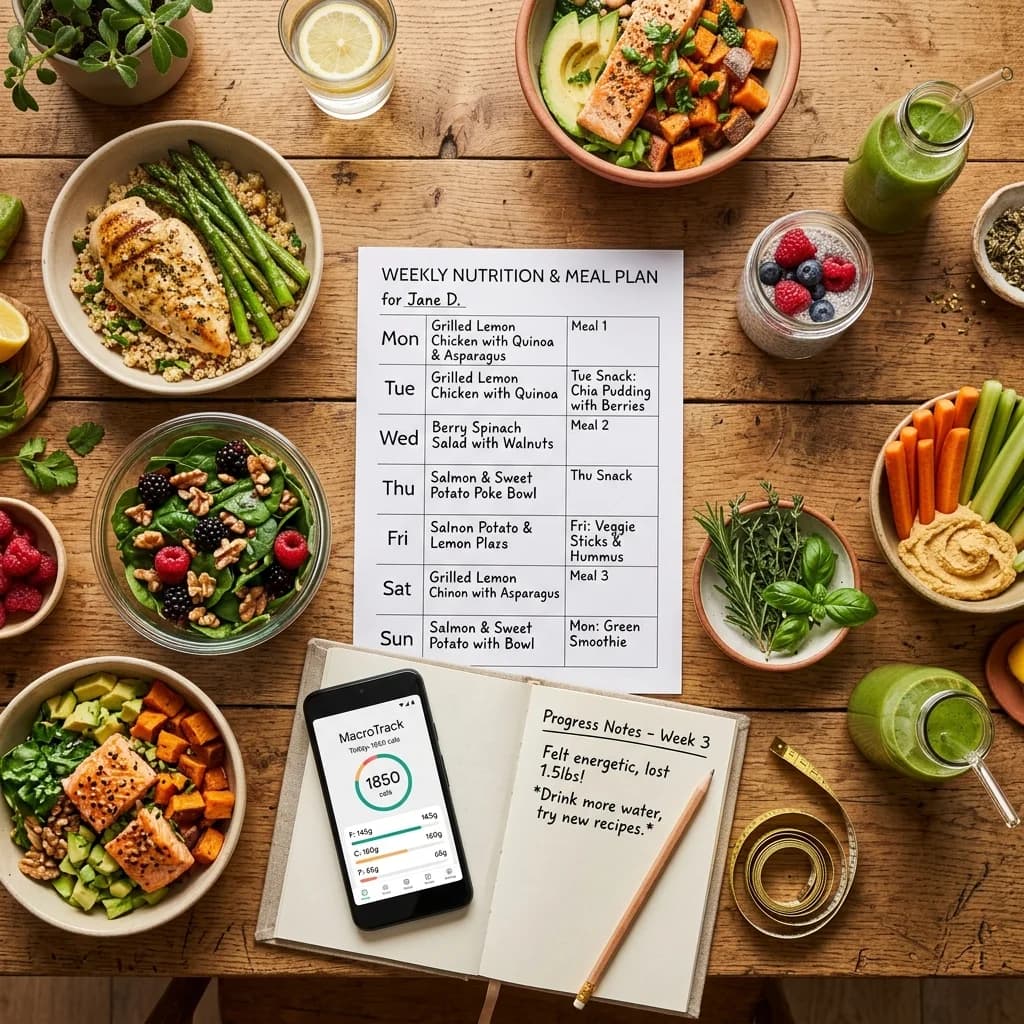
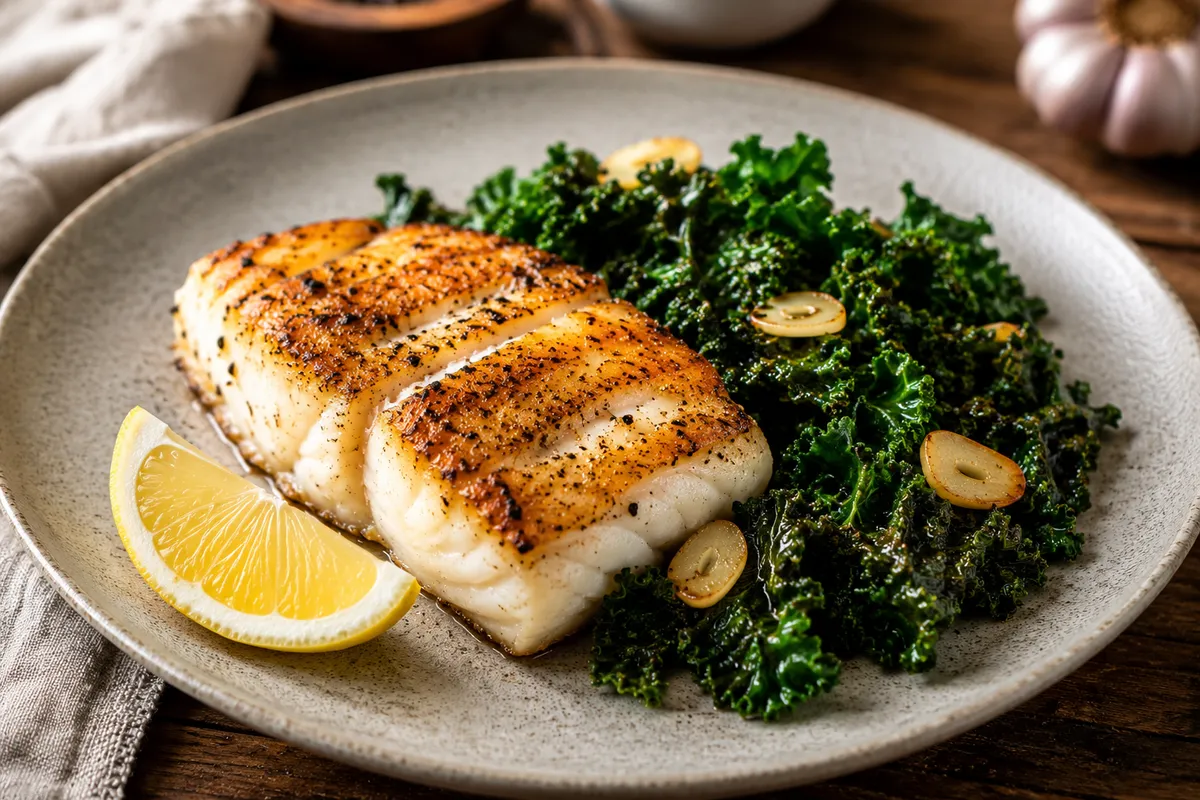
Simple Baked Salmon with Roasted Asparagus
The Story
This healthy Simple Baked Salmon with Roasted Asparagus recipe is a clean eating meal option rich in nutrients. Optimized for Salmon, Asparagus, Keto, Gluten-Free, Heart Healthy and created by certified nutritionist Stewart Lucas, it is designed to fit seamlessly into a health-focused lifestyle.
Simple Baked Salmon with Roasted Asparagus
Quick Summary
This one-pan meal is the backbone of a stress-free, nutrient-dense kitchen. It combines buttery, flakey salmon with the earthy, crisp snap of fresh asparagus, brought together by the brightness of lemon and the aroma of roasted garlic. Perfect for a busy weeknight when you want high-quality nutrition without the cleanup.
A Simple Dish for the Soul
I often tell my clients that cooking shouldn't be a chore—it should be a sensory ritual. When I pull this sheet pan out of the oven, the first thing I notice is the scent. The garlic hits the hot oil and turns golden, releasing a savory, mellow aroma that fills the kitchen, while the lemon slices caramelize slightly against the heat of the salmon. It’s comforting, clean, and simple food.
This dish is a classic for a reason. You have the Omega-3-rich salmon providing a foundation of healthy fats, balanced by the vibrant, fiber-forward asparagus. By roasting them together, the juices from the fish mingle with the olive oil and garlic, creating a natural sauce that clings to every spear of asparagus. It is elegant enough for a dinner party, yet simple enough to master after a long day at the office.
Ingredients
- 4 salmon fillets (about 6oz each), ideally wild-caught
- 1 lb fresh asparagus, woody ends snapped off
- 2 tbsp extra virgin olive oil
- 1 large lemon, sliced into thin rounds
- 3 cloves garlic, minced or thinly sliced
- 1 tsp dried oregano (or fresh thyme if you have it)
- Sea salt and freshly cracked black pepper to taste
- A handful of fresh flat-leaf parsley, chopped, for finishing
The Science of Your Plate
Salmon is a nutritional powerhouse, delivering high-quality protein and essential Omega-3 fatty acids, specifically EPA and DHA. These fats are linked to improved heart health and reduced systemic inflammation. Pairing this with asparagus offers more than just color; asparagus is rich in Vitamin K, folate, and prebiotic fiber, which supports a healthy gut microbiome. The lemon juice doesn't just brighten the dish—the Vitamin C it provides actually helps your body absorb the iron present in the green vegetables.
Preparation Guide
- Prep the Oven and Pan: Preheat your oven to 400°F (200°C). Line a heavy-duty sheet pan with parchment paper. This isn't just for easy cleanup; it helps the fish release perfectly without sticking.
- Arrange Your Produce: Place the salmon fillets in the center of the pan. Spread the asparagus spears around the salmon. If you have any thin ends, tuck them toward the center so they don't char too quickly.
- Seasoning: Drizzle the olive oil evenly over both the fish and the greens. Scatter the minced garlic and dried oregano over the top. Use your hands to gently toss the asparagus so every spear is glistening with oil and seasoning. Season everything generously with salt and black pepper.
- The Finishing Touch: Lay the lemon slices directly across the top of each salmon fillet. As the fish cooks, the heat releases the essential oils from the lemon peel, infusing the salmon with a clean, citrus fragrance.
- The Roast: Slide the pan into the middle rack. Bake for 12 to 15 minutes. The salmon is done when the flesh is opaque and flakes away easily with a light touch of a fork.
Stewart's Culinary Coaching Tips
If you want that restaurant-style finish, turn your broiler on for the final 60 to 90 seconds. Keep your eyes on the pan; the edges of the asparagus should become slightly blistered and nutty, and the salmon will take on a beautiful golden hue. If you find the fish is getting done faster than the asparagus, move the asparagus to the hot spot of your oven or simply remove the fish and let the veggies roast for an extra few minutes.
Meal Prep & Storage
Leftover salmon is a treasure. If you have any remaining, let it cool completely before placing it in an airtight container. It will keep in the refrigerator for up to three days. When reheating, I avoid the microwave as it can turn the fish rubbery. Instead, place it in a low-heat oven (300°F) for about 8–10 minutes until warmed through. You can also flake the cold salmon over a fresh arugula salad with a lemon-dijon vinaigrette for a lunch that puts the average desk meal to shame.
Flavor Variations
When selecting salmon, look for color that appears natural—vibrant, but not neon. If you are buying frozen, ensure it is vacuum-sealed and shows no signs of freezer burn (white, icy patches). Always thaw fish slowly in the refrigerator to maintain the integrity of the muscle fibers, which keeps the texture silky rather than mushy.
Mediterranean Twist
Add a handful of cherry tomatoes and pitted Kalamata olives to the sheet pan. They’ll blister in the oven, creating a rustic, savory sauce.
The Spice Route
Swap oregano for a sprinkle of smoked paprika and a pinch of chili flakes for a subtle heat that cuts through the richness of the salmon.
Herb-Crusted
Mix a teaspoon of Dijon mustard with fresh chopped dill and spread it over the salmon fillets before topping with lemon. The mustard helps the herbs stick and adds a wonderful tang.
This healthy Simple Baked Salmon with Roasted Asparagus recipe is a clean eating meal option rich in nutrients. Optimized for Salmon, Asparagus, Keto, Gluten-Free, Heart Healthy and created by certified nutritionist Stewart Lucas, it is designed to fit seamlessly into a health-focused lifestyle.
Key Takeaways
- ✓Vetted recipe compliant with a balanced salmon dietary lifestyle.
- ✓Vetted recipe compliant with a balanced asparagus dietary lifestyle.
- ✓Vetted recipe compliant with a balanced keto dietary lifestyle.
- ✓100% gluten-free ingredients suitable for celiac or gluten-sensitive diets.
Simple Baked Salmon with Roasted Asparagus
This healthy Simple Baked Salmon with Roasted Asparagus recipe is a clean eating meal option rich in nutrients. Optimized for Salmon, Asparagus, Keto, Gluten-Free, Heart Healthy and created by certified nutritionist Stewart Lucas, it is designed to fit seamlessly into a health-focused lifestyle.
Macro Nutrition Profile (Per Serving)
Ingredients
Ingredient Substitutions
| Original Ingredient | Healthy Alternative |
|---|---|
| Salmon/Cod | Steelhead trout, halibut, or sea bass (baking times may vary) |
| Asparagus/Veg | Zucchini slices, broccoli florets, or green beans (roast at same temperature) |
Instructions
Prep the Oven and Pan: Preheat your oven to 400°F (200°C). Line a heavy-duty sheet pan with parchment paper. This isn't just for easy cleanup; it helps the fish release perfectly without sticking.
Arrange Your Produce: Place the salmon fillets in the center of the pan. Spread the asparagus spears around the salmon. If you have any thin ends, tuck them toward the center so they don't char too quickly.
Seasoning: Drizzle the olive oil evenly over both the fish and the greens. Scatter the minced garlic and dried oregano over the top. Use your hands to gently toss the asparagus so every spear is glistening with oil and seasoning. Season everything generously with salt and black pepper.
The Finishing Touch: Lay the lemon slices directly across the top of each salmon fillet. As the fish cooks, the heat releases the essential oils from the lemon peel, infusing the salmon with a clean, citrus fragrance.
The Roast: Slide the pan into the middle rack. Bake for 12 to 15 minutes. The salmon is done when the flesh is opaque and flakes away easily with a light touch of a fork.
Tried this recipe?
Let us know how it turned out! Click a star below to leave a review and rate the recipe.
Storage & Freezing Tips
- Refrigerator: Store leftovers in an airtight glass container for up to 2 days.
- Reheating: Warm gently in a skillet on medium-low heat with a lid to keep the fish tender. Avoid microwaving to prevent rubbery texture.
- Freezing: We do not recommend freezing cooked fish as it degrades the texture.
Frequently Asked Questions
Can I use frozen salmon for this recipe?▼
Absolutely. Just ensure you thaw the fillets completely in the refrigerator overnight. Once thawed, pat them very dry with paper towels. Excess surface moisture is the enemy of a good roast, as it creates steam instead of letting the fish caramelize.
What if my asparagus spears are very thick?▼
If you are working with thick, woody asparagus, I recommend giving them a 5-minute head start in the oven before adding the salmon to the sheet pan. This ensures the stalks are tender throughout without overcooking the delicate fish.
How do I know exactly when the fish is cooked through?▼
For the most accurate result, use an instant-read thermometer. Aim for an internal temperature of 145°F (63°C) at the thickest part of the fillet. If you don't have a thermometer, look for the flesh to turn opaque and flake easily when pressed with a fork.
Can I substitute the asparagus with other vegetables?▼
Yes, this method works beautifully with broccoli florets, green beans, or sliced zucchini. Just be mindful that harder vegetables like carrots or potatoes will need to be chopped quite small or roasted for longer than the salmon.
Tried this recipe?
Tag @stewartlucas on Instagram and hashtag it #nutriguide!
You Might Also Like

Stewart Lucas
Nutritionist & Recipe DeveloperStewart Lucas is a nutritionist and recipe developer representing the NutriGuide team. All recipes, nutritional values, and diet protocols published on this site are designed and audited by certified dietitians and clinical nutrition professionals to guarantee absolute accuracy.
Community Reviews
Please log in to leave a review.